Toddler icon

Toddler

2.2 Juta mengikuti

Got a toddler? Challenging, isn't it? Ask questions about diet, discipline, potty training, and anything related to toddlers here.
Feed

Is Your Cat’s Skin Irritated? How a Sensitive Skin Spa can help. — The Pets Workshop

The soft, dense fur of a cat is a source of comfort and beauty, yet beneath that luscious coat lies delicate, often sensitive skin. For many cat owners, mysterious scratching, patches of redness, or relentless over-grooming become frustrating, chronic problems. While the average pet owner might assume their feline friend simply needs routine bathing or standard cat grooming Singapore, the reality is that irritated skin requires a far more nuanced and specialized approach. When standard care fails to alleviate discomfort, a specialized Sensitive Skin Spa offers targeted relief, combining gentle techniques with high quality therapeutic ingredients to restore health and balance to your cat’s skin barrier. I. Identifying the Root of Feline Skin Irritation Before seeking a specialized spa treatment, it is essential to understand the complex array of factors that can trigger a cat’s skin irritation. Unlike dogs, whose primary skin issues are often bacterial or yeast infections, feline dermatitis is frequently an external manifestation of an internal or environmental issue. Common Triggers of Feline Dermatitis: Allergies (The Primary Culprit): Feline allergies are incredibly common and often misdiagnosed. These can be categorized into three main types, all leading to intense itching and inflammation: Flea Allergy Dermatitis (FAD): Even a single flea bite can trigger a severe allergic reaction that persists for weeks. Environmental Allergies (Atopy): Pollen, dust mites, mold, and grasses can cause seasonal or year-round irritation, primarily affecting the paws, ears, and abdomen. Food Allergies: While less common than environmental allergies, reactions to specific proteins (like beef, chicken, or fish) can cause chronic, widespread itching and skin lesions. Parasitic Infestations: Beyond fleas, microscopic mites (like Notoedres cati or Demodex) can cause mange, leading to hair loss, crusting, and severe irritation, often requiring veterinary intervention alongside topical relief. Environmental Factors: Low humidity in the home (especially during winter months or heavy air conditioning use) can cause dry, flaky skin, while chemical residues from cleaning products or laundry detergents can trigger contact dermatitis. Stress and Behavioral Over-grooming: Cats are highly sensitive creatures. Stress from household changes, new pets, or lack of enrichment can lead to psychogenic alopecia, where the cat excessively licks and chews its fur, causing secondary skin irritation and infection. The Warning Signs of Chronic Discomfort: Owners should watch for specific signs that signal more than just routine itching. These symptoms indicate a compromised skin barrier and chronic discomfort: Excessive Scratching and Licking: Constant, vigorous scratching, especially around the neck, face, and ears, or obsessive licking that results in damp, matted, or discolored fur. Lesions and Scabs: The presence of tiny, hard bumps, known as miliary dermatitis (often feeling like millet seeds under the fur), or large, weeping sores known as eosinophilic plaques. Flaking and Dandruff: Significant amounts of white flakes, often accompanied by oiliness or a change in the skin’s texture. Hair Loss (Alopecia): Symmetrical patterns of hair loss, particularly on the belly, inner thighs, and flanks, are a strong indication of self-inflicted damage due to itching. Odor: A noticeable yeast-like or musty smell, often indicating a secondary bacterial or fungal infection that thrives in a compromised, inflamed skin environment. II. Why Traditional Cat Grooming Falls Short Standard cat grooming services, while excellent for dematting, nail trims, and general coat hygiene, are rarely equipped to handle complex sensitive skin issues. In fact, many standard practices and products can inadvertently exacerbate the irritation. Become a member The Limitations of Standard Grooming: Harsh or Incorrect Shampoos: Commercial pet shampoos are often formulated for dogs and contain strong detergents (sulfates) or artificial fragrances intended to mask odors. For a cat with sensitive skin, these chemicals strip the natural protective oils (sebum) from the skin, leading to severe dryness, increased itching, and further compromise of the skin barrier. Inadequate Rinsing: Due to a cat’s dense undercoat, improper or rushed rinsing is common. Residual shampoo or conditioner left on the skin can act as a constant irritant, causing a persistent, low-level chemical burn or triggering a contact reaction. High-Velocity Drying: The powerful blow dryers used in standard grooming can be stressful for sensitive cats. Moreover, the heat and forced air can dehydrate already irritated skin, leading to a tightening and itching sensation immediately after the grooming session. Lack of Targeted Ingredients: Standard conditioners simply aim to make the coat soft. They lack the specific therapeutic ingredients — such as colloidal oatmeal, ceramides, or essential fatty acids — needed to actively calm inflammation, rebuild the lipid barrier, and restore moisture to damaged feline skin. III. The Sensitive Skin Spa Solution: A Therapeutic Approach A specialized Sensitive Skin Spa elevates cat grooming in Singapore from a cosmetic service to a therapeutic experience. These spas employ techniques, products, and a calm environment specifically designed to address the needs of cats with chronic inflammation, allergies, and sensitivity. Core Principles of the Sensitive Skin Spa: Stress-Free Environment (Feline-Focused): Stress is a trigger for many cats. A high-quality spa prioritizes a quiet, low-stimulus environment, often using feline-specific calming pheromones, subdued lighting, and long, slow handling techniques to keep the cat relaxed throughout the process. Reduced stress equals reduced cortisol levels, which helps lower overall inflammation. Hydrotherapy and Targeted Soaking: This is the cornerstone of the treatment. Instead of a quick wash, the cat may undergo a prolonged, warm-water soak (hydrotherapy) using specific therapeutic additives. The soaking allows the medicated ingredients to fully penetrate the fur and reach the skin barrier. Specialized Therapeutic Shampoos: The spa exclusively uses shampoos that are pH-balanced for feline skin (which differs from canine pH), hypoallergenic, sulfate-free, and fragrance free. Key ingredients often include: Colloidal Oatmeal: A powerful natural anti-inflammatory that immediately soothes hot, itchy skin. Phytosphingosine: A lipid component naturally found in healthy skin, used to help restore the skin’s ceramide levels and natural protective function. Chlorhexidine (Vet-Recommended): Used only if a secondary infection (bacterial or yeast) is suspected or confirmed, ensuring the deep cleaning also fights pathogens. Deep-Penetrating Barrier Conditioners: Following the cleansing, a specialized skin barrier conditioner is applied. These formulations are rich in essential fatty acids (Omegas 3 and 6) and ceramides. These lipids mimic the natural oils of the cat’s skin, effectively sealing the skin barrier to lock in moisture and protect against environmental allergens and irritants. Unlike standard conditioners, these are designed to be left on the skin for deeper absorption. Low-Heat, Low-Stress Drying: High-velocity air is avoided. The cat is often gently towel-dried and finished with low-heat forced air or, ideally, an ambient-temperature drying cabinet designed for maximum comfort. This ensures the skin is not stripped of moisture during the f inal stage. Medicated Spot Treatments: The spa may apply targeted, topical treatments to specific areas of severe inflammation (like the “stud tail” area or hot spots), using vet-approved mousses or sprays that provide concentrated, localized relief without bathing the entire cat. IV. Prevention and Long-Term Maintenance A Sensitive Skin Spa is a therapeutic intervention, not a cure. Long-term skin health requires a commitment to maintenance and collaborative care with a veterinarian. The website designer recommends that spa visits be scheduled regularly — perhaps every 4 to 6 weeks — depending on the severity of the allergy or condition. Owners should also discuss dietary changes (vet-recommended hypoallergenic foods), ensure rigorous flea prevention is maintained year-round, and use high-quality, vet-approved supplements containing Omega-3s at home to strengthen the skin barrier from the inside out. By combining professional, gentle, and therapeutic cat grooming with vigilant home care and veterinary oversight, you can significantly reduce your cat’s discomfort and ensure a lifetime of healthy, itch-free skin. The specialized care offered by a Sensitive Skin Spa is the necessary upgrade for any cat suffering from persistent skin problems. It acknowledges that true skin healing requires sensitivity, specialized chemistry, and a calm touch that goes far beyond the pixels of a typical grooming menu. Pop over here : ** censored link **

Baca lagi
Is Your Cat’s Skin Irritated? How a Sensitive Skin Spa can help. — The Pets Workshop
tApFluencer
undefined profile icon
Tulis jawapan

The Ultimate Buyer’s Guide to Choosing a Secure & Smart Digital Gate Lock — My Digital lock

The transition from traditional key-and-tumbler mechanisms to advanced electronic systems has revolutionized how we secure our homes, especially at the perimeter. The gate digital lock represents the modern homeowner’s commitment to security, convenience, and seamless smart home integration. Choosing the right one requires a deep dive into the technology, focusing on several key features that dictate its performance, reliability, and security level. This ultimate guide breaks down the essential factors and specifications to look for when selecting a modern digital gate lock, ensuring you invest in a device that offers robust protection and effortless access for years to come. I. Access Methods: The Key to Keyless Convenience The most defining feature of a digital lock is its ability to eliminate the physical key. A superior digital lock offers a variety of access methods, providing flexibility for different family members, guests, and scenarios. 1.Biometric Fingerprint Scanning Why it matters: Biometrics offer the highest blend of security and convenience. Your f ingerprint is unique, impossible to lose, and provides near-instantaneous entry. Key Features to Look For: Speed and Accuracy: Look for locks with advanced capacitive or optical sensors that can recognize a print in less than half a second. AI Learning: Some advanced models feature AI that learns and adapts to your fingerprint over time, ensuring reliable performance even with slight changes (e.g., dry skin, small cuts). Capacity: Ensure the lock can store enough unique fingerprints for all household members and frequent guests (typically 50–100 users). 2.PIN Code Keypad Access Why it matters: This is the most universal and reliable backup method. It’s essential for providing access to guests, domestic help, or contractors without sharing a physical key or setting up a fingerprint. Key Features to Look For: Anti-Peep/Scramble Code Functionality: This crucial security feature allows you to enter random numbers before or after your actual PIN code. For example, if your code is 1234, you can enter** censored privacy number **The lock only recognizes the correct sequence, making it impossible for someone watching you to steal the PIN. User Management: The ability to generate one-time or temporary PIN codes that expire after a single use or a set duration (e.g., for a plumber or Airbnb guest). Durable Keypad: For an external gate, the keypad must be weatherproof (IP-rated) and resistant to wear, as constant use can rub off numbers, revealing the code. 3.Smart Card / Key Fob (RFID/NFC) Why it matters: Ideal for elderly family members or young children who may have trouble using fingerprints or remembering PIN codes. Key Features to Look For: RFID/NFC Compatibility: Ensure the lock uses a standard, globally recognized frequency or chip type for easy replacement and compatibility with existing building access cards if necessary. Secure Registration: The process of adding or deleting fobs must be simple, secure, and manageable via the mobile app. 4.Mechanical Key Override (The Ultimate Backup) Why it matters: Despite all the technology, a robust mechanical key override is non negotiable for any reliable digital lock. It provides emergency access in the event of a total battery failure, electronic malfunction, or system crash. Key Features to Look For: Concealed Cylinder: The keyhole should be well-hidden or covered to prevent tampering and exposure to the elements. II.Physical Security and Build Quality A smart lock is only as strong as its mechanical foundation. For a gate digital lock Singapore specifically, durability against the elements and physical attack is paramount. 1.ANSI/BHMA Grading (Mechanical Security) Why it matters: This is the industry standard for measuring a lock’s resistance to physical attack. Key Features to Look For: ANSI/BHMA Grade 1 (Best): This grade indicates the highest level of security, capable of withstanding the most aggressive forced entry attempts and offering the best long-term durability (rated for over 800,000 cycles). Never settle for less than Grade 2 for an external gate. 2.Material and Weather Resistance (IP Rating) Why it matters: Gate locks are exposed to rain, humidity, dust, and temperature extremes. Key Features to Look For: IP Rating: The Ingress Protection (IP) rating specifies how well the lock is protected. Look for an IP rating of IP65 or higher (e.g., IP66 or IP67). IP65 ensures the lock is dust-tight and protected against water jets from any direction. Construction Material: The lock body should be constructed from durable, anti-rust materials like zinc alloy, stainless steel, or marine-grade composite to prevent corrosion and physical breakage. 3.Anti-Tamper Mechanisms Why it matters: These features are designed to prevent or alert you to active break-in attempts. Key Features to Look For: Tamper Alarm: An audible alarm (often >80dB) that triggers if the lock is forced, hit, or tampered with. Forced Entry Alarm: A sensor that detects a discrepancy in the closing mechanism, such as the door being slightly ajar or forced open. III. Smart Features and Connectivity These features transform a simple keyless entry system into an active, manageable part of your home security network. Become a member 1.Remote Access and Control Why it matters: The ability to lock or unlock your gate from anywhere in the world. Key Features to Look For: Built-in Wi-Fi or Gateway: The lock must have either integrated Wi-Fi or come with a required Wi-Fi gateway/bridge to connect it to your home network. Without this, the lock can only be controlled via Bluetooth (short range). Mobile App Functionality: A robust app should allow for remote locking/unlocking, viewing access history logs, and managing user credentials. 2.Real-Time Alerts and Logs Why it matters: Instant awareness of who is entering and when. Key Features to Look For: Activity Log: A detailed record of every lock event — who unlocked the door (by PIN, f ingerprint, or app) and the exact time. Notification Types: Instant alerts for: Low Battery Warning. Tamper Alarm Activation. Incorrect Code Attempts (Intrusion Warning). 3.Smart Home Integration Why it matters: Allows your lock to communicate with other smart devices, enabling automated security routines. Key Features to Look For: Compatibility: Check for integration with major platforms like Apple HomeKit, Google Home, Amazon Alexa, or a common standard like Z-Wave or Zigbee. Automation Examples: The lock should support triggers such as: Unlocking the gate turns on the pathway lights. Locking the gate activates the house alarm system. IV. Power Management and Emergency Options As an electronic device, a digital lock’s dependency on power is a critical consideration. 1.Power Source and Battery Life Why it matters: You must know how the lock is powered and how long it will last. Key Features to Look For: Battery Type and Longevity: Most use standard AA alkaline batteries. Look for a lifespan of 6 to 12 months under normal use. Low-Battery Warning: The lock should provide multiple visual and audible warnings over several days or weeks before the battery dies completely. 2.Emergency Power Backup Why it matters: If the battery dies while you are outside, you need a fail-safe method to power the lock temporarily. Key Features to Look For: USB-C or Micro-USB Port: A widely accepted standard for connecting a power bank (portable charger) to the lock’s external terminals, providing enough momentary power to unlock the gate. 9V Battery Terminal: A simpler emergency backup point where a standard 9V battery can be temporarily held against the contacts to power the lock. V.Compatibility and Installation Before making a purchase, you must verify the lock will physically fit your existing gate structure. 1.Gate Type and Thickness Why it matters: Not all digital locks are compatible with all gate materials or dimensions. Key Features to Look For: Gate Material: Ensure the lock is specifically designed for a metal grille gate (often rim-latch or slim-mortise designs) or the thickness and material of a wooden or aluminium gate. Door/Gate Thickness Range: Verify that your gate thickness falls within the manufacturer’s specified range (e.g., 35mm to 60mm). 2.Lock Type (Mortise vs. Rim Lock vs. Deadbolt) Why it matters: This determines the complexity of installation and the level of security. Mortise Locks: Offer the highest security, using a large, multi-bolt body installed inside the gate’s edge. They are highly secure but require professional installation. Rim Locks: Often used for metal grille gates, they are installed on the surface of the gate and are easier to fit but may not offer the same security grade as a mortise lock. By meticulously evaluating these key features — from biometric security and weather resistance to smart home integration and emergency power options — you can confidently select the ultimate digital lock that provides both cutting-edge technology and uncompromising security for your home’s perimeter. Visit us : ** censored link **

Baca lagi
The Ultimate Buyer’s Guide to Choosing a Secure & Smart Digital Gate Lock — My Digital lock
tApFluencer
undefined profile icon
Tulis jawapan

AC vs. DC: Which EV Charger is Right for Your Home?-NEG Power

The electric vehicle (EV) revolution is in full swing. More households are making the switch to sustainable driving, but with this transition comes the practical question of how to charge an EV efficiently. Choosing the right EV Charger Singapore for your home is one of the most important decisions you’ll make as an EV owner. While public charging infrastructure is expanding, the convenience and control of home charging make it the preferred choice for most drivers. The two primary types of chargers available today are AC (Alternating Current) chargers and DC (Direct Current) chargers. Each has distinct advantages and considerations, and understanding these differences is essential for making the best decision for your lifestyle, budget, and driving needs. This article explores the pros and cons of AC and DC charging, with a focus on what homeowners should know before investing in an EV Charger. Before diving into the comparison, it’s important to understand how EV charging works. AC Charging (Alternating Current): The electricity supplied to most homes is in AC form. EVs, however, use DC power to run their batteries. This means when you use an AC charger at home, the electricity is converted from AC to DC by the vehicle’s onboard converter. The speed of charging is therefore limited by the car’s onboard converter capacity. DC Charging (Direct Current): DC chargers bypass the onboard converter entirely. They supply power directly to the battery in DC form, which is why DC charging is much faster. However, these systems require more complex infrastructure and higher power capacity. With these fundamentals in mind, let’s explore how each option stacks up for home use. The Case for AC EV Chargers For most homeowners, AC chargers are the go-to solution. They are practical, affordable, and designed for everyday charging needs. Benefits of AC Chargers Cost-Effective Setup AC chargers are less expensive to install compared to DC chargers. They work with standard residential electrical systems, meaning homeowners don’t usually need major infrastructure upgrades. Perfect for Overnight Charging AC chargers provide steady, slower charging, typically adding between 20–40 kilometers of range per hour depending on the charger and vehicle. For homeowners who plug in their car overnight, this pace is more than sufficient to top up the battery for the next day. Energy Efficiency Slower charging generates less heat, reducing stress on the battery and potentially extending its lifespan. This makes AC chargers ideal for maintaining battery health over the long term. Compact and Aesthetic Design Most AC chargers are small, wall-mounted units that fit neatly into garages or outdoor parking spaces, aligning with a homeowner’s need for convenience without taking up unnecessary space. Considerations for AC Chargers Charging times are significantly longer compared to DC chargers. If you often drive long distances and need quick top-ups, AC charging may feel limiting. Power output is constrained by both the home’s electrical capacity and the EV’s onboard converter, making it less adaptable for fast charging. For the average household, however, AC charging strikes the right balance between affordability, convenience, and efficiency. The Case for DC EV Chargers DC chargers are the heavyweights of the charging world. They deliver rapid charging speeds by supplying power directly to the battery, making them a popular choice for commercial locations and public charging networks. But could a DC EV Charger in Singapore make sense for home use? Benefits of DC Chargers Ultra-Fast Charging DC chargers can add up to 250–300 kilometers of range in under 30 minutes, depending on the charger and vehicle model. For households with multiple EVs or frequent long trips, this level of speed is appealing. Convenience for Busy Lifestyles If you can’t leave your car plugged in overnight, DC charging allows for quick refueling during the day. For homeowners with demanding schedules, this efficiency can be invaluable. Future-Proofing As EV battery capacities increase, DC chargers ensure that your charging setup will remain adequate for years to come. Installing one today may prepare you for the demands of tomorrow’s vehicles. Considerations for DC Chargers High Cost of Installation: DC chargers are significantly more expensive than AC chargers, both in terms of hardware and installation. They often require upgrades to the home’s electrical system or even a dedicated transformer. Space Requirements: These chargers are larger and may not be practical for residential settings where space is limited. Overkill for Daily Needs: For most homeowners who can charge overnight, the ultra-fast charging of DC units is unnecessary. While DC chargers offer unmatched speed, their costs and infrastructure demands make them less suited for typical households. They remain most practical for commercial fleets or public spaces. Choosing Between AC and DC: Key Considerations So, how do you decide which EV Charger is right for your home? The answer lies in balancing your driving habits, budget, and long-term expectations. 1. Daily Driving Habits If your daily commute or errands fall within the typical range of an EV, an AC charger will meet your needs. Overnight charging ensures your vehicle is ready every morning without added hassle. On the other hand, if you frequently travel long distances or need to recharge multiple EVs quickly, a DC charger may be worth considering. 2. Installation Costs AC chargers are budget-friendly, making them the default choice for homeowners. DC chargers, however, can be prohibitively expensive unless you have unique requirements or the budget to invest in high-end infrastructure. 3. Home Infrastructure Most homes are already set up for AC charging. DC chargers may require major electrical upgrades, making them impractical for many households. Before deciding, it’s important to consult with a certified installer to understand your home’s electrical capacity. 4. Battery Health AC charging is gentler on batteries due to its slower pace. If long-term battery health is a priority, an AC charger is the safer option. DC charging, while safe, exposes the battery to higher thermal loads, which can contribute to faster wear if used frequently. 5. Future Needs Think about whether your household might expand to include multiple EVs in the near future. While AC chargers can still support this scenario with scheduled or shared charging, a DC charger offers faster turnaround times for multiple vehicles. AC and DC: Complementary Roles It’s important to note that AC and DC chargers aren’t necessarily in competition — they complement each other. For most homeowners, an AC EV Charger Singapore is the ideal solution for daily use, while DC charging remains a convenient backup for public or commercial scenarios. As charging infrastructure continues to expand, many drivers may rely on AC charging at home and access DC fast charging on the road. The Verdict: Which is Right for Your Home? For the vast majority of homeowners, AC chargers are the clear choice. They are costeffective, easy to install, and perfectly suited to overnight charging routines. They balance affordability with efficiency, making them the practical solution for everyday life. DC chargers, while powerful, remain a niche choice for residential use. They shine in commercial or fleet applications but are often unnecessary — and financially impractical — for typical households. Ultimately, the right EV Charger depends on your lifestyle and long-term vision as an EV owner. By carefully assessing your daily driving needs, budget, and home’s infrastructure, you can make an informed choice that ensures convenience, efficiency, and readiness for the future of mobility. The decision between AC and DC charging is more than just about speed — it’s about aligning your charging setup with your everyday reality. AC chargers offer simplicity, affordability, and reliability for homeowners who value convenience. DC chargers, though powerful, come with higher costs and infrastructure requirements, making them better suited for commercial and public use. As the EV landscape continues to evolve, one thing is certain: investing in the right EV Charger Singapore for your home will not only enhance your driving experience but also contribute to the broader shift toward sustainable transportation. By making a thoughtful choice today, you’re ensuring your home is ready for the future of mobility. Visits us : https://www.negpower.sg/

Baca lagi
AC vs. DC: Which EV Charger is Right for Your Home?-NEG Power
tApFluencer
undefined profile icon
Tulis jawapan

Is Bigger Better? The Advantages of Choosing My King Mattress

When it comes to sleep, comfort and space are everything. One of the most debated choices among sleepers is whether upgrading to a king mattress truly makes a difference. After all, a mattress is not just a piece of furniture — it’s the foundation of your nightly rest and daily energy. The right mattress influences how you feel when you wake up, your posture throughout the day, and even your overall health. So, is bigger really better? In most cases, the answer is yes — especially when it comes to choosing a king mattress. In this article, we’ll explore the many advantages of choosing a king-size mattress, from superior comfort and space to better sleep quality, health benefits, and the perfect balance between luxury and practicality. 1. Unmatched Space and Comfort The first and most obvious benefit of a king mattress is the sheer amount of space it provides. Measuring approximately 183 cm by 203 cm (72 inches by 80 inches), a king mattress offers a sprawling surface that allows you to stretch out fully without restriction. For couples, this extra room is invaluable. No more elbows in the ribs or tug-of-war over the blanket — each person gets their own comfortable zone. For individuals who simply enjoy more room to move, read, or even share the bed with a pet, a king mattress delivers unparalleled comfort. A larger sleeping surface also reduces the need to adjust your position throughout the night. With enough space to change sleeping postures freely, you’re less likely to wake up or disturb your partner. This leads to longer, deeper, and more restorative sleep. 2. Better Sleep Quality and Reduced Disturbance Sharing a bed often means sharing movements — and that can lead to disrupted sleep. A standard queen or double mattress may not provide enough space to isolate movement effectively. On the other hand, a king mattress offers ample width to absorb motion, meaning that when your partner turns over or gets out of bed, you feel minimal disturbance. If you’re a light sleeper, this can be life-changing. The additional surface area helps minimize motion transfer, leading to a more peaceful night. You and your partner can enjoy independent sleep without compromising closeness. Additionally, if you have children or pets that occasionally share your bed, the king mattress ensures everyone can rest comfortably without crowding. The freedom of space supports quality sleep for everyone involved. 3. Improved Health and Posture Support A mattress isn’t just about comfort — it’s about spinal health, posture alignment, and pressure point relief. A king mattress typically comes with enhanced support layers and advanced cushioning technologies that distribute weight evenly. This helps reduce tension in areas such as the shoulders, lower back, and hips. Whether you’re a back, side, or stomach sleeper, having ample room allows you to maintain a natural sleeping posture. When the spine is properly aligned during rest, it prevents chronic pain, stiffness, and discomfort that can develop over time from poor sleeping positions. Moreover, because a king mattress allows unrestricted movement, it reduces the likelihood of curling up or sleeping in cramped positions. Over time, this contributes to healthier muscle recovery and better posture even when you’re awake. 4. Perfect for Couples with Different Sleep Preferences Not all sleepers are the same — especially when it comes to couples. One person might prefer a firmer feel, while the other might want something softer. A king mattress provides enough room to accommodate dual comfort zones. Some modern king mattresses are designed with adjustable firmness or dual-zone technology, meaning each side can be customized to suit individual preferences. This helps both partners enjoy the ideal sleeping environment without compromise. Temperature control is another factor that benefits from a king mattress. With more space, airflow around the body improves, and there’s less buildup of heat between sleepers. If one partner tends to feel hot while the other prefers warmth, a larger surface area can balance comfort more effectively. Become a member 5. A Statement of Luxury and Lifestyle Beyond functionality, there’s no denying the sense of luxury that comes with owning a king mattress. It instantly transforms your bedroom into a space of elegance and relaxation. The generous dimensions create a grand visual impact, turning an ordinary bedroom into a hotel-like suite. A king mattress is a sign of indulgence in comfort — a reflection of valuing rest and well-being. It’s not merely a larger bed but a lifestyle choice that prioritizes quality sleep and personal space. For homeowners, a king-size mattress also enhances interior design possibilities. It pairs beautifully with statement headboards, upholstered bed frames, and premium bedding, creating a refined and inviting atmosphere. 6. Ideal for Families and Shared Sleep Environments Many families experience “morning visitors” — children who love to jump into their parents’ bed. A king mattress provides the perfect solution, offering enough room for family bonding moments without feeling cramped. It’s also beneficial for pet owners. If your furry friend sleeps at the foot of the bed or curls up beside you, you’ll appreciate the added space that prevents discomfort. Whether it’s a quick nap with your child or a lazy Sunday morning with everyone piled in, the king mattress accommodates it all with ease. 7. Durability and Long-Term Value While a king mattress may cost more initially than smaller options, it often provides better long-term value. High-quality king mattresses are built to last, featuring durable materials and reinforced edges to handle the wider structure. The longevity of a mattress depends on consistent support, proper ventilation, and resistance to sagging — all features commonly enhanced in king-size models. Investing in a durable king mattress means fewer replacements over time and consistent comfort year after year. Given that you spend roughly one-third of your life sleeping, investing in a larger, high-quality mattress is one of the most worthwhile decisions you can make for your health and happiness. 8. Better for Larger Bedrooms and Interior Balance A king mattress is not only about personal comfort — it’s also about visual balance. In a spacious bedroom, a smaller bed might look undersized and leave too much unused space, making the room feel empty or disproportionate. A king mattress fills the room elegantly, creating symmetry and a cohesive design flow. It also leaves enough space for side tables, lamps, and other furniture without appearing overcrowded. The visual balance enhances both the practicality and aesthetic appeal of the space. 9. Enhanced Sleep for Expectant Parents During pregnancy, comfort and sleep quality become even more important. A king mattress provides the necessary space for an expectant mother to rest comfortably without disturbing or being disturbed by her partner. The added width allows for supportive pillows and maternity cushions, making it easier to find a comfortable sleeping position. As the family grows, the king mattress singapore continues to offer room for co-sleeping, bonding, and restful nights. 10. A Sound Investment in Well-being Ultimately, choosing a king mattress is more than just a purchase — it’s an investment in your well-being. Good sleep is the foundation of physical health, mental clarity, and emotional balance. The superior space, comfort, and support provided by a king mattress can significantly improve your quality of life. From reducing stress and body pain to enhancing intimacy and relaxation, the benefits extend far beyond the bedroom. Whether you live alone, share your space with a partner, or have a growing family, a king mattress supports your lifestyle in every way. Conclusion: Bigger Truly Is Better When it comes to sleep, size does matter — and a king mattress proves it. It offers the perfect balance of comfort, luxury, and practicality, transforming your bedroom into a personal sanctuary. The advantages are clear: better sleep quality, enhanced posture support, less disturbance, and a more aesthetically pleasing environment. In a world that moves fast, where rest is often neglected, choosing to buy a mattress is a statement that your comfort and health come first. It’s not just about having a bigger bed — it’s about embracing better living through better sleep. Pop over here : ** censored link **

Baca lagi
Is Bigger Better? The Advantages of Choosing My King Mattress
tApFluencer
undefined profile icon
Tulis jawapan

Scaling AAV Manufacturing for Commercial Gene Therapies: Innovations in Upstream and Downstream Biop

Adeno-associated virus (AAV) vectors have become one of the most trusted delivery systems in gene therapy, offering high transduction efficiency, long-term expression, and a strong safety profile. As demand for gene therapies surges across therapeutic areas — neurological disorders, metabolic diseases, ocular conditions, and rare genetic illnesses — the biomanufacturing industry is under increasing pressure to produce AAV vectors at higher volumes and with pharmaceutical-grade purity. This has elevated the importance of robust downstream processing (DSP), the stage that transforms crude viral harvests into clinical-grade AAV preparations. DSP is the critical bridge between vector production and therapeutic application, ensuring that every vial administered to a patient meets rigorous standards of safety, purity, potency, and consistency. Downstream purification of AAV vectors involves a combination of physical separation, chromatographic selection, and polishing steps designed to remove impurities such as host-cell proteins, residual DNA, empty capsids, media components, and production reagents. While upstream vector production technologies — including plasmid transfection, baculovirus systems, and producer cell lines — continue to evolve rapidly, downstream strategies must keep pace to ensure that final products meet regulatory expectations for advanced therapeutics. The complexity, cost, and precision required in DSP make it one of the most challenging aspects of AAV manufacturing. As organisations, emerging biotech firms, and CDMOs refine their processing pipelines, a deep understanding of the architecture of AAV downstream workflows becomes essential. In the broader landscape of gene therapy, companies developing lentiviral and AAV solutions — including platforms such as VectorBuilder Lentivirus Singapore — continue to influence the way viral vectors are optimised, purified, and characterised. With AAV approvals expanding globally, downstream excellence is now a defining factor in scalable and commercially viable gene therapy production. 1.Objectives of Downstream Processing in AAV Manufacturing The goal of DSP is not merely to purify AAV particles, but to produce a preparation that is safe, functional, and compliant with strict regulatory standards. Core DSP objectives include: • Removing Process-Related Impurities Host-cell proteins (HCPs), host-cell DNA (HCD), transfection reagents, and media components must be efficiently removed to avoid immunogenicity or off-target reactions in patients. • Eliminating Empty Capsids Empty capsids — AAV shells lacking the genetic payload — are common in upstream production. Excess empty capsids can reduce therapeutic potency and increase immune responses. DSP helps separate full from empty particles for optimal vector quality. • Achieving High Purity and Yield Balancing purity with yield is essential for commercial feasibility. Each DSP step must be optimised to prevent excessive product loss while maintaining stringent impurity controls. • Ensuring Potency and Stability AAV capsids are sensitive to environmental conditions; improper purification can damage them. DSP must preserve capsid integrity and functionality throughout the process. • Achieving Scalability As gene therapy moves toward commercial production, downstream processes must scale effectively without compromising quality or cost-efficiency. 2.Key Stages of Downstream Processing for AAV Vectors Although methods vary depending on production systems and serotypes, most AAV DSP workflows include: A. Harvest and Clarification After production, viral particles are recovered from cell lysate, culture supernatant, or both. Clarification removes cellular debris and aggregates. Common methods: Depth filtration Centrifugation Microfiltration The goal is to produce clean material that can enter purification without clogging systems. B.Nuclease Treatment Nucleases are added to digest host-cell DNA and RNA into smaller fragments for easier removal. This improves purity and chromatography efficiency. C.Chromatographic Purification Chromatography forms the backbone of AAV DSP. 1.Affinity Chromatography Affinity resins specifically bind AAV capsids for rapid, high-purity capture. Costs and resin capacity limit large-scale use. 2.Ion-Exchange Chromatography Anion-exchange (AEX) and cation-exchange (CEX) remove impurities and can separate empty from full capsids based on charge. 3.Size-Exclusion Chromatography (SEC) Become a member Effective for small-scale separation but limited in industrial-scale workflows due to flow constraints. D.Concentration and Buffer Exchange (UF/DF) Ultrafiltration-diafiltration concentrates the vector and exchanges into the final formulation buffer while removing small impurities. E.Sterile Filtration and Final Fill A 0.22-micron sterile filter ensures microbial safety. Vials are filled under cGMP conditions, marking the transition to final dosage form. 3.Major Challenges in AAV Downstream Processing • High Proportion of Empty Capsids Separation remains difficult; ultracentrifugation lacks scalability, and chromatography solutions must balance cost and performance. • Cost and Scalability Affinity resins and chromatography systems are expensive, prompting the need for more scalable alternatives. • Serotype Variability Different AAV serotypes behave differently in chromatography, requiring customised DSP strategies. • Maintaining Vector Integrity Shear forces, buffer conditions, and handling must be optimised to prevent capsid damage. • Regulatory Requirements DSP processes must meet global standards for purity, consistency, and reproducibility. 4.Advances and Innovations in AAV Downstream Processing Emerging technologies improving DSP include: Next-generation affinity resins with higher specificity and capacity Membrane chromatography for faster, scalable purification Prepacked columns for consistent tech transfer Continuous chromatography and filtration processes Single-use systems that reduce contamination and validation requirements These innovations support scalable, cost-effective AAV manufacturing. 5.The Future of AAV DSP and Its Role in Gene Therapy Expansion As gene therapies move beyond rare diseases to broader treatment categories, DSP scalability is critical. Future AAV DSP platforms will integrate: AI-driven process optimisation Novel serotype-agnostic affinity ligands Advanced full vs. empty capsid separation technologies Modular continuous purification systems Real-time in-line analytics The long-term vision is a seamless, high-throughput DSP ecosystem capable of supporting global gene therapy demand. Visit us : ** censored link **

Baca lagi
Scaling AAV Manufacturing for Commercial Gene Therapies: Innovations in Upstream and Downstream Biop
tApFluencer
undefined profile icon
Tulis jawapan

Safe Maintenance & Care: How to Ensure Your Safe Keeps Performing Over Time — My AFb Safe

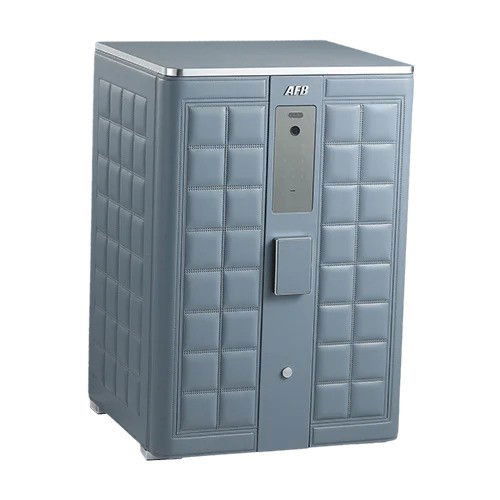
A safe is more than just a metal container; it is a long-term investment in security, privacy, and peace of mind. Whether you rely on a compact home safe box for daily protection or a larger vault for storing significant valuables, proper maintenance is crucial to ensure long lasting performance. Safes are designed to withstand theft attempts, fire exposure, and long periods of inactivity, but even the strongest safe requires consistent care. Neglecting maintenance can lead to lock failures, corrosion, difficulty in opening, electronic malfunctions, and ultimately, compromised protection. Ensuring your safe remains in optimal condition involves understanding how it functions, recognising early warning signs, and adopting routine care practices that preserve both the exterior and interior components. Maintenance begins with understanding the environment where your safe is placed. Many homeowners position their home safe box in Singapore in wardrobes, dry storerooms, or concealed corners. While these spaces offer privacy, they may also trap humidity or restrict airflow, causing moisture accumulation. Over time, moisture can lead to rust on hinges, corrosion of internal components, or damage to stored items such as documents and jewellery. Regularly checking humidity levels around your safe and using moisture-absorbing products helps maintain a stable internal climate. Desiccant packs, dehumidifiers, or moisture-control pellets are inexpensive and effective methods to reduce humidity. In areas prone to high moisture, it is advisable to rotate moisture absorbers at least once every three months to prevent dampness. Cleaning the exterior of the safe is another essential step in long-term care. Dust, dirt, oils from hands, and airborne particles can accumulate on the surface, affecting both appearance and functionality. Wiping the exterior with a soft cloth lightly dampened with mild soap water keeps the safe looking clean without harming the finish. Avoid abrasive cleaners, metal polishes, and chemicals, as these can erode the protective coating. For safes with powder-coated finishes, gentle cleaning is especially important to prevent scratching. Pay particular attention to the locking area, as debris can settle around the keypad, dial, or f ingerprint reader. Keeping this region clean helps ensure accurate readings and smooth mechanical operation. The locking mechanism is the heart of any safe, and it requires dedicated care. Whether the safe uses a digital keypad, biometric scanner, or mechanical dial, regular function checks are essential. For electronic locks, replace the batteries on schedule instead of waiting for low battery warnings. Many safes with digital locks rely on stable battery power to maintain internal memory and responsive input. Weak batteries may cause the keypad to lag, misread entries, or fail entirely. Using high-quality alkaline batteries is recommended, and replacing them at least once a year ensures uninterrupted accessibility. It is also wise to keep a spare set of batteries in a separate location to prevent being locked out unexpectedly. For biometric safes, finger placement and sensor cleanliness affect performance. Dust or smudges on the scanner can reduce accuracy. Wiping the sensor gently with a microfiber cloth keeps it responsive. Registering multiple fingerprints — such as different fingers from each hand — provides redundancy if one finger is injured or dirty. Regularly testing all registered fingerprints helps you identify early signs of sensor wear or malfunction. Mechanical and key-based safes require a different approach. The internal lockwork should remain lubricated to avoid stiffness and ensure smooth rotation of dials or turning of keys. However, lubrication must be done correctly. Using oil-based lubricants can attract dust and cause gumming over time. Instead, manufacturers typically recommend graphite or dry based lubricants for mechanical components. Applying the recommended lubricant once a year or whenever resistance is noticed helps maintain optimal performance. If a safe becomes difficult to open, forcing the lock can cause irreversible damage, so addressing stiffness early is key. Become a member Hinges, bolts, and door mechanisms also require attention. While many safes have concealed or protected hinges to deter tampering, these areas can still collect debris or rust if not periodically cleaned. Gently brushing dust away and applying a safe-approved lubricant keeps the door opening smoothly. A poorly maintained hinge can cause misalignment, making the safe door difficult to close or compromising the seal. Strong seals are especially important for fire-resistant safes, as damaged or weakened seals reduce the safe’s ability to protect contents in extreme temperatures. The interior of the safe deserves equal care. Even though it is sealed from outside elements, items inside the safe box can deteriorate if not monitored. Paper documents, photos, currency, and jewellery are all sensitive to moisture and temperature changes. Rotating stored items periodically ensures that they do not settle into positions where they may warp or stick. Using organisers or protective pouches helps prevent scratches or damage, especially for delicate items. Vacuuming or wiping the interior lining occasionally prevents dust buildup. For safes with fabric or velvet linings, gentle cleaning techniques maintain the material’s integrity without causing fraying or discoloration. Another crucial aspect of safe maintenance is staying aware of warning signs. If the locking mechanism begins to behave inconsistently — such as failing to register keypad entries, rejecting correct fingerprints, or requiring extra force to lock or unlock — these are early indicators of wear. Unusual sounds when turning the handle or dial may signal internal friction or misalignment. A safe technician can inspect and remedy these issues before they escalate into full failures. Attempting to disassemble or repair the safe yourself is strongly discouraged, as improper adjustments can permanently damage the mechanism or void warranties. Fire-resistant safes require special attention because their construction includes insulating materials that can absorb moisture over time. This trapped moisture can eventually migrate into the interior if not regularly aired out. Opening the safe door for a few minutes every few weeks helps release moisture buildup. For long-term storage of important documents, using f ire-resistant document bags adds an extra layer of protection. In addition to routine care, periodic professional servicing enhances longevity. Certified locksmiths or safe technicians can evaluate the safe for internal wear, recalibrate components, reinforce bolts, and ensure all mechanisms meet original performance standards. Professional servicing every two to three years is often sufficient for residential safes, while heavy-use safes may require annual inspections. Maintaining proper records is another key aspect of safe ownership. Keep a log of battery changes, cleaning dates, and professional servicing. This helps track the safe’s condition and ensures that essential maintenance is never overlooked. Documentation also assists technicians in diagnosing issues quickly. Lastly, responsible use is essential to prolonging the lifespan of your safe. Overloading the safe or slamming the door can strain hinges and bolts. Storing liquids or corrosive materials inside the safe risks damaging surfaces or internal components. Following manufacturer guidelines regarding load limits, installation conditions, and operating instructions helps preserve structural integrity. In conclusion, a home safe box is only as reliable as the care it receives. With proper maintenance — ranging from environmental management and lock upkeep to interior care and regular inspections — you ensure that your safe performs at its best for years to come. By investing time in routine upkeep, you protect both your valuable possessions and the long term security that your safe is designed to provide. Visit us : ** censored link **

Baca lagi
Safe Maintenance & Care: How to Ensure Your Safe Keeps Performing Over Time — My AFb Safe
tApFluencer
undefined profile icon
Tulis jawapan

The SKC Grooming Ladder: Demystifying Class C, B, and A Certification and Why Class C is Your Passpo

The pet grooming industry is more than a hobbyist pursuit — it is a professional field that demands knowledge, skill, and adherence to standards. As the demand for quality grooming services grows, aspiring pet groomers Singapore face an important question: How do you advance from basic skills to professional recognition? The answer lies in understanding the SKC Grooming Ladder, a structured certification system designed to validate expertise, promote safety, and elevate industry standards. The SKC Grooming Ladder comprises three levels of certification: Class C, B, and A. Each level represents a distinct tier of proficiency and professional recognition. For newcomers, Class C serves as the essential starting point — a gateway that provides foundational knowledge, hands-on experience, and the credentials needed to enter the industry with confidence. This guide will demystify the SKC certification levels, explain their benefits, and illustrate why Class C certification is the critical first step for any aspiring pet groomer. 1.Understanding the SKC Grooming Ladder The SKC Grooming Ladder was designed to create a standardized pathway for pet groomers, ensuring that each practitioner meets consistent benchmarks for knowledge, safety, and technical skill. By following this ladder, groomers can systematically progress from basic competency to advanced expertise. The three certifications — Class C, B, and A — are structured to encourage continuous learning and skill refinement: Class C: Introductory certification for beginner groomers. Focuses on essential grooming knowledge, basic handling techniques, and safe practices. Class B: Intermediate certification emphasizing complex grooming techniques, breed-specific skills, and advanced safety protocols. Class A: Advanced certification for highly skilled professionals, focusing on expert grooming, salon management, and mentorship. Each level builds upon the previous, ensuring that pet groomers in Singapore gain not only technical skills but also professional credibility. 2.Class C Certification: The Gateway to the Profession For aspiring pet groomers, Class C certification is the first critical milestone. It establishes the foundational skills required to work confidently in the grooming industry. a.Core Competencies of Class C Class C certification focuses on the essential elements of grooming, including: Basic Anatomy and Behavior: Understanding canine and feline anatomy, coat types, and common behaviors to ensure safe handling. Grooming Fundamentals: Bathing, drying, brushing, nail trimming, and basic haircuts. These skills form the backbone of everyday grooming tasks. Health and Safety Practices: Recognizing signs of stress, injury, or illness in pets, and implementing proper sanitation and hygiene protocols. Customer Service Basics: Communicating effectively with pet owners, understanding client requirements, and managing expectations professionally. By mastering these competencies, Class C groomers gain the confidence to perform essential grooming tasks safely and efficiently. b.Practical Experience Hands-on experience is central to Class C certification. Trainees work under supervision in controlled environments, practicing grooming techniques on live animals. This practical exposure reinforces theoretical knowledge and ensures that groomers develop the dexterity and composure needed to handle real-world scenarios. 3.The Value of Class C Certification Class C certification is more than a formal qualification — it is a professional passport into the grooming industry. a.Credibility and Trust For clients, a groomer with Class C certification represents a verified standard of competence. Pet owners are more likely to trust certified professionals who demonstrate a commitment to learning and adherence to safety protocols. b.Employment Opportunities Many grooming salons and pet care establishments require or strongly prefer Class C certified groomers. Holding this certification enhances employability and opens doors to entry-level positions, apprenticeships, and mentorship programs. c.Foundation for Advancement Class C serves as the stepping stone for higher-level certifications. It provides the skills, experience, and confidence necessary to pursue Class B and eventually Class A, where advanced techniques and salon management skills are emphasized. d.Professional Confidence For groomers, certification validates skill and knowledge, reducing uncertainty when interacting with pets, clients, and colleagues. This professional confidence is essential for building a successful grooming career. 4.Class B Certification: Bridging Intermediate Skills Once a groomer has mastered the fundamentals through Class C, Class B certification introduces more advanced techniques and industry knowledge. Class B focuses on: Breed-Specific Grooming: Learning the unique grooming requirements of different dog and cat breeds. Complex Styling Techniques: Scissoring, shaping, and creative trims for professional presentation. Advanced Safety Protocols: Handling nervous or aggressive pets, managing salon hygiene at a higher standard. Problem Solving: Addressing common grooming challenges, including matting, skin conditions, and behavioral issues. Class B groomers are expected to demonstrate proficiency and consistency in their work, positioning them for greater responsibility and higher-paying roles within grooming establishments. 5.Class A Certification: Mastery and Leadership Class A represents the pinnacle of SKC certification, reserved for highly skilled professionals. At this level, groomers are not only experts in advanced techniques but also equipped with leadership and mentorship capabilities. Class A focuses on: Expert Grooming: Complex styling, precision trims, and advanced coat management. Salon Management: Staff supervision, workflow optimization, and client relationship management. Teaching and Mentorship: Training new groomers, promoting industry standards, and contributing to professional development initiatives. Achieving Class A certification establishes a groomer as an authority in the field, providing access to elite opportunities, specialized clientele, and potential business ownership. 6.Why Class C is the Essential First Step While Class B and A offer advanced skills, Class C is indispensable because it lays the groundwork for all future progression. Without a strong foundation, aspiring groomers may struggle to perform advanced techniques safely or consistently. a.Skill Foundation Class C ensures that groomers understand animal anatomy, behavior, and basic grooming procedures — skills that underpin every higher-level technique. b.Industry Recognition Many salons and training programs require Class C certification before accepting trainees for advanced courses, apprenticeships, or employment. c.Confidence and Professionalism Gaining Class C certification equips groomers with the practical experience and knowledge necessary to interact professionally with pets, clients, and colleagues. d. Career Pathway Class C marks the beginning of a clear career pathway, allowing groomers to set goals, track progress, and plan advancement to Class B and A levels systematically. 7.The Broader Impact of SKC Certification on the Industry The SKC Grooming Ladder is not just about individual achievement — it elevates the entire pet grooming industry. Certified pet groomers contribute to: Improved Animal Welfare: By adhering to recognized safety and hygiene standards. Professionalism: Raising public perception of grooming as a skilled, respected profession. Consistency: Standardizing skills across practitioners, ensuring that pets receive high-quality care regardless of the salon. Workforce Development: Creating structured career paths that encourage lifelong learning and retention in the industry. By pursuing Class C and beyond, groomers strengthen the credibility, reputation, and overall standards of the profession. 8.How to Get Started with Class C Certification Aspiring pet groomers can begin their journey by identifying accredited SKC training programs. Key steps include: Enrollment: Register for a Class C course with a recognized SKC training center. Training: Complete theoretical lessons covering anatomy, grooming fundamentals, and safety. Practical Experience: Participate in hands-on sessions under expert supervision. Assessment: Successfully demonstrate proficiency in core skills through practical and written evaluations. Certification: Receive Class C certification, marking official entry into the professional grooming industry. Following these steps ensures that new groomers begin their careers on a solid, credible foundation. 9.Conclusion: Class C as Your Passport to the Industry For anyone aspiring to become a professional pet groomer, Class C certification is more than a credential — it is a gateway to opportunity, knowledge, and professional credibility. By mastering essential skills, gaining practical experience, and earning formal recognition, groomers can enter the industry with confidence and clarity. From Class C, the path to Class B and A opens, offering higher skills, increased responsibility, and potential leadership opportunities. Beyond individual advancement, the SKC Grooming Ladder ensures that the entire pet grooming industry maintains high standards, promotes animal welfare, and fosters professional growth. In an industry where skill, safety, and trust are paramount, Class C certification serves as the passport that unlocks doors, sets career trajectories, and establishes a foundation for lifelong success. For aspiring groomers, investing time and effort in achieving Class C is not just a starting point — it is the strategic first step toward a rewarding, respected, and sustainable career. Visit our site : ** censored link **

Baca lagi
The SKC Grooming Ladder: Demystifying Class C, B, and A Certification and Why Class C is Your Passpo
tApFluencer
undefined profile icon
Tulis jawapan

Face Value Security: How Biometric Safes are Redefining Asset Protection in the Modern Smart Home —

Technology touches every aspect of our daily lives, from smart lighting to automated climate control, home security is no exception. Modern smart homes are increasingly integrating advanced security solutions to protect valuable assets, and among these, biometric safes are emerging as a game-changer. These safe leverage cutting-edge technology to combine convenience, speed, and unparalleled security, offering homeowners peace of mind in ways traditional locks cannot. This article delves into how biometric safes are transforming asset protection in contemporary smart homes, exploring their technology, benefits, practical applications, and why they are becoming an essential part of modern residential security. 1.Understanding Biometric Safes A biometric safe is a secure storage device that uses an individual’s unique biological characteristics — such as fingerprints, facial recognition, or iris scans — to grant access. Unlike traditional key or combination locks, biometric safes offer personalized entry, ensuring only authorized users can unlock the safe. a.How Biometric Technology Works Biometric safes rely on sensors and recognition algorithms to identify authorized users: Fingerprint Scanners: The most common type, these scanners map the unique ridges and patterns of a fingerprint. Facial Recognition: Uses cameras and AI algorithms to match facial features with pre registered profiles. Iris or Retina Scanners: Advanced safes use eye recognition for high-security applications. Once the biometric system identifies a match, the safe’s locking mechanism is released, providing fast and secure access. b.Integration with Smart Home Systems Modern biometric safes often integrate with smart home ecosystems, allowing for remote monitoring, notifications, and activity logs. Homeowners can receive alerts if someone attempts unauthorized access, check access history, and even link the safe to broader home automation routines. 2.Advantages of Biometric Safes Biometric safes offer several distinct advantages over traditional safes, making them highly attractive for modern homeowners. a.Enhanced Security The primary benefit is superior security. Biometric identifiers are extremely difficult to replicate, making unauthorized access nearly impossible. Unlike keys or PIN codes, which can be lost, stolen, or shared, biometric access is inherently personal and non-transferable. b.Convenience and Speed Biometric safes allow near-instant access. Users do not need to remember complex codes or carry keys. This speed is particularly valuable in emergencies, where quick access to cash, documents, or other valuables is critical. c.Multiple User Profiles Many biometric safes can store multiple fingerprints or facial profiles, allowing family members or trusted individuals to access the safe without compromising security. Advanced systems also allow temporary access codes for guests or service personnel, providing controlled access when needed. d.Audit Trails and Monitoring Integrated smart technology enables homeowners to track safe usage. Logs can record who accessed the safe and at what time, creating accountability and enhancing security oversight. 3.Practical Applications in the Modern Smart Home Biometric safes are versatile, catering to a variety of security needs within a smart home environment. a.Protecting Valuables The most common use is safeguarding cash, jewelry, and important documents. Unlike traditional safes, biometric safes combine physical robustness with advanced access control, ensuring assets are protected from both theft and unauthorized family access. b.Secure Storage of Digital Assets In the digital age, sensitive information often exists on devices such as external hard drives, USB drives, or even cryptocurrency hardware wallets. Biometric safes provide secure storage for these digital assets, protecting them from physical theft or tampering. c.Firearms and Dangerous Items For households that store firearms or other hazardous materials, biometric safes offer controlled access while ensuring compliance with safety regulations. Authorized users can access the contents quickly, while unauthorized individuals, including children, are effectively barred. d.Medicine and Prescription Storage Families with medications requiring secure storage benefit from biometric safes. These safes ensure only authorized users can access controlled substances, reducing risks of accidental ingestion or misuse. 4.Key Features to Look for in Biometric Safes Not all biometric safes are created equal. Modern smart homes demand safes that combine reliability, usability, and integration capabilities. a.Reliability of Biometric Sensors High-quality sensors ensure rapid and accurate recognition. Look for safes with multi f ingerprint support and anti-spoofing technology to prevent unauthorized access using forged biometric samples. b.Backup Access Methods Even the most advanced systems may encounter issues due to power failure or sensor malfunction. Reliable biometric safes include secondary access methods, such as mechanical keys, PIN codes, or emergency power ports, ensuring accessibility in all situations. c.Physical Security The locking mechanism and construction material of the safe should resist tampering, drilling, or forced entry. Reinforced steel construction, anti-pry doors, and solid locking bolts enhance physical security. d.Smart Home Integration Integration with home networks allows users to monitor activity remotely, receive alerts for unauthorized attempts, and control the safe through mobile applications or smart home hubs. Some safes even interface with security cameras to provide real-time visual confirmation of access events. e.Fire and Water Resistance Advanced safes are designed to protect contents not only from theft but also from environmental hazards. Fire-resistant and water-resistant models safeguard documents, electronics, and other sensitive items against natural disasters. 5.Biometric Safes vs. Traditional Safes While traditional safes remain popular for their simplicity and affordability, biometric safes offer distinct advantages in a modern context: Biometric safes combine the physical security of traditional safes with intelligent access control, making them particularly suitable for the connected home. 6.The Role of Biometric Safes in Modern Security Ecosystems In a smart home, security is multi-layered. Biometric safes play a critical role in this ecosystem by providing: Layered Protection: Serving as a secure repository for high-value items beyond standard door locks or surveillance systems. Emergency Readiness: Quick access in urgent situations, such as medical emergencies or f inancial needs. Data Security Integration: Protecting sensitive digital devices that interface with home networks, ensuring cyber-physical security convergence. Compliance Support: Helping homeowners manage safety and security obligations, especially for firearms, controlled substances, or business-related documents stored at home. By integrating with other smart home technologies, biometric safes enhance the overall security posture of a property. 7.Trends and Future Innovations Biometric safes continue to evolve alongside smart home technology: Artificial Intelligence: Future safes may learn access patterns, enhancing both convenience and security. Multi-Factor Authentication: Combining biometrics with PINs or mobile authentication for heightened protection. IoT Connectivity: Real-time alerts and remote control integrated with broader home automation systems. Compact and Stylish Designs: New models blend seamlessly with home interiors while maintaining robust security. As technology advances, biometric safes are likely to become standard components of high tech, security-conscious homes. 8.Practical Considerations for Homeowners Before investing in a biometric safe, homeowners should consider: Size and Capacity: Ensure the safe meets storage needs for valuables, documents, and digital devices. Installation Location: Place the safe in a discreet but accessible location, considering both security and convenience. Maintenance: Regular cleaning of sensors and periodic battery checks maintain reliability. User Training: Family members should be trained on access protocols and emergency backup methods. Thoughtful selection and setup ensure the biometric safe delivers maximum protection and usability. 9.Conclusion Biometric safes are redefining asset protection in the modern smart home by combining advanced technology, convenience, and robust security. Their ability to provide personalized access, rapid entry, audit trails, and integration with smart home ecosystems makes them a valuable investment for homeowners seeking both security and peace of mind. By protecting valuables, digital assets, medicines, and firearms, biometric safes in Singapore address the complex demands of contemporary residential life. They represent a significant step forward from traditional safes, offering a seamless blend of intelligence, reliability, and user-centric design. For homeowners committed to safeguarding their most important assets, integrating a safe with biometric technology is more than a security upgrade — it is a strategic move toward a smarter, safer, and more efficient home environment. Visit our sites : ** censored link **

Baca lagi
Face Value Security: How Biometric Safes are Redefining Asset Protection in the Modern Smart Home —
Ahli VIP
undefined profile icon
Tulis jawapan

The Perfect Mattress for Ultimate Comfort & Support in Singapore — My Digital lock

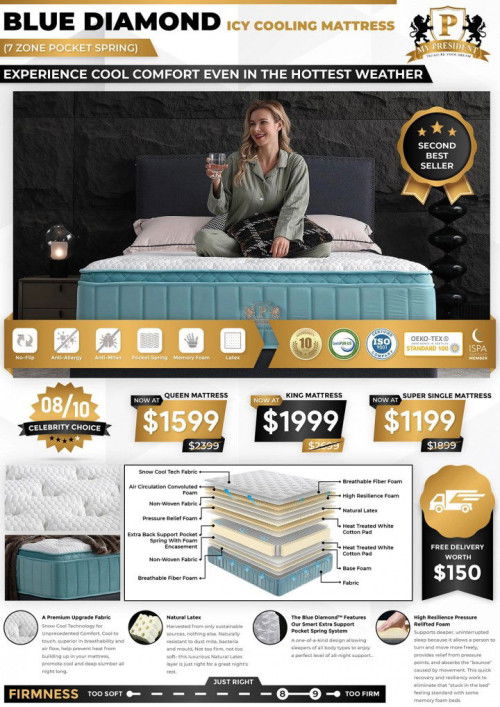
A good night’s sleep is essential for overall well-being, and the key to achieving that is choosing the right mattress. When searching for the perfect balance between comfort and support, it’s important to consider not just the softness but also the underlying structure that promotes spinal alignment. Our mattress is designed with the ideal blend of plush comfort and firm support, ensuring a restful sleep every night. If you’re looking to buy a mattress Singapore that offers the ultimate sleeping experience, here’s why ours stands out. Luxury Comfort at an Affordable Price Many believe that a high-quality mattress comes with a hefty price tag, but our brand proves otherwise. We offer premium mattresses that incorporate cutting-edge sleep technology without breaking the bank. The materials used in our mattresses are carefully selected to provide an ultra-soft feel while maintaining durability and longevity. This ensures that when you buy mattress Singapore from us, you’re investing in both comfort and value. Cloud-Like Softness with Tencel Knitted Fabric One of the defining features of our mattress is the luxurious Tencel Knitted Fabric. This premium fabric is known for its breathability and moisture-wicking properties, keeping you cool throughout the night. The smooth texture of Tencel enhances the plush feel, giving you a cloud-like softness every time you lie down. This ensures that you experience a gentle, soothing sensation that cradles your body while you sleep. Advanced Cloud-Like Soft Foam Technology Our mattress incorporates cloud-like soft foam, designed to provide a weightless sleeping experience. Unlike traditional foams that may feel too rigid or too mushy, our foam strikes the perfect balance, molding to your body shape while still offering the necessary support. This means that when you buy a mattress in Singapore from us, you get the softness you desire without compromising on spinal alignment. My Hope 5 Layers of Comfort Cushioning To further enhance the sleep experience, our mattress features the My Hope 5 Layers of Comfort Cushioning. Each layer serves a distinct purpose: Cooling Gel Layer — Regulates body temperature to prevent overheating. Responsive Memory Foam — Adapts to your body’s curves for pressure relief. High-Density Support Foam — Adds durability and prevents sagging. Soft Transition Layer — Enhances comfort and provides a smooth transition between layers. Breathable Base Layer — Ensures airflow and long-lasting support. These five layers work in harmony to create a sleeping surface that supports every inch of your body while maintaining an inviting softness. 5-Zone Individual Pocket Spring System for Ultimate Support A mattress should not only be soft but also offer proper support to prevent aches and pains. Our 5-Zone Individual Pocket Spring System is engineered to provide targeted support to different parts of your body. Unlike traditional mattresses with a uniform spring structure, our zoned system offers: Head & Neck Support — Maintains natural alignment for a pain-free wake-up. Shoulder & Upper Back Relief — Reduces pressure points to prevent stiffness. Lower Back & Hip Support — Reinforces spinal alignment for long-term comfort. Knee & Leg Cushioning — Enhances circulation and relaxation. Foot & Ankle Stability — Ensures balanced support from head to toe. With this innovative spring system, you can enjoy undisturbed sleep as each pocket spring operates independently, minimizing motion transfer. Whether you share your bed or sleep alone, you won’t feel any unnecessary disturbances. Choosing the Right Size: Queen, King, and Super Single We understand that everyone has unique sleeping needs, which is why we offer different mattress sizes: Queen Mattress — Perfect for couples or individuals who want extra space. King Mattress — The ultimate luxury choice for maximum comfort and space. Super Single Mattress — Ideal for solo sleepers who prefer a spacious yet compact option. No matter the size you choose, each mattress maintains the same superior quality and features. Why Buy a Mattress from Us? When you decide to buy a mattress Singapore, you’re not just purchasing a product — you’re investing in better sleep quality. Here’s why our mattress is the best choice: Scientifically Engineered for Comfort — Designed with sleep experts to provide optimal softness and support. Durability & Longevity — High-quality materials ensure years of comfortable sleep. Hypoallergenic & Eco-Friendly — Safe for sensitive skin and environmentally friendly. 100-Night Trial & Warranty — Sleep with confidence knowing you can test it risk-free. Finding the right balance between softness and support is crucial when choosing a mattress. With features like Tencel Knitted Fabric, cloud-like soft foam, My Hope 5 Layers of Comfort Cushioning, and a 5-Zone Individual Pocket Spring System, our mattress delivers the ultimate sleep experience. If you’re looking to buy a mattress that provides luxurious comfort without compromising support, our collection is the perfect choice. Invest in quality sleep today and wake up feeling refreshed every morning. Visit our site : https://www.mydigitallock.com.sg/

Baca lagi

The Perfect Mattress for Ultimate Comfort & Support in Singapore — My Digital lock
tApFluencer
undefined profile icon
Tulis jawapan

Specialist Dog Grooming Course: Enhancing Your Expertise for Man’s Best Friend -Pets Workshop

The demand for skilled dog groomers has grown exponentially. As pet owners become more attentive to their dogs’ health, hygiene, and appearance, the value of professional Dog Grooming Singapore has never been higher. Whether you’re an aspiring pet care specialist or an experienced groomer looking to refine your craft, enrolling in a specialist Dog Grooming course can significantly enhance your expertise and career prospects. This guide explores what a specialist Dog Grooming course entails, the skills you’ll gain, and how it can help you elevate your practice in caring for man’s best friend. Understanding the Need for Specialist Dog Grooming Courses Pet grooming is more than just maintaining a pet’s physical appearance; it’s an essential part of ensuring a dog’s health and well-being. Regular grooming can prevent infections, detect abnormalities, and contribute to a dog’s overall comfort. However, grooming different breeds requires an in-depth understanding of coat types, skin conditions, behavior patterns, and grooming tools. That’s where a specialist Pet Grooming services in Singapore comes into play. It is designed to go beyond basic training and provide groomers with the advanced skills and confidence to manage more complex grooming needs, cater to specific breed requirements, and handle dogs of all sizes and temperaments with professionalism and care. What to Expect from a Specialist Dog Grooming Course A well-rounded specialist course typically combines theoretical knowledge with hands-on practice. Here are some core elements covered: Breed-Specific Grooming Techniques Not all dogs are groomed the same. A specialist course will teach you how to tailor your approach based on breed, coat type, and grooming standards. You’ll learn the unique grooming needs of long-haired, short-haired, double-coated, and curly-coated breeds. 2. Advanced Grooming Tools and Equipment You’ll gain in-depth knowledge of various grooming tools, including advanced clippers, scissors, blades, brushes, and drying systems. The course teaches you how to use these tools safely and efficiently, helping to achieve professional-level results. 3. Canine Anatomy and Health Awareness Understanding canine anatomy is essential for safe grooming. Courses include lessons on a dog’s skeletal structure, skin and coat health, and how to identify potential issues like lumps, parasites, or infections during grooming. 4. Behavioral Management Handling nervous or aggressive dogs is a crucial part of the job. A specialist Dog Grooming Singapore course provides strategies for calming anxious pets, reading body language, and ensuring a stress-free grooming experience for both the groomer and the dog. 5. Creative Grooming Techniques Some courses offer modules on creative grooming, where you learn styling techniques, coat coloring (safe and pet-friendly), and how to apply finishing touches to make each dog look their best. 6. Business and Customer Service Skills If you’re planning to run your own grooming salon or mobile grooming service, courses often include training on customer communication, appointment scheduling, pricing strategies, and managing client expectations. Why Specialization Matters in Dog Grooming In an increasingly competitive industry, specialization sets you apart. It demonstrates a commitment to professionalism and assures pet owners that their beloved dogs are in capable hands. Here’s why taking a specialist Dog Grooming course is a smart move: — Confidence with Complex Cases You’ll be better prepared to groom elderly dogs, puppies, or those with skin sensitivities and other medical conditions. Knowing how to tailor your grooming approach to accommodate special needs is vital. — Enhanced Safety and Hygiene Practices A deep understanding of proper disinfection techniques, safe handling, and grooming hygiene can reduce the risk of infections or injuries. These protocols protect both the groomer and the pets. — Increased Career Opportunities Specialist training opens doors to employment in high-end grooming salons, veterinary clinics, pet hotels, and even TV or magazine work for dog shows and modeling. — Higher Earnings Potential Clients are willing to pay more for professional grooming done right. Your advanced certification can justify premium pricing and build trust in your services. Choosing the Right Specialist Dog Grooming Singapore Course When selecting a course, consider the following criteria to ensure it aligns with your goals: Accreditation: Choose a course certified by a reputable grooming association or education board. Curriculum Depth: Look for programs that cover a wide range of topics, including hands-on training with real dogs. Instructor Experience: Ensure your instructors have solid experience and a proven track record in advanced Dog Grooming in Singapore. Duration and Flexibility: Some courses are intensive and full-time, while others are part t ime or online. Select one that suits your schedule and learning pace. Post-Certification Support: Courses offering continued mentorship, job placement assistance, or access to alumni networks can be invaluable for your career. Day in the Life of a Specialist Dog Groomer As a certified specialist, your day may start with preparing your workstation, checking your schedule, and reviewing the grooming needs of each pet on the list. You might groom several breeds, each requiring different tools and techniques. Your skills will allow you to work efficiently while keeping the pet’s comfort and safety a top priority. Between appointments, you’ll clean and disinfect your tools, update client records, and consult with owners about grooming routines and aftercare. Every day brings new challenges, making the work exciting and rewarding. The Emotional Side of Grooming Grooming is an intimate process that strengthens the bond between dogs and humans. Many groomers speak of the joy they feel when transforming a scruffy pup into a clean, happy companion. Specialist training enhances this emotional connection by equipping you to handle pets with sensitivity, ensuring a positive experience for the dog. As a professional, you’ll also educate pet owners about the importance of regular grooming. You’ll be in a unique position to spot early health issues and recommend veterinary care if necessary — a responsibility that further elevates your role in the dog’s life. Grooming Trends and the Future of Dog Grooming The Dog Grooming Singapore industry is constantly evolving. Pet fashion, sustainable grooming products, mobile grooming services, and tech-based appointment systems are reshaping the profession. Specialist groomers who stay informed and adapt to these trends are well-positioned to succeed. The rise in pet ownership and the humanization of pets means the demand for high-quality grooming will continue to grow. By enrolling in a specialist course, you’re not just improving your skills — you’re future-proofing your career in a thriving industry. Final Thoughts A specialist Dog Grooming course is a powerful investment in your professional journey. It enables you to deliver exceptional care, stand out in the marketplace, and most importantly, improve the lives of dogs through your expert touch. Whether you dream of running your own salon, joining a high-end grooming team, or becoming an educator in the field, advanced training is the first step toward reaching your full potential. Dogs aren’t just pets; they’re family. By mastering the art and science of Dog Grooming Singapore, you become a trusted guardian of their health, happiness, and appearance — a true expert for man’s best friend. Visits us: https://www.thepetsworkshop.com.sg/

Baca lagi

Specialist Dog Grooming Course: Enhancing Your Expertise for Man’s Best Friend -Pets Workshop
tApFluencer
undefined profile icon
Tulis jawapan
Muat Lebih Banyak Siaran