
Understanding the Role of 30KW to 100KW Chargers in Mid-Range EVs-NEG Power
The global shift towards sustainable transport has propelled the electric vehicle Singapore (EV) market into rapid growth. While high-powered ultra-fast chargers above 150kW grab headlines for their ability to recharge premium EVs within minutes, a significant yet often overlooked segment is the 30kW to 100kW chargers. These chargers play an essential role in supporting mid-range EVs, balancing charging speed, infrastructure costs, and grid demands. In this article, we will explore why 30kW to 100kW chargers are vital for mid-range EV adoption, how they function, their ideal applications, and what EV owners, businesses, and fleet operators should know when planning their charging infrastructure. Mid-Range EVs: An Expanding Market Segment Mid-range EVs typically refer to electric vehicles with: Battery capacities between 35kWh to 60kWh Practical ranges of 200–400 km per charge Examples include models such as the Nissan Leaf e+, Hyundai Kona Electric, and Kia Niro EV. These vehicles are popular choices among families, small businesses, and fleet operators due to their balance of affordability, range, and comfort. For this segment, charging infrastructure must align with battery capacities and usage patterns to ensure convenience without unnecessary investment in ultra-high-capacity chargers. The Science Behind 30kW to 100kW Chargers 1. Power Ratings Explained The kW (kilowatt) rating of an Electric vehicle Charger Singapore indicates its maximum charging power output. A higher kW rating translates to faster charging times, depending on: The battery’s maximum input acceptance rate The state of charge (SOC) curve The vehicle’s onboard battery management system Mid-range EVs usually have maximum DC charging acceptance rates ranging between 50kW to 100kW. Thus, installing a 350kW charger for a vehicle that only accepts 70kW is economically inefficient. 2. Charging Speed for Mid-Range EVs Here is how long it generally takes to charge a 50kWh battery (typical of mid-range EVs) from 20% to 80% using various charger capacities: Charger Power Approximate Charge Time (20% to 80%) 30kW ~1 hour 50kW ~40 minutes 75kW ~25–30 minutes 100kW ~20–25 minutes For mid-range EV drivers, a 30kW to 100kW charger provides sufficient speed for practical top-ups without causing battery degradation risks associated with ultra-fast charging at maximum battery acceptance thresholds repeatedly. Benefits of 30kW to 100kW Chargers for Mid-Range EVs 1. Cost-Effective Infrastructure Deployment Installing ultra-fast chargers above 150kW requires: High-capacity grid connections Significant investment in transformer upgrades Cooling systems for charger hardware Conversely, 30kW to 100kW chargers can be installed at lower capital expenditure with simpler electrical upgrades, making them ideal for: Shopping centres Office buildings Mid-tier charging hubs Residential complexes with shared parking 2. Grid Stability Advantages Ultra-fast chargers place high peak demands on the grid, potentially requiring load management or battery energy storage systems to stabilise local power supply. 30kW to 100kW chargers distribute load more sustainably across locations, supporting widespread EV adoption without overloading infrastructure. 3. Battery Health Considerations Frequent ultra-fast charging can accelerate battery degradation, especially if the EV battery thermal management system is not designed for sustained high-power charging. Charging at moderate speeds within 30kW to 100kW ensures: Longer battery lifespan Reduced thermal stress Optimised State of Health (SOH) for resale and warranty confidence This is particularly important for fleet operators aiming to maximise total cost of ownership (TCO) savings. 4. Ideal for Fleet Turnover Cycles Many fleet EVs return to a base between trips. For instance: Delivery fleets: Return between morning and afternoon runs Taxi fleets: Rotate drivers between shifts Municipal vehicles: Return to depots overnight For these patterns, 30kW to 100kW chargers recharge mid-range EVs within operational schedules, ensuring continuous availability without requiring the expense of ultra-fast charging setups. 5. Encourages Destination Charging While ultra-fast chargers are vital on highways, 30kW to 100kW chargers encourage destination charging, allowing users to recharge while: Shopping Dining Attending meetings Staying overnight at hotels This model reduces queue anxiety at fast-charging hubs and integrates seamlessly with existing commercial infrastructure. Use Cases for 30kW to 100kW Chargers 1. Commercial Parking Facilities Shopping malls and business complexes benefit from installing 30kW to 100kW chargers, as customers often spend 30 minutes to 2 hours onsite. This ensures significant range recovery without disrupting grid stability or requiring oversized electrical infrastructure. 2. Highway Rest Stops with Mixed Vehicle Profiles In regions with more mid-range EVs than premium EVs, highway rest stops can install multiple 50kW to 100kW chargers instead of a single ultra-fast charger. This increases simultaneous charging capacity and reduces queue times, optimising infrastructure utilisation. 3. EV Fleet Depots Fleet operators, such as delivery companies or municipal services, can install rows of 30kW to 75kW chargers to recharge multiple vehicles overnight or between shifts efficiently and cost-effectively. 4. Residential Complexes with Shared EV Parking For apartment developments integrating EV charging, 30kW DC chargers provide a faster alternative to standard AC chargers without exceeding electrical capacity limitations of the building. Choosing the Right Charger for Your Mid-Range EV Needs When selecting an Electric vehicle Charger in Singapore in the 30kW to 100kW range, consider: Vehicle Compatibility: Check your EV’s maximum DC charging acceptance rate to avoid overinvesting in chargers your vehicle cannot utilise fully. Futureproofing: While your current EV may accept only 50kW, future upgrades might support higher charging rates, so selecting a scalable charger within the 100kW range could be strategic. Site Electrical Capacity: Consult with your EV Charger in Singapore installer to ensure existing electrical infrastructure can support the chosen charger without extensive upgrades. User Patterns: Analyse driver behaviour and parking dwell times to select appropriate charger capacities that maximise user satisfaction and utilisation rates. Challenges and Considerations While 30kW to 100kW chargers are highly practical for mid-range EVs, businesses and municipalities should consider: Charger Utilisation Rates: Ensure sufficient demand to justify installation costs. Maintenance Plans: Regular servicing is essential to ensure reliability and user confidence. Software Integration: Smart charging features, payment systems, and remote diagnostics improve operational efficiency and user experience. Future Outlook: Role in EV Ecosystem As EV adoption increases globally, 30kW to 100kW chargers will continue to play a crucial bridging role between slow AC destination chargers and ultra-fast highway chargers. They provide a scalable, cost-effective charging solution that: Supports the majority of mid-range EV models Reduces peak load impact on electrical grids Enhances charging accessibility in urban and regional areas With continuous improvements in charging technology and battery acceptance rates, these chargers will remain integral to a balanced, resilient EV charging ecosystem. Conclusion While premium EVs and ultra-fast chargers attract attention in the industry, 30kW to 100kW chargers remain the backbone supporting mid-range EV users who form the largest and fastest-growing market segment. These chargers provide optimal balance — fast enough for practical use, cost-effective for installation, and gentle on battery health. Understanding the role of these chargers helps EV owners, fleet managers, and infrastructure planners make informed decisions about charger selection, site planning, and futureproofing investments. As you plan your charging strategy, partnering with an experienced Electric vehicle Charger Singapore installer will ensure your infrastructure delivers reliable, efficient, and sustainable charging to empower the mid-range EV revolution. Visits us : https://www.negpower.sg/
Read more

Branding Brilliance: The Strength of Combination Logos — Logo Design Singapore
For building a strong brand identity versatile and memorable logo is essential. Among the various types of logos, combination mark logo design stands out for its flexibility and effectiveness. This design combines text and imagery, creating a harmonious blend that conveys a brand’s message with clarity and creativity. Whether you’re a business owner or a logo designer, understanding the advantages of combination mark logos can elevate your branding strategy. What is a Combination Mark Logo? A combination mark integrates a visual symbol or icon with the brand’s name, tagline, or initials. Think of iconic logos where the text and graphic elements work in unison to create a cohesive and recognizable identity. This approach allows brands to use either the text or icon independently, depending on the application, making it a versatile choice for various platforms. Why Choose Combination Mark Logos? Versatility: Combination mark logos are adaptable across different mediums, from digital platforms to print materials. The dual elements can be used together or separately, ensuring consistent branding in all contexts. Memorability: A well-designed combination mark makes your brand easier to recognize and remember. The visual element catches the eye, while the text reinforces the brand name. Professionalism: Businesses that invest in a combination mark signal professionalism and attention to detail. Collaborating with an experienced logo designer in Singapore, ensures the elements are balanced and impactful. How Freelance Logo Designers Excel in Crafting Combination Marks A skilled logo designer brings a fresh perspective and personalized approach to crafting combination mark logos. These professionals often work closely with clients to understand their brand’s values and target audience, resulting in unique and tailored designs. Freelancers can also offer cost-effective solutions without compromising quality, making them a go-to choice for startups and small businesses. Combination mark logo design is a powerful tool for versatile branding. By blending the best aspects of text and imagery, businesses can create a logo that’s not only visually appealing but also adaptable to various uses. For a standout design, partnering with a talented logo designer can make all the difference in building a lasting brand identity. Visit us: https://www.logodesignsingapore.sg/ #logo_designer
Read moreMascot Logos: Enhancing Brand Identity and Engagement — Logo Design Singapore
A logo is the face of a company, representing its values, mission, and identity in a single visual. Among the various types of logo design, mascot logos stand out for their ability to create a deep emotional connection with audiences. Whether it’s a playful cartoon character or a fierce animal representation, mascot logos help businesses build strong, recognizable, and engaging brand identities. In this article, we’ll explore the significance of mascot logos in business logo design, their advantages, and how businesses can effectively use them to enhance brand identity. What Is a Mascot Logo? A mascot logo features a character, symbol, or figure that represents a brand. This character can be human-like, animal-based, or even an abstract creation, designed to embody the essence of a business. Unlike minimalist or text-based logos, mascot logos add personality, making brands more relatable and approachable. These mascots not only serve as branding tools but also help businesses establish a long-term emotional connection with their audience. The Role of Mascot Logos in Company Logo Design Mascot logo designs play a crucial role in logo design by creating a lasting impression on customers. They serve as brand ambassadors, appearing on packaging, advertisements, and marketing materials. Unlike generic symbols, mascots bring a brand to life, making it more engaging and memorable. 1.Humanizing the Brand People connect more easily with characters than with abstract designs. A well-designed mascot logo gives your brand a friendly and approachable identity. Whether your business targets children, sports fans, or corporate clients, a mascot can be tailored to match your brand’s voice and values. 2. Enhancing Brand Recall Consumers remember visuals better than text. A distinctive mascot helps your brand stand out in a crowded marketplace. When people see the mascot, they instantly associate it with your products or services, leading to better brand retention and recall. 3. Strengthening Customer Engagement Mascots create an interactive experience. They can be animated for advertisements, used in social media campaigns, or even appear as physical costumes at events. This level of engagement builds stronger customer relationships and fosters brand loyalty. 4. Flexibility in Marketing and Merchandising A mascot logo design can be easily adapted across various marketing materials. From digital media to product packaging, a mascot can be designed to fit different formats while maintaining brand consistency. Companies can even create merchandise like plush toys, keychains, or clothing featuring their mascot, adding additional revenue streams. Designing an Effective Mascot Logo Creating a successful mascot logo requires careful planning and execution. Here are some key factors to consider in company logo design when incorporating a mascot: 1.Define Your Brand’s Personality Before designing a mascot, understand your brand’s personality. Is your company fun and playful, or serious and professional? Your mascot should reflect your brand’s tone and values. For example, a tech company might opt for a futuristic robotic mascot, while a kids’ brand may choose a cheerful animal character. 2. Choose the Right Character Selecting the right type of character is essential. Common mascot categories include: Animals — Symbolizing strength, agility, or friendliness. Humans — Providing a personal touch. Creatures/Objects — Adding uniqueness. The choice depends on the message your brand wants to convey. 3. Focus on Simplicity and Versatility An effective mascot logo should be simple enough to be recognizable at any size, from business cards to billboards. Complex designs can be difficult to reproduce across different mediums. Opt for clear lines, distinct colors, and minimal details to ensure consistency. 4. Use Colors That Align with Brand Identity Colors play a significant role in logo design. Choose a color palette that represents your brand’s emotions and industry. For example, blue conveys trust, red signifies energy, and green represents eco-friendliness. 5. Ensure Scalability and Adaptability Your mascot logo should be adaptable for various marketing channels. It should work in black and white, grayscale, and full color. Test its scalability to ensure clarity when resized for digital platforms, print materials, and promotional products. Best Practices for Using Mascot Logos in Branding Once you have a well-designed mascot logo design, here’s how you can effectively integrate it into your branding strategy: 1.Consistent Branding Use the mascot across all branding elements, including websites, social media, advertisements, and product packaging. Consistency helps reinforce brand identity and increases recognition. 2. Create Engaging Content Leverage your mascot in storytelling and marketing campaigns. Animated videos, social media GIFs, and interactive content featuring the mascot can boost engagement and customer interest. 3. Use Mascots in Customer Service and Promotions Many companies use mascots in customer interactions. Whether it’s a chatbot avatar, a virtual assistant, or a physical presence at events, mascots can make interactions more enjoyable and brand-focused. 4. Merchandise and Licensing Opportunities Mascot logos provide an opportunity to create branded merchandise. If your mascot becomes popular, selling character-themed products can generate additional revenue while strengthening brand visibility. Conclusion Mascot logos are a powerful tool in logo design services, offering a unique way to build stronger brand identities. By humanizing a brand, enhancing recall, and fostering customer engagement, mascots play a crucial role in marketing strategies. Businesses looking to establish a long-lasting and memorable brand presence should consider incorporating a well-designed mascot logo into their branding efforts. When done right, a mascot logo design can transform a company into an iconic brand, making it instantly recognizable and deeply connected with its audience. Whether you’re a startup or an established business, investing in a compelling mascot logo can be a game changer for your brand identity and customer loyalty. Pop over here : https://www.logodesignsingapore.sg/
Read more

Liquid Cooling in DC Chargers: Why It Matters for High Power Charging-NEG Power
The widespread adoption of electric vehicles (EVs) hinges on the development of a robust and efficient charging infrastructure. While Level 2 AC chargers suffice for overnight home charging, the true enabler of long-distance EV travel and rapid urban replenishment is the DC fast charger. These powerful units deliver significant amounts of electricity directly to an EV’s battery, drastically reducing charging times. However, pushing such high power through an electric car charger Singapore generates immense heat, posing a critical engineering challenge. This is where liquid cooling emerges as a game-changer, becoming an increasingly vital technology for the next generation of high-powered DC fast charging solutions. The Rise of DC Fast Chargers and Their Thermal Demands Traditional AC chargers convert grid electricity to AC, which is then converted to DC by the car’s onboard charger. DC fast chargers, in contrast, perform the AC-to-DC conversion within the charging station itself, delivering direct current straight to the vehicle’s battery. This bypasses the limitations of the onboard charger, enabling significantly higher power delivery and, consequently, much faster charging speeds. Typical DC fast chargers today offer power outputs ranging from 50 kW to 350 kW, with even higher power outputs, potentially reaching megawatt levels (1000 kW), on the horizon. A 350 kW charger can add hundreds of kilometres of range in just 15–20 minutes, making EV travel comparable to refuelling a conventional vehicle. This rapid transfer of energy, however, comes at a cost: heat. The power electronics within the DC fast charger (such as rectifiers, inverters, and power modules), as well as the charging cables and connectors, generate substantial waste heat due to electrical resistance when handling such high currents. Without effective thermal management, this heat can lead to: Reduced Efficiency: Overheated components become less efficient, meaning more energy is wasted as heat rather than delivered to the car. Slower Charging Speeds: To prevent damage, the charger’s power output may be automatically throttled back when temperatures rise, extending charging times. Component Degradation and Reduced Lifespan: Prolonged exposure to high temperatures accelerates wear and tear on sensitive electronic components, shortening the charger’s operational life and increasing maintenance costs. Safety Risks: Extreme overheating can pose safety hazards, including the risk of fire or damage to both the charger and the vehicle. Larger Footprint and Noise: Inefficient cooling often requires larger heat sinks and more powerful fans, leading to bulkier, noisier charging stations. The Limitations of Air Cooling in High-Power Charging For lower-powered DC chargers (e.g., 50 kW to 100 kW), air cooling systems have traditionally been sufficient. These systems rely on fans to circulate ambient air over heat sinks and through the charger’s internal components, dissipating the generated heat. While cost-effective and relatively simple, air cooling faces significant limitations as power levels climb: Limited Heat Transfer Capacity: Air has a much lower heat capacity than liquid. As power output increases, the volume of air required for effective cooling becomes impractically large. Size and Noise: To dissipate more heat, larger fans and wider air channels are needed, making the charger bulky and significantly increasing noise levels, which can be disruptive in urban or residential areas. Environmental Susceptibility: Air-cooled systems are open to the environment, making them vulnerable to dust, humidity, salt spray, and other contaminants. This can lead to corrosion, component fouling, and increased maintenance requirements. Cable Thickness: With air-cooled cables, to handle high currents without excessive heating, the copper wires must be very thick. This makes the charging cables stiff, heavy, and cumbersome for users, impacting the charging experience. Maintenance Overhead: Fans require regular cleaning and occasional replacement, adding to the operational costs and downtime of the electric car charger in Singapore. These limitations have paved the way for liquid cooling as the superior solution for highpower DC fast charging. Liquid Cooling in DC Chargers: Why It Matters Liquid cooling systems in DC fast chargers employ a coolant (typically a mixture of deionized water and glycol) circulated through a closed loop to absorb and dissipate heat much more effectively than air. This “active” cooling system allows for significantly higher power densities, enabling compact designs, quieter operation, and enhanced reliability. How Liquid Cooling Works in DC Fast Chargers: Heat Absorption at Source: The coolant circulates directly through or very close to the primary heat-generating components within the charger, such as the power modules (which contain IGBTs or SiC MOSFETs) and even the charging cables and connectors. Efficient Heat Transfer: As the coolant flows, it absorbs heat from these components. Liquids have a much higher thermal conductivity and heat capacity than air, meaning they can absorb more heat in a smaller volume and transfer it away quickly. Circulation: An electronic pump drives the heated coolant away from the components and towards a radiator (heat exchanger). Heat Dissipation to Ambient Air: At the radiator, the heat from the coolant is transferred to the ambient air, often with the assistance of external fans. The now-cooled liquid is then recirculated back into the system to continue the cooling cycle. Liquid-Cooled Cables: A critical innovation is the integration of liquid cooling directly into the charging cables. Instead of relying solely on thicker copper wires, channels carrying the coolant run through the cable itself. This allows for significantly thinner, lighter, and more flexible cables that can still handle very high currents without overheating. This dramatically improves the user experience by making the charging gun easier to handle. Why Liquid Cooling Matters for High-Power Charging: Enables Higher Power Density: Liquid cooling allows manufacturers to pack more power into a smaller physical footprint. This is crucial for urban installations where space is often limited and for future proofing the electric car charger Singapore infrastructure. Facilitates Ultra-Fast Charging (350 kW+): Without liquid cooling, delivering 350 kW or more consistently would be extremely challenging due to thermal limitations. Liquid cooling is the enabling technology for the next generation of ultra-fast chargers. Extended Equipment Lifespan and Reliability: By maintaining optimal operating temperatures for critical components, liquid cooling significantly reduces thermal stress, leading to a longer operational lifespan for the charger and higher reliability. This translates to less downtime and lower total cost of ownership over the charger’s lifetime. Improved Efficiency: Keeping components cool ensures they operate at their peak efficiency, minimizing energy losses and maximizing the power delivered to the EV. Reduced Noise Levels: As the primary heat dissipation occurs through the liquid loop and then to a single or a few external fans on the radiator, liquid-cooled chargers are generally much quieter than their air-cooled counterparts, enhancing the user experience, especially in noise-sensitive locations. Enhanced Durability and Environmental Robustness: Liquid cooling systems are often fully sealed, protecting sensitive internal electronics from dust, moisture, and corrosive elements present in the external environment. This makes them highly suitable for outdoor installations in diverse climates. Lighter and More Flexible Cables: The ability to use thinner conductors in liquid-cooled cables drastically reduces their weight and improves flexibility. This makes connecting the electric car charger Singapore to the vehicle far easier and more comfortable for the user, especially for high-power sessions where thick, stiff cables would be unwieldy. Future-Proofing: As EV battery technology advances and vehicles become capable of accepting even higher charging rates, liquid cooling provides the necessary thermal headroom to accommodate these future demands. The Future of High-Power Charging The trend towards higher power outputs in DC fast chargers is undeniable. As EV battery capacities increase and drivers demand even quicker charging times, the importance of efficient thermal management will only grow. Liquid cooling is no longer a niche solution; it’s becoming the industry standard for any high-powered electric car charger installation. In India, where EV adoption is rapidly accelerating and the need for robust public charging infrastructure is paramount, the deployment of liquid-cooled DC fast chargers will be crucial. These chargers can withstand the country’s diverse and often challenging climate conditions while delivering the rapid charging speeds necessary to alleviate range anxiety and support the burgeoning EV market. The move towards liquid cooling represents a pivotal step in making EV charging as convenient, reliable, and ubiquitous as conventional fuelling. Visits us : https://www.negpower.sg/
Read more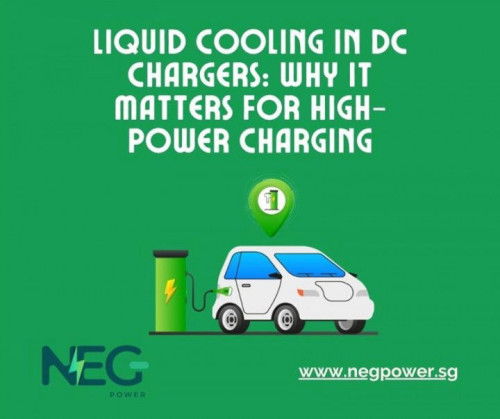

Beyond Security: How Precision Engineering, Fine Craftsmanship, and Extraordinary Design Elevate the
A safe deposit box Singapore is no longer a mere steel container hidden in a vault. Modern customers expect their security products to blend seamlessly with their lifestyle, interiors, and aesthetic sensibilities. This evolution has led to an era where precision engineering, fine craftsmanship, extraordinary design, and exceptional sales and service redefine what a safe deposit box stands for. Let’s explore how these elements come together to create products that are not only functional but also a testament to innovation and elegance. Precision Engineering: The Backbone of Modern Security The first pillar of a truly advanced safe deposit box Singapore is precision engineering. At its core, precision engineering ensures that every component, hinge, lock mechanism, and weld is crafted to exact specifications, resulting in seamless operation, durability, and uncompromising security. 1. Micron-Level Manufacturing Tolerances Precision engineering ensures that the safe deposit box Singapore is built to withstand any forced entry attempts. Components are manufactured with micron-level tolerances to ensure: Perfect Lock Alignment: This prevents jamming, increases locking efficiency, and enhances user experience. Resistance to Drilling or Tampering: High precision leaves no vulnerable gaps. Smooth Mechanism Functioning: Even under repeated use, the mechanisms remain as good as new. 2. Advanced Locking Mechanisms Modern engineering enables integration of advanced locking systems such as: Biometric fingerprint recognition RFID access cards Digital PIN and knob combinations Emergency override systems These features operate with impeccable accuracy due to precision design, giving users the confidence that their valuables are protected by the most advanced security systems available. Fine Craftsmanship: Where Engineering Meets Art While engineering ensures performance, craftsmanship turns a safe deposit box Singapore into a luxury product. Fine craftsmanship involves attention to detail, aesthetic finishing, and the human touch that machines alone cannot provide. 1. Premium Materials Selection Craftsmanship begins with materials. Premium safe deposit boxes use: Thick, reinforced steel sheets for structural integrity Fine leather or velvet interiors for scratch-free storage Brushed metal finishes for an elegant look The selection and integration of these materials require skilled artisans who understand both the technical and visual aspects of the product. 2. Seamless Joints and Smooth Edges A beautifully crafted safe deposit box Singapore has seamless welds, smooth edges, and polished surfaces. These not only enhance aesthetic appeal but also ensure safety during usage, preventing accidental injuries. 3. Human-Centric Finishing Craftsmen pay attention to ergonomics by designing handles, knobs, and touch panels that feel natural and comfortable, improving usability while enhancing design sophistication. Extraordinary Design: Function Meets Style Gone are the days when safe deposit boxes Singapore were hidden away for their industrial appearance. Modern buyers look for extraordinary design that complements their interiors while ensuring security. 1. Designer Exterior Finishes Today’s designs include: Matte or high-gloss powder-coated finishes matching contemporary home aesthetics Luxury wooden panels or marble laminates for a premium appearance Minimalistic digital panels that integrate with smart home systems These design innovations ensure that a safe deposit box no longer feels out of place in a living room, walk-in wardrobe, or executive office suite. 2. Compact and Space-Saving Designs Extraordinary design is not just about looks; it is about intelligent space utilisation. Leading manufacturers create safes that: Maximise internal storage space with adjustable shelves Maintain compact external dimensions for easier installation Offer concealed mounting options for minimalist interior aesthetics 3. Intuitive User Interfaces Design extends to the user interface, incorporating: Responsive touch screens Illuminated keypads Guided voice or sound prompts Such features simplify daily use, reduce errors, and enhance customer satisfaction, particularly for elderly users or those with limited technology experience. Exceptional Sales and Service: The Complete Customer Experience Even the best-engineered and most beautifully crafted safe deposit box Singapore will fail in customer eyes if sales and after-sales service are lacking. Exceptional sales and service build trust, loyalty, and long-term relationships. 1. Consultative Sales Approach Modern brands adopt a consultative approach rather than push-based selling, where sales professionals: Understand customer security needs Evaluate installation environment constraints Recommend products best suited for the client’s lifestyle This creates a personalised experience, ensuring buyers feel understood and valued. 2. Professional Installation Services Exceptional service includes professional installation with: Site assessment for ideal placement Ensuring structural compatibility for bolting or mounting Educating customers on operating the safe deposit box Singapore effectively Professional installation minimises user errors, enhances safety, and optimises performance. 3. Long-Term After-Sales Support After-sales support is critical in security products. Leading brands offer: Comprehensive warranties covering manufacturing defects Periodic maintenance services to keep locking systems functioning smoothly 24/7 customer support to assist with troubleshooting or emergencies Such services demonstrate a commitment to customer peace of mind long after the purchase. Integrating All Elements: A Case of Harmonious Excellence When precision engineering, fine craftsmanship, extraordinary design, and exceptional service come together, they create a safe deposit box Singapore that transcends mere functionality. This integration offers: Unmatched Security: Advanced locks and structural integrity from precision engineering. Luxury Appeal: Aesthetic beauty from fine craftsmanship and extraordinary design. Effortless Ownership: Peace of mind through exceptional sales and service. This holistic approach redefines the traditional concept of security products, aligning with the aspirations of modern homeowners, executives, and businesses seeking products that reflect their personal and professional success. Future Trends in Safe Deposit Box Industry Looking ahead, the safe deposit box industry is evolving to incorporate: IoT Integration: Safe deposit boxes that connect with smart home systems for remote access and alerts. AI Security Monitoring: Systems that detect tampering or forced entry attempts and notify owners in real time. Sustainable Manufacturing: Use of recycled metals and eco-friendly coatings to align with global environmental goals. Customised Personalisation: Bespoke designs with engraved family crests or corporate logos to reflect owner identity. These trends further reinforce the importance of precision engineering, fine craftsmanship, and extraordinary design in future-ready products. Conclusion The modern safe deposit box Singapore is a marvel of engineering and design excellence. Precision engineering ensures fool-proof security and operational perfection. Fine craftsmanship transforms it into a luxury product that enhances your interiors. Extraordinary design merges aesthetics with functionality, making it a proud part of your living or working space. Exceptional sales and service complete the customer journey, building trust and satisfaction for years to come. Investing in a safe deposit box today is no longer a matter of mere security; it is a statement of your taste, lifestyle, and appreciation for products that blend technology, art, and human experience seamlessly. Choose a brand that embodies all these elements, ensuring that your valuables remain safe in a product that stands as a symbol of innovation and excellence. Visits us : https://myafbsafe.com.sg
Read more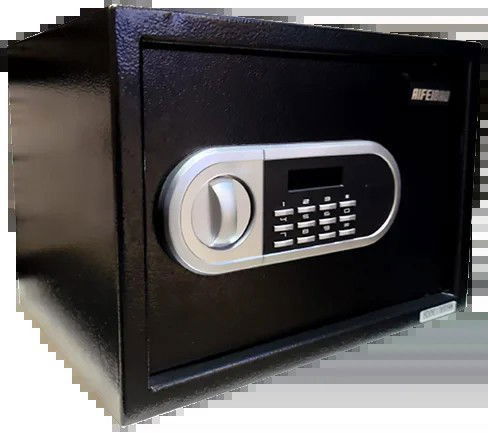
Essential Best Practices for Creating a User-Friendly and Navigable Website — Subraa
A user-friendly website is the cornerstone of any successful online presence. When visitors land on your site, their experience navigating it can determine whether they stay, explore further, or leave. An easily navigated website ensures a seamless journey, improving user satisfaction and boosting conversion rates. Here are some best practices for achieving an intuitive and user-friendly design: 1.Simple and Intuitive Navigation The primary goal of navigation design is to make it easy for users to find what they need quickly. A clear menu structure with concise labels is essential. Place the navigation bar at the top of the page or in a sidebar where it is easily accessible. A skilled web designer can ensure your menu is logical, eliminating unnecessary complexity. 2. Consistent Layout Consistency in layout and design helps users familiarize themselves with your website. Use a uniform color scheme, typography, and button styles across all pages. Consistent design minimizes confusion and creates a cohesive brand identity. 3. Search Functionality For content-heavy websites, a search bar is indispensable. It allows users to locate specific information instantly. Ensure the search functionality is prominently placed and delivers accurate results. 4. Mobile Responsiveness With a growing number of users browsing on mobile devices, responsive design is non negotiable. A user-friendly website should adapt seamlessly to various screen sizes. A professional web designer in Singapore can optimize your site for mobile users, ensuring all features function perfectly. 5. Clear Call-to-Action (CTA) Effective navigation includes guiding users toward key actions, such as signing up, purchasing, or contacting you. Strategically placed CTAs with clear instructions enhance usability and drive conversions. 6. Fast Loading Speed Slow websites frustrate users and lead to higher bounce rates. Compress images, minimize code, and optimize hosting to ensure fast loading times. An easily navigated website is a vital asset for retaining users and achieving business goals. By working with an experienced website designer Singapore, you can implement these best practices and create a site that meets your audience’s needs while enhancing your brand’s online presence. Pop over here : https://www.subraa.com/
Read more