





Scrolly telling for Real Estate: Turning New Launch Data into Visual Journeys-Logo Design Singapore
Digital marketing in real estate has evolved far beyond simple listings and static advertisements. Modern property buyers interact with information quickly and visually, especially in highly competitive markets where attention spans are short and decisions are influenced by how data is presented. Scrollytelling has emerged as a powerful technique that combines storytelling, design, and behavioral psychology to guide users through complex property information in a smooth narrative format. Instead of presenting isolated statistics or floor plans, the method organizes content into a flowing visual journey that encourages deeper engagement and higher conversion potential. For the modern web designer Singapore working with property professionals, this approach creates new opportunities to transform raw project data into meaningful experiences for buyers and investors alike. Scrollytelling works by aligning content with the natural movement of a user’s scroll. Each scroll reveals a new layer of information, guiding visitors step by step through a property narrative. This format reflects principles of behavioral science where gradual information delivery reduces cognitive overload and increases retention. Instead of forcing audiences to analyze dense property reports or static brochures, the story unfolds progressively, making the experience intuitive and engaging. For real estate agents, marketing teams, and developers, this method transforms technical data into persuasive communication. A thoughtful web designer can structure digital pages so every scroll naturally answers the next question a potential buyer might have while exploring a new launch project online. The psychology behind scrollytelling relies on curiosity and anticipation. When people scroll, they expect discovery. Each transition creates a small moment of reward that motivates them to continue exploring the page. In property marketing, this effect becomes extremely valuable because buyers must process large amounts of information before making decisions. Instead of overwhelming visitors with large blocks of property specifications, a strategic web designer structures the journey so information appears in meaningful stages. District insights, location advantages, lifestyle highlights, and development details gradually unfold across the scrolling experience. This progression mirrors the way people naturally explore new ideas, allowing complex real estate data to feel clear, organized, and digestible while maintaining strong emotional engagement throughout the entire browsing process. One of the most powerful aspects of scrollytelling in real estate marketing is the ability to transform raw development information into visual narratives. New launch projects often contain extensive data including floor plan structures, building layouts, lifestyle amenities, transport connectivity, and neighborhood demographics. When these details are placed inside static pages, they can feel overwhelming to potential buyers. However, a skilled web designer Singapore organizes these elements through layered scrolling sequences, allowing the audience to explore the project gradually. Each section introduces a different dimension of the development, helping viewers mentally visualize how the property fits into their lifestyle aspirations and investment considerations. Instead of simply reading information, users move through a narrative pathway that feels dynamic, informative, and engaging from beginning to end. Floor plan presentation becomes particularly effective when integrated into a scrollytelling framework. Traditional property websites often display plans as static images requiring viewers to interpret layouts independently. In contrast, a carefully designed narrative page can introduce spatial information gradually, guiding attention toward layout logic, room relationships, and functional flow. A creative web designer can highlight different sections of the plan as the viewer scrolls, helping them understand how living spaces connect naturally. This guided interpretation simplifies architectural complexity and allows buyers to imagine daily routines within the property. Such immersive storytelling supports stronger emotional responses because the audience begins to picture themselves living inside the space rather than simply studying technical drawings on a screen during their property research journey online. Neighborhood data is another area where scrollytelling dramatically improves user engagement. Real estate decisions are rarely based only on the building itself. Buyers carefully evaluate surrounding characteristics, infrastructure, connectivity, and lifestyle potential. However, large tables of statistics can quickly reduce attention levels. A strategic web designer can transform neighborhood insights into interactive scrolling visuals that reveal information step by step. As users move down the page, they encounter layers of local context including transport accessibility, urban growth patterns, nearby amenities, and lifestyle opportunities. Each section strengthens the perception of value without overwhelming the audience. This structured narrative approach aligns with behavioral psychology because people prefer stories over statistics. By guiding visitors through local insights visually, the property presentation becomes easier to understand and remember later during decision making stages. Another psychological advantage of scrollytelling lies in attention control. Traditional property websites allow visitors to jump randomly between pages, which often disrupts focus and weakens persuasion. A well structured scrolling journey guides the viewer through information in a carefully designed order. This sequence mirrors a sales conversation where each point prepares the audience for the next insight. Within digital real estate marketing, the web designer Singapore essentially becomes the architect of attention, deciding when visitors see project highlights, spatial details, lifestyle benefits, and investment considerations. By controlling the rhythm of information release, the experience remains focused and persuasive. Visitors are less likely to abandon the page because curiosity continues building with every scroll movement, keeping engagement levels high throughout the journey toward inquiry and contact decisions online. For property professionals operating in highly competitive markets, this storytelling approach offers significant strategic value. Agents and developers often compete in environments where many projects launch simultaneously and marketing messages can appear similar. A compelling scrolling narrative allows property information to stand apart visually while remaining informative. Instead of relying only on static advertisements, marketers can present development journeys that guide potential buyers from initial curiosity to serious interest. The role of the web designer becomes crucial in shaping this experience because layout structure, typography, motion, hierarchy, and pacing all influence how effectively the narrative communicates value. When these elements align with behavioral psychology, the website itself becomes a persuasive sales environment rather than just an information platform for property seekers exploring new launches online. Designing successful scrollytelling pages requires collaboration between marketers, strategists, and a skilled web designer who understands both visual storytelling and behavioral triggers. Content hierarchy must remain clear so visitors never feel lost during the journey. Smooth transitions, thoughtful spacing, and responsive design ensure the narrative flows naturally across different devices. At the same time, the information must remain credible because property decisions involve significant financial commitment. By combining psychology driven storytelling with structured property data, digital experiences become more persuasive, engaging, and memorable for buyers researching new developments in competitive urban markets. Ultimately, scrollytelling represents a shift from simple lead generation toward deeper behavioral influence. Instead of asking visitors to interpret complex property information independently, the digital experience guides them through a structured visual journey that builds clarity, interest, and confidence. For property marketers, this method creates powerful opportunities to present development insights in ways that feel intuitive, engaging, and persuasive. A talented web designer Singapore plays a central role in shaping this transformation, translating statistics, layouts, and neighborhood knowledge into compelling digital narratives. When executed well, scrollytelling turns property websites into immersive experiences that support stronger understanding, deeper engagement, and higher inquiry potential among serious property buyers exploring new launches online today. Visits us : https://www.logodesignsingapore.sg/
อ่านเพิ่มเติม
Facial Recognition vs. Biometrics: Is ‘The King Safe’ the Future of Home Security?-My AFB Safe
Home security technology has evolved dramatically over the past decade. Traditional locks, keys, and mechanical security systems are increasingly being replaced by intelligent access solutions designed to provide faster and more reliable protection. Among these innovations, biometric authentication has gained significant attention. Homeowners now expect security systems that not only protect valuables but also offer convenience and efficiency. Facial recognition technology is emerging as one of the most promising developments in this field. Devices such as the King Face Recognition Safe demonstrate how modern innovation can transform the way people store and protect their most valuable belongings, potentially redefining the concept of a home safe deposit box Singapore. Biometric security systems rely on unique human characteristics for authentication. Fingerprints, facial patterns, and iris scans all serve as biological identifiers that are difficult to duplicate. Traditional security systems depend on knowledge-based access, such as passwords or PIN codes, which can sometimes be forgotten, stolen, or guessed. Biometrics, on the other hand, link access directly to the user’s physical identity. This shift significantly improves both security and usability. A facial recognition safe combines advanced sensors, artificial intelligence, and secure data processing to verify identity almost instantly. Compared with the conventional safe deposit box model found in banks, these modern home solutions aim to provide similar protection while adding speed and accessibility. One of the most significant advantages of facial recognition technology is hands-free access. In real life situations, users often approach their safe while carrying documents, jewelry, or other valuables. Entering a PIN or scanning a fingerprint may require setting items down first. Facial recognition removes this inconvenience. By simply standing in front of the device, the system identifies the user and unlocks automatically within seconds. This feature can be especially useful during urgent situations when time matters. Instead of fumbling with codes or keys, the user can open the safe quickly and securely. In this way, the King Face Recognition Safe attempts to deliver the convenience of a personal safe deposit box Singapore without requiring complex interaction. Speed is another important factor that distinguishes facial recognition from traditional authentication methods. PIN-based systems require the user to remember and enter a sequence of numbers accurately. Fingerprint scanners require precise finger placement and can occasionally struggle if the finger is wet, dirty, or injured. Facial recognition technology relies on a broader set of features, analyzing facial structure, depth, and unique patterns. Because the scanning process happens automatically, the system can often authenticate a user faster than other methods. When compared with accessing a bank safe deposit box, which may involve identification checks and administrative procedures, facial recognition safes provide immediate access within the privacy of one’s home. Reliability is also a key element in evaluating biometric security. Modern facial recognition systems are built with advanced algorithms capable of distinguishing real faces from photos or digital images. Depth sensors and infrared scanning ensure that the system recognizes a live person rather than a static picture. These safeguards significantly reduce the chances of unauthorized access. Fingerprint systems remain reliable as well, but they depend on the clarity of the fingerprint surface and proper positioning. Facial recognition, by contrast, captures multiple data points simultaneously, which can improve overall accuracy. For homeowners seeking a secure alternative to a traditional safe deposit box, this technology provides both convenience and dependable identity verification. Another advantage of facial recognition safes lies in user experience. Remembering passwords or PIN numbers can be inconvenient, especially when security guidelines recommend frequent changes. Many people also worry about someone observing them entering a code. Facial recognition eliminates these concerns because the authentication process occurs automatically. The user simply approaches the safe and looks toward the sensor. This seamless interaction enhances daily usability and reduces friction. Compared with the formal procedures involved in visiting a bank safe deposit box Singapore, the process feels effortless while still maintaining a strong level of protection for personal valuables. Security technology must also address emergency situations. During stressful moments, such as sudden evacuations or urgent financial needs, quick access to important documents becomes essential. Facial recognition systems are designed to respond instantly without requiring deliberate input from the user. The ability to unlock a safe without touching any surface can be valuable when hands are occupied or when speed is critical. In such cases, the functionality resembles the accessibility of a personal safe deposit box located within the home environment, eliminating the need to travel to an external facility for urgent access. However, comparing facial recognition with fingerprint biometrics raises interesting questions. Fingerprint scanners have been widely used for years and remain a trusted form of authentication. They are compact, relatively inexpensive, and generally accurate. Many safes incorporate fingerprint recognition because it offers a balance between cost and security. Facial recognition technology, while advanced, requires additional hardware components such as cameras and depth sensors. This complexity can increase manufacturing costs. Yet many users consider the added convenience worthwhile. As security devices continue to evolve, manufacturers are exploring ways to integrate multiple authentication options into a single safe deposit box style device for maximum flexibility. Privacy is another factor often discussed in conversations about biometric security. Facial recognition systems must store encrypted facial data in order to identify authorized users. Reputable devices ensure that this information remains stored locally within the safe rather than being transmitted to external servers. Encryption and secure processing are critical to maintaining user trust. When implemented correctly, facial recognition technology can be just as secure as other biometric systems. In fact, the use of advanced encryption methods may make these devices comparable to the protection standards associated with a traditional safe deposit box used for storing valuable documents or assets. Durability and physical protection remain essential features of any security safe. Regardless of the authentication method, the safe itself must resist tampering, drilling, and forced entry. High-quality facial recognition safes are built with reinforced steel bodies, secure locking mechanisms, and anti-tamper alarms. These structural protections ensure that even if someone attempts to bypass the biometric system, the safe remains difficult to open without authorization. This combination of digital intelligence and physical strength helps position these products as a modern alternative to the classic safe deposit box concept that people have trusted for generations. Another interesting benefit of facial recognition safes is the potential for multi-user access. Many households require secure storage that multiple family members can access when needed. Facial recognition systems allow administrators to register several authorized faces, each with unique permissions if necessary. This flexibility eliminates the need to share PIN codes or duplicate keys. It also improves accountability because the system can record which user accessed the safe and when. Such features add a level of oversight that traditional home safes and even some safe deposit box Singapore arrangements cannot easily provide. Looking ahead, the future of home security may rely heavily on intelligent authentication systems. Artificial intelligence continues to improve the accuracy and adaptability of biometric recognition. Facial recognition technology may soon integrate with other smart home systems, allowing security devices to communicate with surveillance cameras, alarm systems, and mobile applications. This integration could create a comprehensive security network where access control, monitoring, and alerts operate together seamlessly. In such an environment, the facial recognition safe could become as essential to home protection as the safe deposit box has historically been to financial institutions. Ultimately, the debate between facial recognition and traditional biometrics is not about replacing one technology with another but about enhancing security through innovation. Each method offers distinct advantages, and many modern safes combine them to create layered protection. The King Face Recognition Safe illustrates how advanced authentication can simplify everyday interactions while maintaining a high level of safety. By offering hands-free access, rapid identification, and intelligent security features, this new generation of safes represents an important step forward. For homeowners seeking a modern alternative to the conventional safe deposit box Singapore, facial recognition technology may indeed represent the future of personal security. Visits us : https://myafbsafe.com.sg
อ่านเพิ่มเติม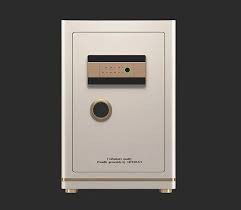
Exploria Opens At Mandai! Looking for your next family day out that actually impresses the teens? 👀 Exploria opens on 3 March 2026 at the Mandai Wildlife Reserve, bringing five immersive worlds under one roof. From towering dinosaurs and extreme habitats to glowing deep sea creatures and microscopic ecosystems, this 10,000 sqm indoor experience blends science, storytelling and interactive tech in a way that feels anything but ordinary. With RFID wristbands, kids and teens can create digital avatars, unlock hidden surprises and collect species badges as they explore. It is educational, immersive and yes, air conditioned. #theAsianParent #SingaporeParents #FamilyDayOutSG #ThingsToDoSG #Mandai #SGKids #TeenActivitiesSG #LearnThroughPlay #SGFamilyFun
อ่านเพิ่มเติมcereulide toxin in two more formula milk products
The Singapore Food Agency (SFA) has just expanded its recall list after detecting cereulide toxin in two more formula milk products, one for infants and another for toddlers over one year old. We know how worrying this is, especially since this toxin is heat-stable and can’t be killed by boiling water. If you’ve recently stocked up on these two formula milk products, please drop everything and check your batch numbers on the base of the tin! #theAsianparentSG #SGParents #SFASingapore #MilkFormula #ParentingHacks
อ่านเพิ่มเติม
The ‘No Hidden Costs’ Checklist: What to Look for When Comparing Safe Prices in Singapore-My AFB Saf
When shopping for a safe, the price tag you see online or in a showroom rarely tells the whole story. Many buyers focus on the upfront cost, assuming that two safes with similar prices offer similar value. In reality, the total expense can vary significantly once additional charges, installation requirements, and long-term considerations are included. That is why a “No Hidden Costs” checklist is essential when comparing options. Understanding what to evaluate ensures you are not surprised later and that the safe box you choose truly meets your security needs. 1. Base Price vs. Complete Package The first item on any checklist should be understanding exactly what the listed price includes. Some manufacturers advertise a low starting price but exclude essential components such as mounting hardware, interior shelving, or locking upgrades. Others may show the cost of a basic model while important features require additional fees. When comparing safes, confirm whether the quoted price includes the final configuration you need. Ask whether interior customization, fire insulation, or upgraded locks are already part of the package. A slightly higher upfront price can often represent better value if it includes features that competitors charge extra for. 2. Delivery Charges Safes are heavy and require careful transportation. Delivery costs can vary depending on weight, distance, and accessibility of your location. Some retailers include curbside delivery in the price, while others charge separately for it. Even when delivery is included, it may only cover the safe being dropped off outside your building. If you live in an apartment, have stairs, or need the safe placed in a specific room, additional handling fees may apply. Before making a purchase, ask exactly where the safe will be delivered and whether specialized equipment or additional staff will increase the cost. 3. Installation and Placement Installing a safe properly is critical for security. Many safes must be bolted to the floor or wall to prevent theft or tipping. However, installation is not always included in the advertised price. Professional installation services often involve drilling, anchoring, leveling, and testing the lock system. The cost may depend on the type of flooring or the complexity of the installation environment. For example, concrete anchoring may require different tools compared with wooden flooring. When evaluating a safe box Singapore, confirm whether installation is included or optional. Knowing this in advance allows you to calculate the true cost of ownership rather than just the product price. 4. Lock Type and Upgrades Locks are one of the most important security features of any safe. However, the type of lock included in the base price can vary. Mechanical combination locks, digital keypad locks, and biometric systems often have different price points. Some retailers display the price for the simplest lock option while more advanced locks require upgrades. While digital or biometric locks can offer convenience, they may increase the overall cost. It is important to compare safes with similar lock systems when evaluating prices to ensure the comparison is fair. 5. Fire and Security Ratings Another hidden cost factor involves certification levels. Safes designed for fire protection or high-security applications often carry independent ratings from testing organizations. These ratings confirm the safe’s ability to withstand heat, forced entry attempts, or environmental hazards. A lower-priced safe may not have verified testing or may offer only minimal protection. If you require a higher fire rating or burglary resistance, upgrading to a certified model could add to the total cost. However, this investment may be essential depending on what you plan to store. 6. Interior Features and Accessories Become a Medium member Interior organization is often overlooked during price comparisons. Adjustable shelves, drawers, lighting systems, and document compartments may not always be included. Some safes come with basic interiors that must be customized later with accessories. Adding these features individually can increase the total price. Before making a purchase, determine whether the safe includes the internal layout you need. This is particularly important if you plan to store documents, valuables, or specialized equipment. 7. Warranty and Service Support Warranty coverage is another factor that influences long-term value. Some safes come with limited warranties that only cover manufacturing defects for a short period. Others include extended coverage for locks, structural components, and fire protection. Additionally, check whether the manufacturer offers local service support. If the lock fails or the safe requires maintenance, repair costs may become significant if service technicians are not available in your area. Choosing a safe box Singapore with a strong warranty and accessible service network can reduce potential future expenses and provide greater peace of mind. 8. Maintenance and Battery Replacement Electronic and biometric locks may require periodic battery replacement. While the cost of batteries is relatively small, it is still important to understand the maintenance requirements of your safe. Some digital systems require specific battery types or regular testing to ensure proper operation. Over time, neglecting maintenance can lead to lockouts or malfunction. Understanding these small but recurring responsibilities helps you evaluate the overall convenience and cost of ownership. 9. Moving and Relocation Costs Another frequently overlooked expense is relocation. Safes are designed to be heavy for security reasons, which makes moving them challenging. If you plan to relocate in the future, moving the safe to a new home or office may require professional assistance. Depending on the safe’s weight and installation method, relocation costs can be significant. Considering this factor in advance helps you choose a model that balances security with practicality. 10. Insurance Considerations Some insurance companies offer reduced premiums or additional coverage when valuables are stored in certified safes. However, they may require specific security ratings or installation standards. If the safe you choose does not meet these requirements, you might miss out on potential insurance benefits. Checking these details in advance can influence your purchasing decision and potentially offset some costs over time. Making a Smart Comparison When comparing safe prices, the goal is not simply to find the lowest number on the label. Instead, the objective is to understand the full package and determine which option provides the best long-term value. By using a “No Hidden Costs” checklist, you can evaluate safes based on complete ownership costs rather than just the initial purchase price. Delivery, installation, lock systems, certifications, accessories, and service support all play important roles in determining the final investment. A well-chosen safe box protects your valuables, documents, and sensitive items for years to come. Taking the time to review every cost factor ensures that your purchase decision is informed, transparent, and free from unexpected surprises. Visits us : https://myafbsafe.com.sg
อ่านเพิ่มเติม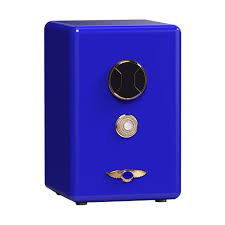
What Actually Happens in a Professional SKC Class C Grooming Course?-The Pets Workshop
A professional SKC Class C grooming course is designed to transform a beginner with interest in animals into someone who understands the discipline, structure, and responsibility behind professional grooming. While many people imagine grooming as simply bathing and trimming a pet, the reality inside a structured learning environment is far more comprehensive. A professional pet grooming course Singapore typically combines detailed theory, guided demonstrations, and extensive practical work so that students develop both knowledge and technical ability. The 60-lesson curriculum is carefully arranged to ensure that every stage of learning builds upon the previous one, allowing students to move from basic understanding to confident hands-on practice. The course usually begins with a strong theoretical foundation. Before students pick up grooming tools, they are introduced to the science behind animal care. Understanding anatomy is one of the earliest topics in the program. Students learn about skeletal structure, muscle groups, skin layers, and coat types. This knowledge is essential because grooming decisions must always consider the physical structure and comfort of the animal. In a professional pet grooming course, anatomy is not taught only as theory; it becomes a reference point for every grooming technique that follows. By understanding how a dog’s body is built, students learn how to position animals safely and avoid causing stress or discomfort. Behavior and temperament studies also play an important role in the theoretical portion of the curriculum. Groomers interact with animals that may feel anxious, excited, or unfamiliar with the grooming process. Lessons focus on recognizing behavioral signals, understanding body language, and responding calmly to different temperaments. Students are taught that patience and observation are just as important as technical skill. In many professional pet grooming course programs, behavior training appears repeatedly throughout the curriculum because handling animals safely requires constant awareness and adjustment. As students progress through the 60-lesson structure, theoretical learning begins to merge with practical demonstrations. Instructors introduce grooming tools and explain how each one functions. Clippers, scissors, combs, brushes, dryers, and safety equipment are examined in detail. Students learn how to maintain tools, how to choose the correct blade or attachment, and how to hold equipment properly. Even something that seems simple, like brushing a coat, is broken down into technique, direction, and pressure. A professional pet grooming course Singapore emphasizes that precision matters at every stage, from preparation to finishing touches. Once the foundational knowledge is established, practical sessions become more frequent. These sessions form a significant part of the learning experience. Students begin by observing instructors perform grooming routines step by step. Each movement is explained clearly so that learners understand not only what to do but why the technique is important. Watching experienced professionals work provides valuable insights into timing, posture, and workflow. In a professional pet grooming course, observation is considered an essential bridge between theory and independent practice. Hands-on experience gradually becomes the central focus of the program. Students start working directly with animals under supervision, applying the concepts they have learned in earlier lessons. The grooming process typically follows a structured sequence that includes coat preparation, bathing, drying, brushing, trimming, and finishing. Each stage teaches students how preparation influences the final result. For instance, proper bathing and drying can determine how easily a coat can be shaped later. Through repetition and feedback, students refine their technique and build confidence with each session. A professional SKC Class C grooming course is designed to transform a beginner with interest in animals into someone who understands the discipline, structure, and responsibility behind professional grooming. While many people imagine grooming as simply bathing and trimming a pet, the reality inside a structured learning environment is far more comprehensive. A professional pet grooming course Singapore typically combines detailed theory, guided demonstrations, and extensive practical work so that students develop both knowledge and technical ability. The 60-lesson curriculum is carefully arranged to ensure that every stage of learning builds upon the previous one, allowing students to move from basic understanding to confident hands-on practice. The course usually begins with a strong theoretical foundation. Before students pick up grooming tools, they are introduced to the science behind animal care. Understanding anatomy is one of the earliest topics in the program. Students learn about skeletal structure, muscle groups, skin layers, and coat types. This knowledge is essential because grooming decisions must always consider the physical structure and comfort of the animal. In a professional pet grooming course, anatomy is not taught only as theory; it becomes a reference point for every grooming technique that follows. By understanding how a dog’s body is built, students learn how to position animals safely and avoid causing stress or discomfort. Behavior and temperament studies also play an important role in the theoretical portion of the curriculum. Groomers interact with animals that may feel anxious, excited, or unfamiliar with the grooming process. Lessons focus on recognizing behavioral signals, understanding body language, and responding calmly to different temperaments. Students are taught that patience and observation are just as important as technical skill. In many professional pet grooming course programs, behavior training appears repeatedly throughout the curriculum because handling animals safely requires constant awareness and adjustment. As students progress through the 60-lesson structure, theoretical learning begins to merge with practical demonstrations. Instructors introduce grooming tools and explain how each one functions. Clippers, scissors, combs, brushes, dryers, and safety equipment are examined in detail. Students learn how to maintain tools, how to choose the correct blade or attachment, and how to hold equipment properly. Even something that seems simple, like brushing a coat, is broken down into technique, direction, and pressure. A professional pet grooming course Singapore emphasizes that precision matters at every stage, from preparation to finishing touches. Once the foundational knowledge is established, practical sessions become more frequent. These sessions form a significant part of the learning experience. Students begin by observing instructors perform grooming routines step by step. Each movement is explained clearly so that learners understand not only what to do but why the technique is important. Watching experienced professionals work provides valuable insights into timing, posture, and workflow. In a professional pet grooming course, observation is considered an essential bridge between theory and independent practice. Hands-on experience gradually becomes the central focus of the program. Students start working directly with animals under supervision, applying the concepts they have learned in earlier lessons. The grooming process typically follows a structured sequence that includes coat preparation, bathing, drying, brushing, trimming, and finishing. Each stage teaches students how preparation influences the final result. For instance, proper bathing and drying can determine how easily a coat can be shaped later. Through repetition and feedback, students refine their technique and build confidence with each session. Another key component of the curriculum is hygiene and safety. Grooming environments must maintain strict cleanliness to protect both animals and professionals. Lessons explain sanitation procedures, equipment cleaning methods, and workspace organization. Students also learn how to identify potential health concerns on the skin or coat of an animal. Although grooming is not a veterinary practice, awareness of basic health indicators helps groomers recognize when further professional care may be needed. A professional pet grooming course reinforces that responsible grooming includes maintaining safe, clean, and attentive working conditions. Throughout the 60 lessons, instructors emphasize consistency and discipline. Grooming requires careful attention to detail, and students are encouraged to develop steady routines. Practice sessions often focus on refining specific techniques repeatedly until they become natural. At least one portion of the training may concentrate on improving scissoring control and coat shaping, which requires patience and steady hand movements. At least another part of the course is dedicated to understanding coat textures and how different grooming approaches affect the final appearance. Students also learn about workflow and time management within a grooming session. Professional groomers must balance quality with efficiency while ensuring that animals remain comfortable throughout the process. Lessons discuss how to organize tasks logically so that grooming proceeds smoothly. At least one training segment often focuses on preparing the workspace and arranging tools before the grooming begins. This preparation helps prevent unnecessary interruptions and allows groomers to maintain focus on the animal. Communication and professionalism are also discussed as part of the curriculum. Groomers frequently interact with pet owners who rely on them to care for their animals responsibly. Students learn how to listen to client expectations, explain grooming processes, and maintain professional conduct. In a professional pet grooming course Singapore, these skills are introduced alongside technical training because they contribute to a successful grooming career. As students move toward the final stages of the program, practical sessions become more comprehensive. Learners begin managing complete grooming routines from start to finish while instructors observe and guide them. These sessions provide an opportunity to apply everything covered in previous lessons. At least four separate practical assessments may take place during the training period to evaluate progress, technique, and confidence. Each assessment helps students understand their strengths and identify areas for improvement. By the end of the 60-lesson journey, students have experienced a balanced combination of theoretical learning and practical application. They have studied anatomy and behavior, practiced equipment handling, and worked directly with animals under professional supervision. A professional pet grooming course structured in this way ensures that graduates are not only capable of performing grooming tasks but also understand the reasoning behind every step. Ultimately, the goal of a professional SKC Class C grooming course is to build well-rounded grooming professionals who approach their work with knowledge, patience, and responsibility. Through a carefully structured blend of theory and hands-on practice, students gain the confidence required to handle real grooming situations. What begins as curiosity about animal care gradually develops into practical skill and professional awareness. The behind-the-scenes structure of the 60-lesson curriculum reveals that grooming is not simply a routine task but a discipline that combines education, observation, and dedicated practice. Visits us : https://www.thepetsworkshop.com.sg/
อ่านเพิ่มเติม

How do you explain AI to a child?
AI can be defined as a computer program which is capable of performing a task which requires intelligence. This task is usually something which a human or an intelligent animal can accomplish, such as learning, planning, problem-solving, etc. Read more - https://computools.com/artificial-intelligence/
อ่านเพิ่มเติม