Best Packing Materials for Safe Storage in Singapore — Storkship
When it comes to storing valuable furniture and important documents, using the right packing materials is essential. Whether you’re placing items in short-term or long-term storage, protecting them from dust, moisture, pests, and physical damage should be a top priority. A well-planned packing strategy ensures that your belongings remain in pristine condition, regardless of the duration of storage. This article explores the various packing materials available, their effectiveness in safeguarding furniture and documents, and best practices for maximizing storage space in Singapore. Why Proper Packing Matters Storage facilities provide a secure environment for furniture and documents, but without the correct packing materials, items can be susceptible to damage. Common threats include: Moisture and Humidity: Can cause mold, mildew, and warping of wood furniture and paper documents. Pests: Rodents and insects can chew through packaging and damage the contents. Physical Damage: Scratches, dents, and tears can occur if items are not adequately protected. Dust and Dirt: Can accumulate over time, leading to deterioration of delicate materials. Temperature Fluctuations: Extreme temperatures can cause wooden furniture to crack and documents to become brittle. Using high-quality packing materials mitigates these risks, ensuring the longevity and preservation of stored items. Essential Packing Materials for Furniture Storage Furniture, whether made of wood, metal, or upholstery, requires careful handling before being placed in storage. Below are the best packing materials to use: 1.Moving Blankets and Furniture Pads Moving blankets provide a thick, cushioned layer that protects furniture from scratches and dents. These are ideal for: Wooden tables, chairs, and cabinets. Upholstered sofas and mattresses. Metal furniture to prevent rust formation. 2. Plastic Wrap (Stretch Film) Plastic wrap is essential for sealing furniture items and protecting them from dust and moisture. It works well for: Sofas and chairs to keep upholstery clean. Wooden furniture to prevent minor scratches. Bundling smaller parts of disassembled furniture. 3. Bubble Wrap For fragile or delicate furniture parts, bubble wrap provides an additional layer of protection. Use it for: Glass tabletops and mirrors. Decorative wooden carvings. Handles and knobs that might break during transit. 4. Corrugated Cardboard Sheets Cardboard sheets act as barriers against impacts and abrasions. They are useful for: Placing between furniture pieces to prevent direct contact. Wrapping around sharp edges. Lining storage space floors to prevent moisture absorption. 5. Furniture Covers Custom furniture covers are available for: Sofas and armchairs to keep dust and pests away. Mattresses to prevent moisture damage. Wooden tables to prevent surface scratches. Packing Materials for Document Storage Documents, whether business records, personal files, or valuable archives, require specialized protection. Paper is highly susceptible to environmental damage, making the right packing approach crucial. 1.Acid-Free Archival Boxes Unlike standard cardboard boxes, acid-free archival boxes prevent yellowing and deterioration. Use them for: Important legal and financial records. Historical documents. Photographs and certificates. 2. Waterproof Plastic Containers For maximum protection against water damage, opt for airtight plastic containers. These are ideal for: Long-term document storage. Sensitive files requiring extra protection. Storing in humid environments. 3. File Folders and Dividers To maintain organization and prevent paper curling, use: Hanging file folders for quick access. Dividers to separate different document types. Labeling systems to easily identify contents. 4. Silica Gel Packets Moisture-absorbing silica gel packets help control humidity levels inside storage boxes. Place them: Inside document storage containers. Within filing cabinets. Alongside books and paper files. 5. Laminated Pouches For extremely valuable documents, laminating provides an extra protective barrier. Use them for: Birth certificates and passports. Contracts and legal paperwork. Rare or sentimental letters. Maximizing Storage Space with Proper Packing Packing efficiently not only protects your items but also ensures that you make the best use of your available storage Singapore. Follow these guidelines to optimize your storage unit: 1.Disassemble Large Furniture Taking apart bulky furniture helps save space and prevents damage. Store furniture parts separately, ensuring: Screws and small hardware are packed in labeled zip-lock bags. Table legs and bed frames are wrapped in protective material. Larger parts are stacked upright against walls for stability. 2. Stack Strategically To maximize vertical storage space: Place heavier, sturdier items at the bottom. Stack lightweight boxes on top to avoid crushing fragile items. Use shelving units to keep smaller items organized and accessible. 3. Leave Aisles for Accessibility Create pathways within the storage Singapore to easily retrieve items without excessive rearranging. This is especially helpful for: Frequently accessed documents or seasonal furniture. Business inventory that requires periodic restocking. Keeping ventilation space for air circulation. 4. Use Vacuum-Sealed Bags for Soft Items For fabric-based furniture parts like cushions and linens, vacuum-sealed bags: Reduce bulk and free up space. Prevent moisture and mold growth. Make stacking and storing easier. 5. Label Everything Clearly Proper labeling saves time when retrieving items. Include: Box contents and handling instructions. Dates for document retention. Special care notes for fragile or temperature-sensitive items. Common Mistakes to Avoid in Storage Packing Singapore While packing for storage, some mistakes can lead to unnecessary damage. Be mindful of the following: Skipping Protective Layers: Avoid placing furniture or documents directly in storage without protective covering. Using Newspaper for Wrapping: Newspaper ink can transfer onto furniture surfaces and documents. Overstuffing Boxes: Overloading boxes can cause them to break or warp over time. Ignoring Climate Considerations: If storing for long periods, opt for climate-controlled storage space to prevent extreme temperature damage. Not Checking on Stored Items Regularly: Periodically inspect storage units Singapore for signs of damage, pests, or humidity issues. Packing materials play a crucial role in preserving furniture and documents in storage. From moisture-resistant plastic wraps to acid-free document boxes, selecting the right materials enhances protection and extends the lifespan of stored items. Additionally, efficient packing strategies help maximize storage Singapore, keeping units well-organized and accessible. Whether you’re storing valuable business records, sentimental personal documents, or high end furniture, investing in the right packing solutions ensures peace of mind. A well prepared storage approach prevents unnecessary damage and maintains your belongings in pristine condition, ready for future use. Visit our site :https://storkship.sg/
Read more

Best Packing Materials for Safe Storage in Singapore — Storkship
When it comes to storing valuable furniture and important documents, using the right packing materials is essential. Whether you’re placing items in short-term or long-term storage, protecting them from dust, moisture, pests, and physical damage should be a top priority. A well-planned packing strategy ensures that your belongings remain in pristine condition, regardless of the duration of storage. This article explores the various packing materials available, their effectiveness in safeguarding furniture and documents, and best practices for maximizing storage space in Singapore. Why Proper Packing Matters Storage facilities provide a secure environment for furniture and documents, but without the correct packing materials, items can be susceptible to damage. Common threats include: Moisture and Humidity: Can cause mold, mildew, and warping of wood furniture and paper documents. Pests: Rodents and insects can chew through packaging and damage the contents. Physical Damage: Scratches, dents, and tears can occur if items are not adequately protected. Dust and Dirt: Can accumulate over time, leading to deterioration of delicate materials. Temperature Fluctuations: Extreme temperatures can cause wooden furniture to crack and documents to become brittle. Using high-quality packing materials mitigates these risks, ensuring the longevity and preservation of stored items. Essential Packing Materials for Furniture Storage Furniture, whether made of wood, metal, or upholstery, requires careful handling before being placed in storage. Below are the best packing materials to use: 1.Moving Blankets and Furniture Pads Moving blankets provide a thick, cushioned layer that protects furniture from scratches and dents. These are ideal for: Wooden tables, chairs, and cabinets. Upholstered sofas and mattresses. Metal furniture to prevent rust formation. 2. Plastic Wrap (Stretch Film) Plastic wrap is essential for sealing furniture items and protecting them from dust and moisture. It works well for: Sofas and chairs to keep upholstery clean. Wooden furniture to prevent minor scratches. Bundling smaller parts of disassembled furniture. 3. Bubble Wrap For fragile or delicate furniture parts, bubble wrap provides an additional layer of protection. Use it for: Glass tabletops and mirrors. Decorative wooden carvings. Handles and knobs that might break during transit. 4. Corrugated Cardboard Sheets Cardboard sheets act as barriers against impacts and abrasions. They are useful for: Placing between furniture pieces to prevent direct contact. Wrapping around sharp edges. Lining storage space floors to prevent moisture absorption. 5. Furniture Covers Custom furniture covers are available for: Sofas and armchairs to keep dust and pests away. Mattresses to prevent moisture damage. Wooden tables to prevent surface scratches. Packing Materials for Document Storage Documents, whether business records, personal files, or valuable archives, require specialized protection. Paper is highly susceptible to environmental damage, making the right packing approach crucial. 1.Acid-Free Archival Boxes Unlike standard cardboard boxes, acid-free archival boxes prevent yellowing and deterioration. Use them for: Important legal and financial records. Historical documents. Photographs and certificates. 2. Waterproof Plastic Containers For maximum protection against water damage, opt for airtight plastic containers. These are ideal for: Long-term document storage. Sensitive files requiring extra protection. Storing in humid environments. 3. File Folders and Dividers To maintain organization and prevent paper curling, use: Hanging file folders for quick access. Dividers to separate different document types. Labeling systems to easily identify contents. 4. Silica Gel Packets Moisture-absorbing silica gel packets help control humidity levels inside storage boxes. Place them: Inside document storage containers. Within filing cabinets. Alongside books and paper files. 5. Laminated Pouches For extremely valuable documents, laminating provides an extra protective barrier. Use them for: Birth certificates and passports. Contracts and legal paperwork. Rare or sentimental letters. Maximizing Storage Space with Proper Packing Packing efficiently not only protects your items but also ensures that you make the best use of your available storage Singapore. Follow these guidelines to optimize your storage unit: 1.Disassemble Large Furniture Taking apart bulky furniture helps save space and prevents damage. Store furniture parts separately, ensuring: Screws and small hardware are packed in labeled zip-lock bags. Table legs and bed frames are wrapped in protective material. Larger parts are stacked upright against walls for stability. 2. Stack Strategically To maximize vertical storage space: Place heavier, sturdier items at the bottom. Stack lightweight boxes on top to avoid crushing fragile items. Use shelving units to keep smaller items organized and accessible. 3. Leave Aisles for Accessibility Create pathways within the storage Singapore to easily retrieve items without excessive rearranging. This is especially helpful for: Frequently accessed documents or seasonal furniture. Business inventory that requires periodic restocking. Keeping ventilation space for air circulation. 4. Use Vacuum-Sealed Bags for Soft Items For fabric-based furniture parts like cushions and linens, vacuum-sealed bags: Reduce bulk and free up space. Prevent moisture and mold growth. Make stacking and storing easier. 5. Label Everything Clearly Proper labeling saves time when retrieving items. Include: Box contents and handling instructions. Dates for document retention. Special care notes for fragile or temperature-sensitive items. Common Mistakes to Avoid in Storage Packing Singapore While packing for storage, some mistakes can lead to unnecessary damage. Be mindful of the following: Skipping Protective Layers: Avoid placing furniture or documents directly in storage without protective covering. Using Newspaper for Wrapping: Newspaper ink can transfer onto furniture surfaces and documents. Overstuffing Boxes: Overloading boxes can cause them to break or warp over time. Ignoring Climate Considerations: If storing for long periods, opt for climate-controlled storage space to prevent extreme temperature damage. Not Checking on Stored Items Regularly: Periodically inspect storage units Singapore for signs of damage, pests, or humidity issues. Packing materials play a crucial role in preserving furniture and documents in storage. From moisture-resistant plastic wraps to acid-free document boxes, selecting the right materials enhances protection and extends the lifespan of stored items. Additionally, efficient packing strategies help maximize storage Singapore, keeping units well-organized and accessible. Whether you’re storing valuable business records, sentimental personal documents, or high end furniture, investing in the right packing solutions ensures peace of mind. A well prepared storage approach prevents unnecessary damage and maintains your belongings in pristine condition, ready for future use. Visit our site :https://storkship.sg/
Read more

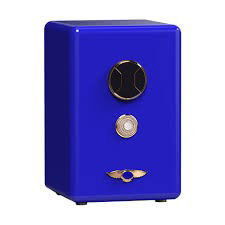
The Knight: Bold Protection with a Soft Touch — My AFB Safe
In an age where security and aesthetics often seem to stand at opposite ends, AFB The Knight breaks convention with a bold, refreshing statement. This is not your average safe box — it is an exquisite fusion of unyielding security and luxurious design. “The Knight” doesn’t just protect your valuables — it elevates your space while doing it with sophistication. Let’s dive into what makes AFB The Knight the ideal choice for individuals who demand strength, elegance, and superior performance in one cohesive form. 1. The Philosophy Behind The Knight AFB’s design ethos is clear: uncompromising protection need not look cold or industrial. The Knight reflects this philosophy in every detail. Built for high-stakes protection yet lined with delicate velvet suede, this safe box is a rare piece that provides serious functionality without sacrificing style. Where most safes are hidden out of sight due to their utilitarian design, The Knight stands tall — worthy of display. It’s crafted for those who want their sense of security to be as elevated as their sense of interior design. 2. Built Like a Fortress: Uncompromising Security While its name evokes medieval nobility, The Knight is anything but old-fashioned when it comes to security. This is a modern safe box that comes equipped with state-of-the-art locking mechanisms and enhanced structural protection. Key Security Features: Multi-layer Reinforced Steel Construction: Built to withstand brute force attacks and tampering attempts. Triple Access Modes: The Knight offers biometric fingerprint access, PIN code, and emergency override key — allowing flexible, tiered security. Advanced Lock Bolts: The thick, solid steel bolts firmly secure the door in place, minimizing prying and impact risks. Invalid Access Alarm: Any unauthorized attempt to open the safe triggers an automatic alarm, deterring intruders instantly. Auto Freeze Mode: Repeated failed login attempts result in a security freeze, rendering the safe temporarily inaccessible to intruders. Whether you’re protecting important documents, jewelry, rare collectibles, or digital assets, The Knight gives you full peace of mind. 3. Velvet Suede Interior: Softness Meets Luxury The inside of this safe box is where things get truly unique. While the outer shell is designed to keep dangers out, the interior is designed to treat your valuables with care and refinement. Lined with plush velvet suede, The Knight’s inner chamber is a sanctuary for your most treasured belongings. Interior Touches: Scratch-Resistant Velvet Shelves: Ideal for storing jewelry, watches, or luxury pens. Customizable Compartments: Create space tailored to your needs, whether for passports, legal documents, or small tech. Gentle Illumination: Interior LED lighting softly glows upon opening, adding both function and flair. Smooth Drawer Mechanism: Glide drawers are lined in velvet suede for silent, seamless access. This attention to detail adds not only a touch of elegance but also a layer of functional protection — especially for delicate or high-end items that demand a soft resting space. 4. Designed for the Modern Lifestyle Gone are the days when a safe box was a clunky, immovable object tucked away in a closet. The Knight is designed for today’s discerning user — whether you’re a luxury apartment owner, high-level executive, or boutique business operator. Aesthetic & Functional Design: Velvet Matte Finish Exterior: A neutral yet bold palette that complements modern interior themes. Compact Yet Spacious: Its design maximizes internal space without overwhelming its surroundings. Soft-Touch Controls: Responsive digital touchpad with backlighting for night-time access. Whisper-Quiet Operation: Discreet opening and locking — perfect for home settings or private offices. Its versatility allows it to function beautifully as a standalone piece or as part of a concealed storage system. 5. Ideal for a Variety of Valuables The Knight doesn’t limit its protection to one type of item. Its versatile storage capacity and interior layout make it suitable for a wide range of valuables. Store With Confidence: Jewelry & Luxury Watches: Nestled in velvet, these high-value items are protected from both theft and scratches. Cash & Financial Instruments: Discreetly stored behind secure access layers. Important Documents: Keep passports, deeds, wills, and contracts safe from prying eyes and mishandling. Heirlooms & Keepsakes: Protect irreplaceable items of sentimental value. Digital Media & USB Drives: Secure digital assets with peace of mind. It is especially useful for individuals managing small collections, legal documents, or family treasures in a private setting. 6. Smart Security Meets Elegant Technology AFB has equipped The Knight with the kind of tech-savvy convenience you’d expect from premium security solutions. Tech-Enabled Features: Biometric Access: Stores multiple fingerprints for access by trusted individuals. One-Touch Locking: Instantly secure the safe box with a single press. Battery Status Indicator: Never be caught off-guard — visual cues alert you when it’s time to replace batteries. Emergency Key Entry: A hidden override option for extreme cases of tech failure or forgotten PINs. These smart elements ensure a seamless experience while maintaining the highest levels of protection. 7. Portability and Installation Options Despite its sturdy build, The Knight is designed for strategic mobility and flexible placement. Mounting Options: Secure it to walls or floors using provided anchoring hardware. Hidden or Visible Setup: Choose to make it a centerpiece or discretely tuck it away. Ideal for Apartments and Condos: Its sleek design is ideal for modern living spaces with limited square footage. This safe box fits effortlessly into both home and corporate environments, delivering adaptable security wherever needed. 8. Why Choose AFB The Knight? There are many safes on the market — but few manage to combine security, beauty, and intelligence like The Knight. Here’s why it stands out: Premium Build with Luxury Interior Advanced Technology Meets Timeless Design Flexible Storage with Gentle Interior Lining Peace of Mind, With a Touch of Elegance Whether you’re safeguarding investments, memorabilia, or sensitive documents, The Knight offers unparalleled protection in a package you’ll be proud to own. 9. User Testimonials (Summary) While this post avoids direct customer quotes, feedback from users commonly highlights: The elegant velvet interior’s luxurious feel. Confidence in the multi-level access system. Satisfaction with the design’s fit in upscale environments. Appreciation for the thoughtful LED lighting and smooth drawer glide. These real-world insights underscore The Knight’s effectiveness as both a secure and stylish safe box. A Bold Yet Gentle Guardian In a world filled with utilitarian security solutions, AFB The Knight redefines what it means to keep valuables safe. It’s a safe box that doesn’t just sit in the shadows — it stands in quiet confidence, providing both unwavering protection and unparalleled luxury. The Knight: Bold protection with a soft touch. It’s not just a product — it’s a promise of safety, a statement of style, and a lifetime companion for your most treasured possessions. Pop over here : https://myafbsafe.com.sg
Read more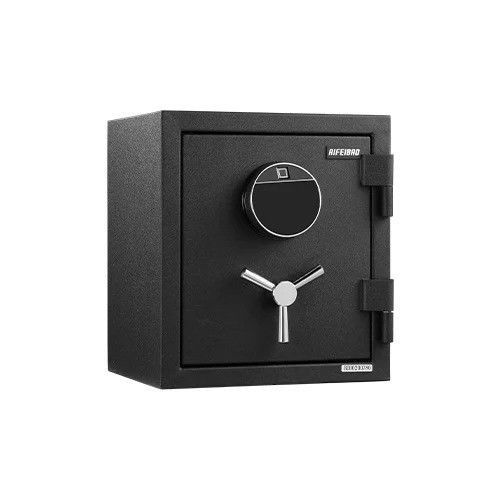
Secure Your Valuables with Confidence: Why Choosing the Right Safe in Singapore Matters More Than Ev
Security is no longer just a luxury — it’s a necessity. Whether you’re a homeowner protecting heirlooms or a business safeguarding cash and critical documents, having a safe is one of the smartest investments you can make. With crime rates evolving and data privacy becoming more sensitive, it’s no wonder that more people in Singapore are looking to buy a reliable and fire-resistant safe for home or office use. At AFB Safe Singapore, the mission is clear: offer high-quality, certified safes that provide unmatched peace of mind and superior protection against fire, theft, and mishandling. What Is a Safe (and Why Do You Need One)? A safe is a secure lockable box designed to protect your valuable belongings — both physical and digital — from theft, fire, or accidental damage. Think of it as your last line of defence in an emergency. Common items stored in a safe include: Cash reserves Jewellery and watches Legal documents (e.g., passports, wills, deeds) Insurance papers Digital media (hard drives, USBs) Precious collectibles or heirlooms Business contracts and confidential files In Singapore, where many residents live in HDBs, condos, and compact spaces, a well placed fire-resistant or burglar-proof safe ensures your most important items are always secure — without taking up much space. Types of Safes in Singapore: Which One Do You Need? Not all safes are created equal. Your choice will depend on what you’re securing, where you’re placing the safe, and what threats you’re protecting against. Here’s a quick breakdown of the most popular safe types available at AFB Safe Singapore: 1.Fire-Resistant Safes These safes are built to protect contents from extreme heat, smoke, and flames for a specific duration (usually 1–2 hours). Ideal for: Legal documents Passports Digital storage media Insurance papers Tip: Always look for a UL or JIS fire-rating for trusted protection. 2.Burglar-Resistant Safes Reinforced with anti-drill plates, heavy-duty locks, and solid steel, these safes are designed to deter break-ins and tampering. Perfect for: Jewellery and cash Company chops and cheque books Confidential files Night drop deposits 3.Biometric or Digital Lock Safes These modern safes offer fingerprint, PIN, or RFID access — removing the need for physical keys while improving convenience. Great for families, Airbnb hosts, or offices with multiple users. 4. Hotel-Style or Compact Personal Safes Ideal for travel or personal use, these safes offer simple access with PIN or card and compact sizing. Suitable for: Daily valuables Smaller apartments or dorms Temporary setups Where Should You Place a Safe in Your Home or Office? Location is critical to maximise the safe’s effectiveness. For Homeowners: Inside a wardrobe Under the bed (with bolt-down installation) Behind furniture or a hidden wall panel In a concrete or wooden cabinet For Offices: Locked store rooms Under management desks Behind reception counters Server rooms for data safes Pro tip: Always bolt your safe to the floor or wall to prevent it from being carried off during a break-in. What to Look for When Buying a Safe in Singapore Buying a safe isn’t just about size — it’s about function, protection level, and reliability. Consider the following: Fire Rating: Should withstand fire for at least 1 hour Locking Mechanism: Digital, biometric, or dual lock for extra safety Construction Material: Solid steel casing with anti-pry doors Size & Volume: Ensure it fits in your intended space Certifications: UL, JIS, or ISO compliance ensures quality Internal Layout: Shelves, compartments, padded lining for jewellery Benefits of Owning a Safe Installing a safe at home or in the office isn’t just about protection — it’s also about peace of mind and control. Key benefits: 24/7 protection against fire, theft, or mishandling Quick access to critical items during emergencies No dependency on bank vaults or external lockers Enhanced data protection with fireproof digital media safes A more organised space for valuables When you own a safe in Singapore, you no longer rely on external storage or worry about “what if” scenarios. Your valuables are literally under your own lock and key. Why Choose AFB Safe Singapore? AFB Safe Singapore has built a reputation for delivering premium, certified safes backed by uncompromised customer support. What makes AFB Safe the preferred choice: Wide range of fireproof, burglar-resistant, and biometric safes SCDF-compliant and internationally certified models Free delivery and professional installation After-sales support and warranty Custom fitting and mounting options Expert consultation to help you choose the right safe Whether you’re securing your family’s future or your business’s sensitive data, AFB Safe offers you reliability without compromise. Final Thoughts: A Safe Investment That Protects What Matters Most In uncertain times, the best thing you can do is prepare. And that starts by securing your most valuable possessions in a trusted, high-quality safe. From personal documents to precious jewellery, the right safe can help you sleep easier at night — knowing that no matter what happens, your most important assets are protected. Ready to take the first step toward better security? Explore AFB Safe’s full range of fireproof, digital, and home safes here: https://myafbsafe.com.sg
Read more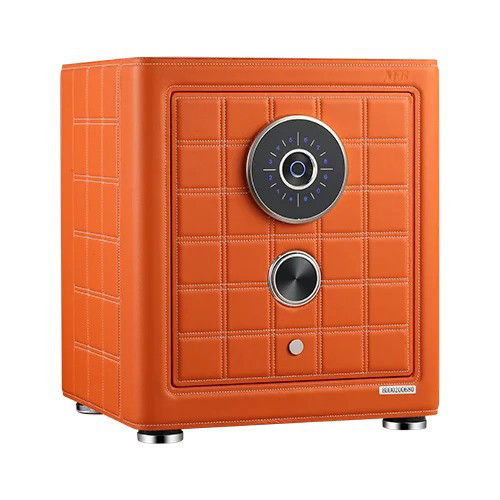
Beyond the Basics: Why a Home Safe Is a Must-Have in Singapore.- My AFB Safe
The idea of securing valuables has become more than just a precaution — it’s a necessity. Singapore, despite being one of the safest countries in the world, is not immune to risks such as burglary, fire, water damage, and even human error like misplacing important documents. This is where a home safe plays an indispensable role. More than just a locked box, a safe provides peace of mind, ensures protection against multiple threats, and reflects a homeowner’s commitment to long-term security planning. This article dives deep into why a safe is no longer a luxury but an essential fixture in Singaporean homes, covering the growing importance of security, types of valuables to protect, and the specific advantages a safe brings in the Singapore context. Rising Need for Personal Security in Singapore Singapore’s reputation as a low-crime nation is well-deserved, but that does not eliminate the possibility of opportunistic thefts or unexpected emergencies. High-rise living, shared apartment spaces, and reliance on domestic helpers increase the importance of securing personal items in one central and protected place. Moreover, many homeowners invest heavily in jewelry, luxury watches, important contracts, and digital assets. These items often carry sentimental as well as financial value. A safe ensures they remain beyond reach of unauthorized hands. Even in a low-crime society, the principle of better safe than sorry resonates strongly. Protecting More Than Money When people think of safes, the immediate association is usually cash. However, in reality, a safe is designed to protect a far wider range of items: Jewelry and Watches: Singaporeans often inherit or invest in gold, diamonds, and branded watches. A safe keeps them secure and shielded from prying eyes. Passports and IDs: These essential documents are irreplaceable in emergencies. Losing them not only causes inconvenience but can also pose identity theft risks. Property Titles and Legal Papers: In a real estate-driven economy like Singapore’s, property ownership documents are invaluable. Digital Storage Devices: Hard drives, USB sticks, and backup devices often contain sensitive data and family memories. Sentimental Keepsakes: Items with emotional value — such as heirlooms, letters, or collectibles — deserve protection as much as assets with monetary worth. A safe is therefore more than just a financial safeguard. It’s a protection vault for all the things that truly matter in daily life. Fire and Water Protection Beyond burglary, homeowners in Singapore must also consider natural and accidental hazards. Residential fires, though uncommon, can spread quickly in high-rise HDB flats or condominiums. Water damage from burst pipes or accidental flooding is another risk. Modern safes are built with fire-resistant and water-resistant technology. They can withstand extreme temperatures for a defined period and shield contents from being damaged by sprinklers or leaks. Having a fire- and water-proof safe ensures that even in worst-case scenarios, essential items remain intact. Privacy at Home Another overlooked benefit of owning a safe is privacy. Many households in Singapore employ live-in domestic helpers, have frequent visitors, or share living spaces with family members. While trust is key in such arrangements, it is natural to want certain documents or valuables stored away privately. A safe gives homeowners complete control over who can access sensitive belongings. By setting a password, biometric lock, or dual-authentication system, they ensure that privacy is preserved without having to confront or explain to anyone why items must be hidden. Psychological Peace of Mind Security is not just physical — it is psychological. The mere knowledge that important possessions are secured in a safe reduces anxiety. Whether you are traveling abroad, leaving the house unattended, or simply going about your day, a safe provides reassurance that your valuables are beyond reach of unforeseen risks. This peace of mind is especially valuable in a city where people often juggle demanding jobs, business responsibilities, and family commitments. Eliminating one major worry — loss of valuables — helps free mental space for other priorities. Types of Home Safes Suitable for Singapore Not all safes are created equal, and choosing the right one depends on individual needs. In Singapore, the following categories of safes are most common: Fireproof Safes: Built to withstand high heat for up to several hours, ideal for safeguarding paper documents and digital media. Waterproof Safes: Essential for protecting electronics, passports, and fragile keepsakes from f looding or sprinkler systems. Biometric Safes: Opened via fingerprint recognition, offering quick access while ensuring high-level security. Portable Safes: Small, lightweight options for those who need basic protection or want to secure valuables while traveling. Wall or Floor Safes: Hidden options that blend into the structure of the home, adding an extra layer of protection. With the increasing demand in Singapore, many brands now customize safes for residential use, balancing compact size with maximum security features. Integration with Modern Smart Homes Homeowners are increasingly adopting smart technology — from digital locks to home automation systems. Safes are evolving in tandem. Smart safes now integrate with apps, allowing owners to receive notifications about unauthorized access attempts or to reset passcodes remotely. For a tech-savvy city, this level of integration makes safes not only protective but also aligned with modern living standards. It transforms the safe into a smart security hub rather than just a static metal box. Cost Versus Value Some may hesitate to invest in a home safe, viewing it as an unnecessary expense. However, this perspective changes when one considers the potential cost of losing valuables. Replacing jewelry, electronics, or legal documents often involves far greater financial and emotional burden than the upfront cost of purchasing a safe. In fact, buying a safe should be viewed as a one-time investment for long-term security. With proper care, most safes last decades, offering unparalleled value over their lifespan. Why a Safe Matters Specifically in Singapore The Singapore context highlights several unique reasons why owning a home safe is crucial: Compact Living: Space is limited in HDB flats and condos. A safe provides organized storage of valuables in one protected location. High Value Items: Many Singaporeans invest in gold, watches, and luxury goods, which attract attention. Travel Lifestyle: With frequent overseas trips for work or leisure, a safe ensures valuables remain secure even when homes are unoccupied. Increasing Cybersecurity Concerns: While digital assets are stored online, physical backups such as hard drives benefit from safe storage. Emergency Preparedness: In case of fire or unforeseen disasters, a safe can ensure the survival of critical documents. Thus, in Singapore’s urban setting, a safe addresses not only theft but also lifestyle-driven vulnerabilities. Building a Habit of Security Owning a safe is only part of the solution. To maximize benefits, homeowners should build habits around using it effectively: Store important items immediately after use rather than leaving them exposed. Change passcodes or update biometric access periodically. Educate family members on emergency access to the safe if needed. Avoid overloading it with unnecessary clutter — focus on essentials. Security is as much about discipline as it is about equipment. Conclusion: A Safe Is a Necessity, Not an Option In the modern Singaporean home, where space is compact, lifestyles are dynamic, and valuables are diverse, the need for a safe goes beyond the basics. It is not simply about deterring theft — it is about fire protection, water resistance, privacy, and psychological reassurance. A safe represents preparedness. It safeguards hard-earned assets, irreplaceable memories, and vital documents. Most importantly, it allows homeowners to live with confidence, knowing that the things they treasure most are protected. In short, while Singapore prides itself on safety, every household has personal valuables worth securing. A safe is not a symbol of mistrust — it is a reflection of foresight and responsibility. For any homeowner who values peace of mind, investing in a safe is no longer optional. It is, without question, a must-have. To know more :https://myafbsafe.com.sg
Read more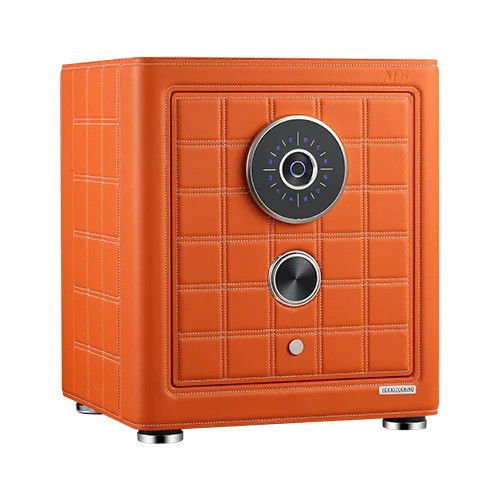
Choosing the Right Safe: Fire-Resistant vs. Burglary Resistant Safes -My AFB Safe
When it comes to protecting your valuables, choosing the right safe is one of the most important decisions you can make. A safe is more than just a metal box — it is a long-term investment in security, peace of mind, and sometimes even insurance compliance. However, not all safes are created equal. Depending on your needs, you may be torn between two primary categories: fire-resistant safes and burglary-resistant safes. Both serve different purposes, and understanding the differences is essential if you’re looking for the best safe box for home Singapore. In this article, we’ll explore the key distinctions between fire-resistant and burglary-resistant safes, their strengths and limitations, and how you can decide which type suits your lifestyle and security priorities. Why Do You Need a Safe? Before diving into the comparison, it’s important to reflect on why you need a safe in the f irst place. Some people want to safeguard cash, jewelry, or important documents from burglars. Others prioritize protecting irreplaceable family heirlooms, passports, or legal documents from disasters like fire. Many households and small businesses need both types of protection. The right choice depends on the type of threats you are most concerned about. A safe should address the most likely risks in your environment — whether that’s break-ins, accidental fires, or a combination of both. Fire-Resistant Safes: Protecting Against Heat and Flames Fire-resistant safes are designed to withstand extreme heat and flames for a specific duration. Their primary purpose is to protect documents, digital media, and valuables from f ire damage. How Fire-Resistant Safes Work Fire-resistant safes contain special insulation materials that keep the internal temperature low even as the outside is exposed to fire. Ratings often specify the safe’s endurance in terms of both temperature and time. For example: 30-minute rating: Protects contents for half an hour in fire conditions. 1-hour rating: Protects for 60 minutes. 2-hour rating: Higher protection, often used in offices or homes with higher risk exposure. What They Protect Best Paper documents: Birth certificates, wills, property deeds, insurance policies. Digital storage devices: CDs, DVDs, USB drives (with specialized models). Sentimental items: Photos or small heirlooms that could be destroyed by fire. Limitations of Fire-Resistant Safes While effective against heat and smoke, fire-resistant safes usually do not offer high resistance against burglars. Many are not built with reinforced steel or advanced locking mechanisms, which means a determined thief could pry them open. Burglary-Resistant Safes: Defending Against Theft Burglary-resistant safes are engineered to withstand attempts at forced entry. They focus on structural strength, lock complexity, and resistance to tools like crowbars, drills, and hammers. How Burglary-Resistant Safes Work These safes are built with hardened steel walls, reinforced doors, and advanced locking systems such as electronic keypads, biometric scanners, or dual-combination locks. They often come with ratings that indicate their resistance to specific tools or the time required for a burglar to break in. What They Protect Best Jewelry, gold, and cash. Electronics or small gadgets of high value. Important legal and financial documents. Limitations of Burglary-Resistant Safes Burglary-resistant safes are tough against thieves, but they may not hold up well in a fire unless specifically designed with dual resistance features. If your home is at risk of fire, a burglary-resistant safe without fire protection may not protect sensitive paper or electronic records. Both types serve crucial but different roles. The choice comes down to which risk matters more in your situation. The Ideal Solution: Dual-Protection Safes Many modern homeowners ask: “Can I get a safe that protects against both fire and burglary?” The answer is yes, but with considerations. Dual-protection safes combine features of both fire resistance and burglary resistance. These safes: Offer fire ratings (e.g., 1-hour or 2-hour protection). Feature solid steel construction and advanced locking systems. Are heavier and more expensive due to the combined materials. For families and individuals looking for the best safe box for home in Singapore, a dual protection safe is often the smartest investment. It ensures your valuables are secure from both common household threats. Factors to Consider Before Buying a Safe When choosing between fire-resistant and burglary-resistant safes — or investing in a combination safe — keep the following factors in mind: 1.Type of Valuables You’re Protecting If it’s mostly documents and records, lean towards fire-resistant. If it’s jewelry and cash, a burglary-resistant option is better. If it’s a mix, invest in dual protection. 2.Home Risk Profile Homes in areas prone to wildfires or electrical accidents benefit from fire-resistant safes. Urban homes with higher burglary risks benefit from burglary-resistant safes. Families in mixed-risk areas should opt for combination safes. 3.Safe Size and Capacity Think ahead. A safe that seems adequate today may feel too small in a few years. Choose a size that accommodates future needs. 4.Installation Location Fire-resistant safes are often lighter and can be placed in closets or offices. Burglary-resistant safes should ideally be bolted to the floor or wall to prevent removal. 5.Budget While it’s tempting to go for the cheapest option, remember that safes are long-term investments. A slightly higher upfront cost can save you from devastating losses later. Practical Scenarios To illustrate how the choice might differ: A family storing property papers, passports, and tax documents may prioritize a fire-resistant safe. A small business owner storing cash and daily sales may need a burglary-resistant safe. A homeowner wanting to secure both jewelry and important documents will likely choose a dual-protection safe as the best safe box for HDB. Tips for Maximizing Safe Security Owning a safe is only the first step. To ensure maximum protection: Bolt it down: Prevent thieves from carrying the safe away. Hide it smartly: Place it in discreet areas rather than obvious spots. Maintain the lock system: Replace batteries for electronic locks regularly. Don’t share the code freely: Limit access to only trusted family members. Choosing between a fire-resistant safe and a burglary-resistant safe ultimately depends on the type of risks you face and the valuables you want to protect. Fire-resistant safes excel at safeguarding documents and sentimental items during a fire, while burglary-resistant safes are built to withstand forced entry attempts. However, if you want comprehensive protection, investing in a dual-protection safe may be the best decision. For most households, the best safe box for home is one that combines both fire resistance and burglary resistance, giving you peace of mind no matter what happens. A safe is not just about storage — it’s about securing your family’s future, preserving irreplaceable items, and ensuring your most important belongings stay protected against both man-made and natural threats. Take the time to assess your needs, consider the risks, and invest wisely in the safe that fits your lifestyle. Pop over here : https://myafbsafe.com.sg
Read more
My AFB Safe (7 Unexpected Items You Should Be Storing in a Safe)
When most people think of a safe, the first items that come to mind are usually passports, property papers, and expensive jewelry. While these are certainly important, a safe can hold far more than just the obvious valuables. In fact, it can protect a wide range of items that are often overlooked but carry tremendous personal, financial, or emotional value. By thinking beyond the ordinary, you can maximize the usefulness of your safe and ensure that your most important possessions are always protected. Here are seven unexpected items you should be storing in a safe — items that often get neglected but can be just as vital as legal documents or gold jewelry. 1. External Hard Drives and Digital Backups In today’s digital age, our lives are increasingly stored on devices. Family photos, personal videos, work projects, and financial records are often backed up on external hard drives or portable storage devices. While cloud storage is helpful, it isn’t foolproof — servers can fail, accounts can be hacked, and internet access isn’t always reliable during emergencies. By keeping external hard drives in a safe, you ensure that digital memories and critical files are secure from physical threats such as fire, water damage, or theft. A safe adds a physical layer of protection that complements your digital security measures. This practice ensures your personal and professional digital legacy is never at risk of disappearing overnight. 2. Sentimental Family Heirlooms While monetary value is often the focus when it comes to safes, sentimental value is just as important. Items like handwritten letters, old diaries, a grandfather’s watch, or a mother’s wedding ring may not have a large market price but are emotionally priceless. A safe provides protection for these heirlooms, ensuring they are shielded from accidental loss, environmental wear, or burglary. Unlike everyday storage drawers, a safe keeps them secure for future generations, preserving family history and personal heritage. The peace of mind that comes from knowing these treasures are protected is invaluable. 3. Emergency Cash Reserves In an increasingly cashless society, many households overlook the importance of keeping physical money on hand. However, cash can be a lifesaver in situations such as power outages, banking system failures, or emergencies where electronic payments are not possible. Storing emergency cash in a safe ensures that you are never caught unprepared. Whether it’s for urgent travel, immediate household needs, or critical medical situations, having cash secured but accessible provides financial resilience. A safe also ensures that this money is not misplaced or left vulnerable in less secure spots around the home. 4. Spare Keys and Access Cards Most people know the frustration of losing house keys or misplacing access cards. Keeping spare keys in easily accessible yet hidden places (like under a doormat or plant pot) is a common habit — but also a major security risk. A better solution is to store spare keys, car fobs, or access cards inside a safe. This not only prevents intruders from finding them but also ensures that you always have a reliable backup in emergencies. For added convenience, safes with biometric or code access allow you to retrieve spares quickly without compromising security. 5. Prescription Medications and Medical Devices For individuals or families with ongoing medical needs, certain prescription medications or small medical devices can be vital for survival. Storing them in a safe box ensures they are kept in a secure, organized, and accessible location. This becomes especially important for households with children, visitors, or pets. A safe prevents accidental misuse or unauthorized access while keeping the items protected from moisture or heat. Medications such as insulin, inhalers, or emergency allergy treatments are not only valuable but sometimes irreplaceable at a moment’s notice, making them ideal candidates for safe storage. 6. Rare Collectibles and Hobby Items Beyond jewelry, many people own collections that are personally meaningful and financially valuable. This could include rare coins, vintage stamps, collectible trading cards, signed memorabilia, or even limited-edition art pieces. These items may not be top of mind when you think of safe storage, but their rarity and uniqueness make them vulnerable to theft or loss. A safe provides a controlled environment to ensure these collectibles remain in pristine condition while being protected from opportunistic theft. Collectors often invest years of effort into building their collections, making it crucial to store them securely. 7. Important Passwords and Access Information In the modern world, digital access is as important as physical possessions. Many people keep their passwords on sticky notes, notebooks, or unsecured files, which can be risky. Storing a written copy of your most important passwords, recovery codes, or account access details in a safe ensures that you or your family can regain access if devices fail, accounts lock, or memory lapses occur. For added security, you might include information about bank accounts, insurance policies, and even instructions for accessing digital wallets. Just like you protect your keys in a safe, protecting your digital keys is equally vital for long-term peace of mind. Why Think Beyond the Obvious? Safes are often underutilized because people associate them only with jewelry and legal documents. In reality, a safe is a versatile security tool designed to protect what matters most to you — whether that is financial, emotional, or practical in nature. Thinking beyond the obvious broadens the role of your safe from being a luxury item to being a central part of your preparedness strategy. It also helps bridge the gap between physical and digital security. From heirlooms to hard drives, cash to collectibles, a safe becomes a comprehensive solution for both expected and unexpected scenarios. Safe vs. Safe Deposit Box You may wonder whether to store these unexpected items in a home safe or a safe deposit box Singapore at a bank. Each has its advantages. A safe deposit box is excellent for long term storage of items that you don’t need immediate access to, such as original property deeds or rare collectibles. However, it is not accessible 24/7 and may not be practical in emergencies. A home safe, on the other hand, allows instant access while still providing robust protection. Many households benefit from using both — a safe deposit box for items that can remain offsite and a home safe for items that need to be accessible at short notice. This layered approach ensures comprehensive protection of all valuables, whether expected or unexpected. Your safe should be more than just a vault for documents and jewelry — it should be a guardian for the items that define your daily life and personal history. External hard drives, sentimental heirlooms, emergency cash, spare keys, prescription medications, collectibles, and access information are all critical in different ways. Protecting them ensures not only security but also continuity in times of crisis. By broadening what you store in your safe, you transform it from a static storage box into an active tool for resilience and preparedness. Pairing a safe with a safe deposit box in Singapore gives you the best of both worlds: immediate protection at home and additional security at a trusted institution. In a world where uncertainty is constant, the simple step of expanding what you protect in your safe is a powerful way to safeguard your lifestyle, your memories, and your future. Visits us : https://myafbsafe.com.sg
Read more