 Bronze
myafbsafe Sg, Singapore
The ‘No Hidden Costs’ Checklist: What to Look for When Comparing Safe Prices in Singapore-My AFB Saf
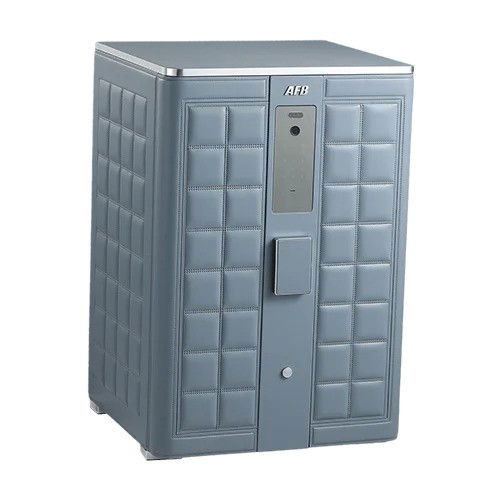
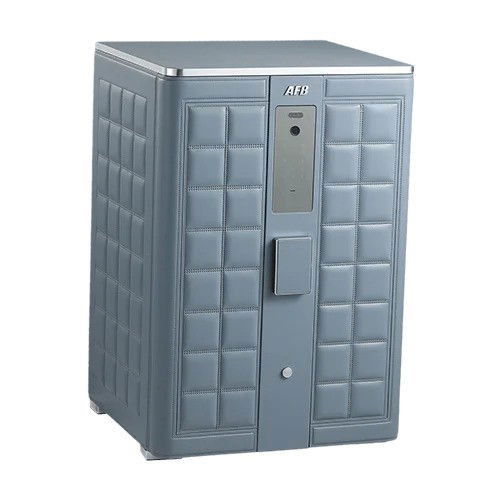
When shopping for a safe, the price tag you see online or in a showroom rarely tells the whole story. Many buyers focus on the upfront cost, assuming that two safes with similar prices offer similar value. In reality, the total expense can vary significantly once additional charges, installation requirements, and long-term considerations are included. That is why a “No Hidden Costs” checklist is essential when comparing options. Understanding what to evaluate ensures you are not surprised later and that the safe box you choose truly meets your security needs. 1. Base Price vs. Complete Package The first item on any checklist should be understanding exactly what the listed price includes. Some manufacturers advertise a low starting price but exclude essential components such as mounting hardware, interior shelving, or locking upgrades. Others may show the cost of a basic model while important features require additional fees. When comparing safes, confirm whether the quoted price includes the final configuration you need. Ask whether interior customization, fire insulation, or upgraded locks are already part of the package. A slightly higher upfront price can often represent better value if it includes features that competitors charge extra for. 2. Delivery Charges Safes are heavy and require careful transportation. Delivery costs can vary depending on weight, distance, and accessibility of your location. Some retailers include curbside delivery in the price, while others charge separately for it. Even when delivery is included, it may only cover the safe being dropped off outside your building. If you live in an apartment, have stairs, or need the safe placed in a specific room, additional handling fees may apply. Before making a purchase, ask exactly where the safe will be delivered and whether specialized equipment or additional staff will increase the cost. 3. Installation and Placement Installing a safe properly is critical for security. Many safes must be bolted to the floor or wall to prevent theft or tipping. However, installation is not always included in the advertised price. Professional installation services often involve drilling, anchoring, leveling, and testing the lock system. The cost may depend on the type of flooring or the complexity of the installation environment. For example, concrete anchoring may require different tools compared with wooden flooring. When evaluating a safe box Singapore, confirm whether installation is included or optional. Knowing this in advance allows you to calculate the true cost of ownership rather than just the product price. 4. Lock Type and Upgrades Locks are one of the most important security features of any safe. However, the type of lock included in the base price can vary. Mechanical combination locks, digital keypad locks, and biometric systems often have different price points. Some retailers display the price for the simplest lock option while more advanced locks require upgrades. While digital or biometric locks can offer convenience, they may increase the overall cost. It is important to compare safes with similar lock systems when evaluating prices to ensure the comparison is fair. 5. Fire and Security Ratings Another hidden cost factor involves certification levels. Safes designed for fire protection or high-security applications often carry independent ratings from testing organizations. These ratings confirm the safe’s ability to withstand heat, forced entry attempts, or environmental hazards. A lower-priced safe may not have verified testing or may offer only minimal protection. If you require a higher fire rating or burglary resistance, upgrading to a certified model could add to the total cost. However, this investment may be essential depending on what you plan to store. 6. Interior Features and Accessories Become a Medium member Interior organization is often overlooked during price comparisons. Adjustable shelves, drawers, lighting systems, and document compartments may not always be included. Some safes come with basic interiors that must be customized later with accessories. Adding these features individually can increase the total price. Before making a purchase, determine whether the safe includes the internal layout you need. This is particularly important if you plan to store documents, valuables, or specialized equipment. 7. Warranty and Service Support Warranty coverage is another factor that influences long-term value. Some safes come with limited warranties that only cover manufacturing defects for a short period. Others include extended coverage for locks, structural components, and fire protection. Additionally, check whether the manufacturer offers local service support. If the lock fails or the safe requires maintenance, repair costs may become significant if service technicians are not available in your area. Choosing a safe box Singapore with a strong warranty and accessible service network can reduce potential future expenses and provide greater peace of mind. 8. Maintenance and Battery Replacement Electronic and biometric locks may require periodic battery replacement. While the cost of batteries is relatively small, it is still important to understand the maintenance requirements of your safe. Some digital systems require specific battery types or regular testing to ensure proper operation. Over time, neglecting maintenance can lead to lockouts or malfunction. Understanding these small but recurring responsibilities helps you evaluate the overall convenience and cost of ownership. 9. Moving and Relocation Costs Another frequently overlooked expense is relocation. Safes are designed to be heavy for security reasons, which makes moving them challenging. If you plan to relocate in the future, moving the safe to a new home or office may require professional assistance. Depending on the safe’s weight and installation method, relocation costs can be significant. Considering this factor in advance helps you choose a model that balances security with practicality. 10. Insurance Considerations Some insurance companies offer reduced premiums or additional coverage when valuables are stored in certified safes. However, they may require specific security ratings or installation standards. If the safe you choose does not meet these requirements, you might miss out on potential insurance benefits. Checking these details in advance can influence your purchasing decision and potentially offset some costs over time. Making a Smart Comparison When comparing safe prices, the goal is not simply to find the lowest number on the label. Instead, the objective is to understand the full package and determine which option provides the best long-term value. By using a “No Hidden Costs” checklist, you can evaluate safes based on complete ownership costs rather than just the initial purchase price. Delivery, installation, lock systems, certifications, accessories, and service support all play important roles in determining the final investment. A well-chosen safe box protects your valuables, documents, and sensitive items for years to come. Taking the time to review every cost factor ensures that your purchase decision is informed, transparent, and free from unexpected surprises. Visits us : https://myafbsafe.com.sg
Read more

Digital Locks vs. Mechanical Dials: Why Technology is Winning the Security War-My AFB Safe
Security has always evolved alongside technology. From ancient key systems to complex mechanical combinations, each generation has sought stronger and more reliable protection for valuables and sensitive information. Today, the debate between digital locks and mechanical dials reflects a broader transformation in how we think about security. While mechanical systems have long been trusted for their durability and simplicity, digital locks are rapidly becoming the preferred solution across residential, commercial, and institutional environments. The shift is not just about convenience; it is about enhanced control, scalability, and adaptability in an increasingly connected world. The Legacy of Mechanical Dials Mechanical dial locks, often associated with vaults and traditional safes, operate through purely physical mechanisms. Rotating the dial aligns internal components in a precise sequence, allowing the lock to open. Their appeal lies in their independence from electricity and software. Without batteries or circuitry, they are resistant to power failures and certain types of cyber threats. For decades, mechanical dials symbolized reliability. Banks, jewelry stores, and homeowners relied on them to protect high-value assets, including documents stored in a safe deposit box Singapore. Their straightforward engineering and long lifespan built a reputation for trustworthiness. However, as threats have grown more sophisticated, the limitations of purely mechanical systems have become increasingly evident. The Rise of Digital Locks Digital locks replace mechanical combinations with electronic authentication methods. These systems may use keypads, biometric scanners, smart cards, or mobile applications to grant access. Instead of physical alignment, access is controlled by encrypted codes and programmable software. The key advantage of digital locks lies in their flexibility. Codes can be changed instantly without replacing hardware. Access can be granted or revoked remotely. Logs can track entry attempts, creating accountability and transparency. In contrast, modifying a mechanical combination often requires manual intervention and specialized service. Enhanced Security Through Encryption Modern digital locks rely on encryption protocols similar to those used in online banking and secure communications. This layer of digital protection makes unauthorized access significantly more difficult. While mechanical locks can be vulnerable to manipulation techniques or physical wear over time, digital systems integrate advanced safeguards such as anti-tamper alarms and automatic lockouts after repeated failed attempts. Encryption also allows for multi-factor authentication. Instead of relying on a single combination, users may be required to provide both a code and biometric verification. This layered approach dramatically reduces the likelihood of unauthorized entry, especially in high-risk environments. Access Control and User Management One of the most compelling reasons technology is winning the security war is its ability to manage access dynamically. In commercial settings, employee turnover requires frequent updates to access permissions. With a mechanical dial, each change can be cumbersome and time-consuming. Digital locks, by contrast, allow administrators to update credentials in seconds. This capability is particularly valuable in shared facilities, co-working spaces, or financial institutions. Administrators can assign temporary access codes, restrict entry to certain hours, and monitor usage patterns. These features offer levels of control that mechanical systems simply cannot match. Audit Trails and Accountability Security today is not only about preventing unauthorized access but also about documenting activity. Digital locks provide detailed audit trails, recording who accessed a secured space and when. This information is invaluable for compliance, investigations, and operational analysis. Mechanical dials offer no such record. If a vault or safe is opened, there is no inherent mechanism to identify the user. In contrast, digital systems create a transparent chain of accountability. This data-driven approach enhances both security and management efficiency. Convenience Without Compromising Protection Convenience often influences security choices. Mechanical locks require precise dialing sequences, which can be time-consuming and prone to user error. Digital locks streamline the process with intuitive interfaces and quick authentication methods. Despite their ease of use, modern digital systems maintain rigorous security standards. Features such as automatic locking, timed relocking, and remote alerts ensure that convenience does not compromise protection. The integration of smart technology enables users to monitor and manage their locks from virtually anywhere. Resilience Against Physical Wear Mechanical components inevitably experience wear and tear. Over time, friction and repeated use can affect alignment and reliability. Maintenance may require specialized technicians, particularly for high-security installations. Digital locks reduce reliance on intricate moving parts. While electronic systems require power sources, advancements in battery technology and backup systems ensure consistent operation. Many digital locks include low-battery warnings and emergency override options, minimizing the risk of unexpected lockouts. Integration With Smart Ecosystems Another reason digital technology is gaining dominance is its compatibility with broader smart systems. Security no longer operates in isolation. Digital locks can integrate with surveillance cameras, alarm systems, and centralized monitoring platforms. This interconnected approach allows for coordinated responses to security breaches. For example, a failed access attempt can trigger alerts or activate cameras automatically. Mechanical locks function independently, lacking the ability to communicate with other security measures. Adaptability to Emerging Threats Security threats evolve continuously. Digital systems can be updated with new firmware or software patches to address emerging vulnerabilities. This adaptability ensures that protection measures remain current without requiring complete hardware replacement. Mechanical locks, once manufactured, cannot adapt to new threat techniques without physical modification. In a rapidly changing security landscape, the ability to update and upgrade is a decisive advantage. Cost Considerations Over Time Although digital locks often involve higher initial costs, their long-term value can outweigh the investment. Reduced maintenance, flexible reprogramming, and integrated monitoring capabilities contribute to operational savings. In high-security environments, preventing even a single breach justifies the cost difference. Mechanical locks may appear economical upfront, but recurring service visits for combination changes or repairs can accumulate over time. Digital solutions streamline these processes, offering greater efficiency. Addressing Concerns About Cyber Risks Skeptics often point to cybersecurity vulnerabilities as a weakness of digital locks. While no system is entirely immune to risk, reputable manufacturers implement robust encryption and regular updates to mitigate threats. Physical security risks also exist for mechanical systems, including lock picking or manipulation. The key lies in proper implementation and maintenance. When installed and managed correctly, digital locks provide a balanced combination of physical and cyber protection. The Future of Security The trajectory of security technology clearly favors digital innovation. As artificial intelligence, biometrics, and remote connectivity become standard, digital locks will continue to evolve. Their ability to combine convenience, data analytics, and adaptive protection positions them as the future of secure access control. Mechanical dials retain a legacy of durability and simplicity, but they struggle to meet the demands of modern security environments. The increasing complexity of assets, facilities, and compliance requirements necessitates more sophisticated solutions. Conclusion The competition between digital locks and mechanical dials reflects a broader shift toward intelligent security systems. While mechanical locks have served reliably for generations, digital technology offers unmatched flexibility, accountability, and integration. From protecting a safe deposit box Singapore to managing enterprise-level facilities, digital locks provide scalable solutions tailored to contemporary challenges. Technology is winning the security war not because it replaces tradition, but because it enhances and redefines it. In an era where information and assets demand dynamic protection, digital locks stand at the forefront of modern security strategy. Visits us : https://myafbsafe.com.sg
Read more
How Much Does a Safe Really Weigh? Why Weight Matters for Security
When people shop for a safe, they often focus on features like digital locks, fire ratings, or sleek design. Weight, however, is one of the most underestimated factors in real security. The difference between a 12kg personal model like the Guardian and a 268kg heavy-duty option such as the Alice Queen is not just about size or price. It directly affects theft resistance, placement, long-term durability, and peace of mind. Understanding how much a safe really weighs, and why that weight matters, helps buyers choose protection that truly fits their needs.At its simplest, the weight of a safe is determined by the materials used and the thickness of its construction. Lightweight safes in the 10 to 20kg range are usually made from thinner steel panels, compact locking mechanisms, and minimal internal reinforcement. They are designed for convenience, portability, and basic deterrence. Heavier safes, often exceeding 200kg, use thick steel plates, reinforced doors, solid bolts, and layered construction that dramatically increase resistance to physical attacks. A 12kg safe such as the Guardian is typically categorized as a personal or entry-level safe. Its main advantage is ease of use. One person can carry it, install it in minutes, and reposition it if needed. This makes it suitable for apartments, rented homes, dorm rooms, or offices where permanent installation is not allowed. It can store small valuables like passports, documents, cash, jewelry, or digital media. As a safe box for daily essentials, it offers protection against casual theft and prying hands. However, the light weight of a 12kg safe also defines its limitations. Because it is easy to lift, a burglar can potentially remove the entire unit and attempt to open it elsewhere. Even when bolted down, thinner steel walls are more vulnerable to cutting tools or force. These safes rely heavily on secrecy and speed; they are meant to slow down opportunistic thieves rather than withstand prolonged attacks. For users who understand this role, a lightweight safe can still be a practical choice. On the other end of the spectrum is the 268kg Alice Queen safe. This level of weight places it firmly in the category of high-security or luxury safes. At nearly a quarter of a ton, moving it requires professional equipment, multiple people, and careful planning. This alone creates a major security advantage. A thief cannot simply pick it up and leave. Any attempt to relocate or tamper with such a safe is time-consuming, noisy, and highly visible. The heavy weight of a 268kg safe comes from substantial steel thickness, reinforced frames, and complex internal structures. Doors are often layered with multiple materials, not just to add mass but to resist drilling, cutting, and torch attacks. Locking systems tend to be more advanced, using multiple locking bolts that engage on several sides. This transforms the safe from a storage container into a true security barrier. Weight also plays a crucial role in how a safe interacts with its environment. Lightweight safes depend on being hidden in cupboards, drawers, or cabinets. Their security is enhanced by discretion. Heavy safes, by contrast, become part of the building. They are often installed on reinforced floors or anchored into concrete. This integration makes forced entry significantly harder and adds stability during attack attempts. Write on Medium Another important consideration is what you are protecting. The Guardian 12kg model is well suited for items with moderate monetary value or sentimental importance. Losing these items would be inconvenient or upsetting, but not catastrophic. In contrast, the Alice Queen 268kg safe is designed for high-value assets such as large amounts of cash, rare jewelry, confidential business documents, or heirlooms. The weight reflects the seriousness of the protection required. Fire and environmental protection also correlate with weight. Heavier safes usually include thicker insulation layers that protect contents from heat, smoke, and humidity. This is particularly important for documents, electronics, and irreplaceable items. While some lightweight safes offer basic fire resistance, their limited mass restricts how much insulation they can contain. Weight, in this case, contributes directly to survivability during disasters. There is also a psychological aspect to safe weight. Owners of heavier safes often report greater confidence in their security. The physical presence of a massive safe sends a clear signal of seriousness and permanence. For businesses, this can even act as a deterrent, as criminals are less likely to target premises with visibly robust security measures. A light safe box, while discreet, does not carry the same visual warning. That said, heavier is not always better for every user. Space, floor load limits, and budget all matter. A 268kg safe requires sufficient structural support and professional installation, which adds to the total cost. For small apartments or temporary spaces, this may not be practical. In such cases, a lighter safe combined with good placement, anchoring, and complementary security measures can still be effective. Choosing between a 12kg and a 268kg safe ultimately comes down to understanding risk. How likely is a targeted break-in? How long could an intruder realistically spend attempting to open the safe? What would the loss truly mean? Weight is not just a number on a specification sheet; it represents time, effort, and resistance. The heavier the safe, the more time and noise a thief must invest, increasing the chance of detection. Maintenance and longevity are additional areas where weight makes a meaningful difference. Heavier safes tend to experience less flexing over time, which helps maintain alignment between doors, frames, and locking bolts. This structural stability reduces wear on internal mechanisms and preserves smooth operation for decades. Lighter safes, while perfectly functional, may be more sensitive to repeated opening, closing, or minor impacts, especially if they are moved frequently. For users planning long-term ownership, weight often correlates with durability. Insurance considerations also highlight why safe weight matters. Many insurers take the mass and security rating of a safe into account when determining coverage limits. A heavier safe can qualify for higher insured values because it demonstrates greater resistance to theft. In professional environments such as retail, hospitality, or private banking, the presence of a high-weight safe is often a compliance requirement rather than a preference. The added mass becomes part of a broader risk management strategy. Ultimately, weight should be evaluated alongside lifestyle, threat level, and value stored. Neither the Guardian nor the Alice Queen is inherently better; each serves a distinct purpose. By matching safe weight to real-world needs, buyers avoid both underprotecting valuable assets and overinvesting in unnecessary security. Thoughtful selection ensures your investment balances practicality, protection, and confidence, turning weight from an overlooked specification into a clear, strategic decision that supports daily use, future growth, and lasting security for both personal and professional environments alike without compromise or unnecessary complexity over long periods. Visit us : https://myafbsafe.com.sg
Read more
Steel vs. Composite: The Developer’s Guide to Choosing the Right Safe Material for Ultimate Protecti
Selecting the right material for a Safe is one of the most critical decisions developers, architects, and security planners must make when designing residential, commercial, or industrial spaces. A Safe is not just a storage unit; it is a long-term security investment meant to protect valuables, documents, and sensitive assets from theft, fire, and environmental risks. Among the most common material choices, steel and composite construction stand out as industry standards. Understanding the strengths, limitations, and practical applications of each material helps developers make informed decisions that align with security goals, regulatory requirements, and user expectations. Steel has long been associated with strength and durability, making it a traditional choice for Safe construction. Its reputation comes from its high tensile strength and resistance to physical force. Steel-based Safes are designed to withstand prying, drilling, and cutting attempts, making them a reliable option for protection against burglary. For developers prioritizing physical security, steel offers a familiar and trusted solution that aligns with conventional safety standards. However, the effectiveness of a steel Safe depends heavily on the thickness and quality of the steel used. Thin steel walls may appear secure but can be vulnerable to advanced tools. Thicker steel increases resistance but also adds weight and cost. Developers must balance security requirements with structural considerations, especially in high-rise buildings or locations with load limitations. The weight of a steel Safe may require reinforced flooring or specific placement planning, which can affect overall project design. Composite Safes, on the other hand, use a combination of materials such as concrete, ceramics, fire-resistant compounds, and steel layers. This layered construction approach is designed to address multiple threats simultaneously. Unlike steel-only designs, composite Safes are engineered not just to resist forced entry but also to provide superior fire and heat protection. For developers working on projects where fire safety is a priority, composite construction offers significant advantages. One of the key benefits of composite Safes is their enhanced fire resistance. The internal composite materials act as insulators, slowing heat transfer and protecting contents during prolonged exposure to high temperatures. This makes composite Safes particularly suitable for environments where fire risk is a concern, such as commercial offices, data storage facilities, or residential developments in dense urban areas. Steel alone, while strong, conducts heat quickly, which can compromise the contents of a Safe during a fire unless additional insulation is used. From a security perspective, composite Safes offer resistance through complexity rather than sheer strength. The layered materials are designed to dull drilling tools, resist cutting, and frustrate forced entry attempts. This multi-material approach increases the time and effort required to breach the Safe, which is a critical factor in security design. Developers focused on advanced threat resistance may find composite Safes appealing due to their engineered complexity. Cost considerations play a major role in material selection. Steel Safes are generally more affordable and easier to manufacture, making them a cost-effective choice for large-scale projects or standard security needs. Their straightforward construction allows for predictable pricing and availability. For developers managing tight budgets or projects with uniform security requirements, steel Safes offer a practical and economical solution. Become a member Composite Safes typically come at a higher cost due to their complex construction and specialized materials. However, this higher upfront investment can be justified by the additional protection they provide. Developers should evaluate long-term value rather than initial cost alone. A composite Safe may reduce the need for supplementary fireproofing or external protective measures, potentially offsetting its higher price over time. Installation and logistics are another important factor. Steel Safes, especially larger models, can be extremely heavy and difficult to transport. This can complicate installation, particularly in upper floors or confined spaces. Composite Safes, while still substantial in weight, may offer more flexibility in design and placement depending on their construction. Developers must consider access routes, installation timelines, and site constraints when choosing between materials. User experience is also influenced by Safe material choice. Steel Safes often feature simpler designs and are easier for end users to understand and maintain. Their durability ensures long service life with minimal upkeep. Composite Safes may incorporate more advanced locking mechanisms and insulation systems, which can enhance functionality but may require additional user education. Developers designing for residential users may prioritize ease of use, while commercial projects may emphasize advanced protection features. Regulatory compliance and certification requirements should not be overlooked. Many projects require Safes to meet specific standards for burglary resistance, fire protection, or both. Steel and composite Safes are often tested under different certification frameworks. Developers must ensure that the chosen Safe material complies with relevant local and international standards. Composite Safes frequently achieve higher fire ratings, while steel Safes may excel in burglary resistance certifications depending on design. Aesthetic considerations can also influence material choice. Modern Safe designs are no longer purely utilitarian; they are often integrated into interiors as concealed or built-in units. Steel Safes offer clean, minimalist designs that suit contemporary spaces. Composite Safes, due to their construction, may allow for more customization in size and insulation without compromising external appearance. Developers working with interior designers should consider how the Safe will integrate visually into the space. Sustainability is becoming increasingly relevant in material selection. Steel is highly recyclable, making it an environmentally responsible option when sourced and manufactured responsibly. Composite materials, while effective, may involve components that are less recyclable or require more energy-intensive production processes. Developers with sustainability goals should evaluate the environmental impact of each option as part of their decision-making process. Risk assessment ultimately drives the choice between steel and composite Safes. For projects where theft prevention is the primary concern, a high-quality steel Safe with sufficient thickness may be more than adequate. In environments where fire risk, heat exposure, or document protection is critical, composite Safes provide a broader range of protection. Developers should assess the specific threats relevant to the project rather than relying on general assumptions about security. Flexibility and future-proofing are additional considerations. A Safe is a long-term asset, and its relevance should extend beyond immediate needs. Composite Safes, with their multi-threat protection, may offer greater adaptability to changing security requirements. Steel Safes, while robust, may require upgrades or replacement if protection needs evolve significantly. Developers planning for long-term occupancy or asset protection should factor in potential future risks. In conclusion, choosing between steel and composite materials for a Safe is not a one-size-fits-all decision. Steel Safes offer proven strength, affordability, and simplicity, making them ideal for many standard security applications. Composite Safes provide advanced protection through layered construction, excelling in fire resistance and multi-threat scenarios. Developers must weigh factors such as security requirements, fire risk, cost, installation constraints, user experience, and regulatory compliance. By aligning material choice with project-specific needs, developers can ensure that the selected Safe delivers ultimate protection, long-term value, and peace of mind for end users. Pop over here : https://myafbsafe.com.sg/
Read more