





The ‘Range Anxiety’ Myth: How Smart Charging Infrastructure is Redefining Road Trips in Southeast As
The concept of “range anxiety” has long hovered over conversations about electric mobility, shaping perceptions and slowing adoption across many regions. It refers to the fear that an electric vehicle will run out of power before reaching its destination or a suitable charging point. While this concern may once have been justified during the early stages of electric vehicle development, it is increasingly becoming a myth, particularly as smart charging infrastructure expands and matures. Across Southeast Asia, advancements in technology, planning, and energy management are redefining what road trips look like for electric vehicle users and transforming how drivers think about distance, reliability, and convenience. At its core, range anxiety is rooted in uncertainty. Traditional vehicles benefit from decades of established refuelling infrastructure, making fuel availability almost invisible to drivers. Electric vehicles, by contrast, initially entered markets where charging stations were sparse and charging times were long. This gap between expectation and reality fueled hesitation. However, the rapid evolution of the Singapore EV Charger ecosystem is closing that gap and reshaping driver confidence across both urban centers and long-distance travel routes. One of the most significant changes has been the strategic deployment of charging infrastructure along highways and major travel corridors. Instead of clustering chargers only in cities, planners are focusing on connectivity, ensuring that drivers encounter predictable and well-spaced charging points throughout their journey. This network-based approach mirrors how fuel stations were historically rolled out, but with added intelligence. Drivers can now plan routes with confidence, knowing that charging access is integrated into the broader transportation landscape rather than treated as an afterthought. Smart technology plays a crucial role in dismantling range anxiety. Modern charging systems are no longer passive power outlets; they are connected, data-driven platforms. A smart Singapore EV Charger can communicate availability, charging speed, and real-time status to vehicles and mobile applications. This transparency reduces uncertainty, allowing drivers to make informed decisions before and during their trips. When drivers know exactly where they can charge, how long it will take, and whether a charger is available, anxiety gives way to assurance. Charging speed has also improved dramatically. Early concerns were often linked to long waiting times that disrupted travel plans. Today, fast and ultra-fast charging solutions are becoming increasingly common along key routes. These systems are designed to complement natural breaks in a journey, such as meals or rest stops, rather than forcing extended delays. The perception of inconvenience fades when charging fits seamlessly into existing travel habits. Energy management is another factor reshaping the narrative. Smart infrastructure integrates load balancing, energy storage, and grid optimization to ensure reliable service even during peak demand. This is particularly important in Southeast Asia, where travel patterns can fluctuate due to holidays, weather, and tourism. Intelligent systems help maintain consistent charging performance, reinforcing trust in the reliability of the network. A dependable Singapore EV Charger experience is essential to overcoming lingering doubts about long-distance electric travel. Become a member The diversity of landscapes across Southeast Asia adds another dimension to this transformation. From coastal highways to mountainous roads, electric mobility must adapt to varied driving conditions. Advances in vehicle efficiency, regenerative braking, and battery management systems complement charging infrastructure by extending usable range. Together, these innovations reduce the frequency of charging stops and enhance overall driving confidence, even in less densely populated areas. Equally important is the role of user education and experience. As drivers become more familiar with electric vehicles, their understanding of range evolves. Instead of viewing range as a fixed limitation, drivers learn to see it as a manageable variable influenced by driving style, terrain, and planning. Smart navigation tools that integrate charging locations and real-time energy consumption further empower drivers. The EV Charger becomes part of an ecosystem that supports informed and stress-free travel. Interoperability and standardization are also contributing to the decline of range anxiety. A fragmented charging landscape can create confusion and frustration, but efforts to harmonize standards are making charging more accessible. Drivers benefit from consistent interfaces, payment methods, and connector compatibility. This uniformity reduces friction and ensures that charging feels familiar regardless of location, reinforcing the sense that electric travel is practical and reliable. Sustainability goals are subtly influencing perceptions as well. Many drivers are motivated not only by convenience but also by environmental responsibility. Knowing that smart charging infrastructure is designed to optimize energy use and integrate renewable sources adds an extra layer of confidence. Road trips powered by electricity increasingly align with values of efficiency and reduced environmental impact, reframing electric travel as a forward-looking choice rather than a compromise. The psychological aspect of range anxiety should not be underestimated. Fear often persists even when evidence suggests it is unwarranted. Overcoming this requires consistent positive experiences. Each successful long-distance journey reinforces trust and reshapes expectations. As more drivers share their experiences and as charging infrastructure becomes a visible and familiar part of the landscape, collective confidence grows. The presence of a reliable EV Charger at predictable intervals sends a powerful message that electric travel is supported and sustainable. Policy and planning frameworks further accelerate this shift. Governments and private stakeholders are increasingly aligned in their approach to infrastructure development, emphasizing coverage, reliability, and future readiness. By treating charging infrastructure as essential transportation infrastructure rather than a niche amenity, planners signal long-term commitment. This institutional confidence filters down to consumers, easing concerns and encouraging adoption. Looking ahead, the myth of range anxiety continues to lose ground as innovation and experience converge. Smart charging infrastructure is not merely responding to current needs; it is anticipating future growth in electric mobility. Scalability, adaptability, and intelligence are built into modern systems, ensuring that networks can evolve alongside rising demand. The Singapore EV Charger of today is designed with tomorrow’s journeys in mind. In redefining road trips across Southeast Asia, smart charging infrastructure is transforming both the practical and emotional dimensions of electric travel. Distance is no longer a source of fear but a factor that can be planned, managed, and even enjoyed. As technology advances and networks expand, range anxiety fades into the background, replaced by confidence and curiosity. What was once perceived as a limitation is now understood as a transitional challenge, steadily resolved through thoughtful design, intelligent systems, and a growing culture of electric mobility. Pop over here : https://www.negpower.sg/
Read more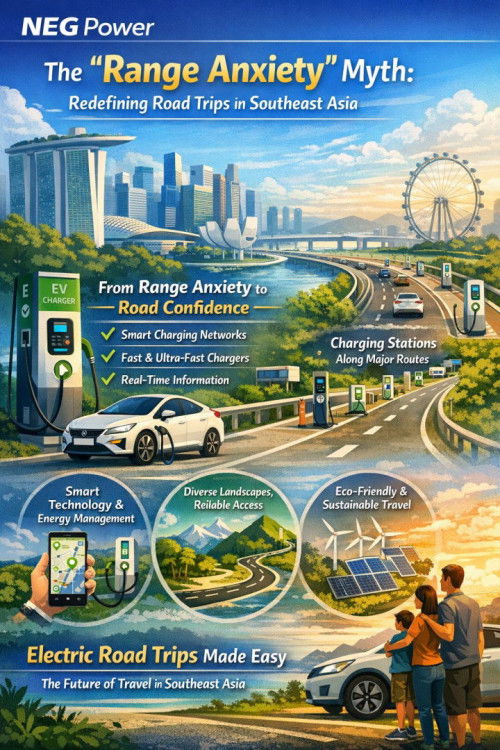
Off-Grid Freedom: Building a 100% Sustainable Remote Site with Portable Power & Foldable Solar — Neg
The demand for reliable power in remote locations is growing rapidly as industries move beyond traditional grid dependence. Construction sites, outdoor events, and temporary installations often operate in areas where grid access is limited, unstable, or entirely unavailable. In these scenarios, off-grid solutions are no longer a luxury but a necessity. Off-grid freedom represents the ability to operate independently, sustainably, and efficiently without compromising performance or safety. By combining portable power solutions with foldable solar technology, remote sites can achieve complete energy autonomy while meeting modern sustainability expectations. At the heart of this transformation is the shift from fuel-based generators to clean, portable power units designed for versatility and resilience. Portable power stations provide consistent electricity without the noise, emissions, and logistical challenges associated with diesel or petrol generators. When paired with foldable solar panels, these systems create a self-sustaining ecosystem that harnesses renewable energy while delivering dependable power around the clock. This approach aligns with environmental goals while also offering operational advantages for businesses and organizers working in challenging environments. The TANK 3600 represents a new generation of portable power designed specifically for demanding applications. Built to handle high loads and continuous operation, it offers a practical alternative to conventional generators. Its robust design ensures durability in harsh conditions, making it suitable for construction sites, outdoor productions, and remote work zones. Unlike traditional solutions, it delivers silent operation, which is particularly valuable in residential construction areas or event spaces where noise control is critical. One of the defining strengths of the TANK 3600 is its integration with foldable solar panels. Foldable solar technology allows renewable energy to be deployed quickly and efficiently without permanent installation. Panels can be transported easily, unfolded on-site, and repositioned as needed to maximize sunlight exposure. This flexibility makes solar power accessible even in temporary or constantly changing locations. Combined with portable power storage, solar energy can be captured during the day and used whenever required, including at night or during low-light conditions. Achieving a 100% sustainable remote site requires more than just generating renewable energy. It also depends on intelligent power management and reliable storage. Portable power units like the TANK 3600 act as centralized hubs, storing energy from solar panels and distributing it to equipment, tools, lighting, and devices. This eliminates reliance on fossil fuels while ensuring uninterrupted operation. Modern energy storage systems are designed to balance supply and demand efficiently, preventing power shortages and reducing waste. For construction sites, off-grid power independence offers significant operational benefits. Remote projects often face delays due to fuel shortages, generator maintenance, or grid connection issues. Portable power and foldable solar solutions remove these obstacles by providing instant access to electricity. Tools and machinery can operate consistently, improving productivity and reducing downtime. The absence of fuel logistics also simplifies site management, allowing teams to focus on project execution rather than energy supply challenges. Outdoor events present a different set of requirements, including aesthetic considerations, safety, and audience experience. Silent, emission-free power enhances the atmosphere while ensuring compliance with environmental regulations. Portable power stations paired with foldable solar panels allow event organizers to power lighting, sound systems, and digital equipment without visible generators or fuel storage. This clean energy approach supports sustainable branding and meets the expectations of increasingly eco-conscious audiences. Become a member Another key advantage of portable power solutions is scalability. Remote sites vary in size and power demand, and flexible systems can adapt accordingly. Multiple foldable solar panels can be deployed to increase energy generation, while portable power units can be added to expand storage capacity. This modular approach ensures that power infrastructure grows in line with project requirements, avoiding overinvestment or underutilization. Scalability also supports long-term sustainability by enabling gradual expansion rather than sudden, resource-intensive upgrades. Durability and reliability are essential in remote environments where technical support may not be immediately available. Portable power units designed for off-grid use prioritize rugged construction and user-friendly operation. The TANK 3600 is engineered to withstand dust, temperature variations, and continuous use, ensuring dependable performance under demanding conditions. Foldable solar panels are similarly designed for resilience, using reinforced materials that maintain efficiency while enduring outdoor exposure. Sustainability extends beyond emissions reduction to include overall resource efficiency. Fuel-powered generators require regular refueling, oil changes, and part replacements, contributing to waste and environmental impact. In contrast, solar-powered portable systems rely on renewable energy and minimal consumables. Over time, this reduces operational costs and environmental footprint. For organizations committed to responsible practices, investing in portable power and solar solutions demonstrates a tangible commitment to sustainability. Safety is another critical consideration when building off-grid sites. Fuel storage poses fire and spill risks, particularly in temporary or outdoor environments. Portable power stations eliminate these hazards by operating without combustible fuels. Foldable solar panels generate electricity safely and quietly, reducing risk to personnel and equipment. This improved safety profile supports compliance with regulations and enhances confidence among workers and stakeholders. The transition to off-grid power also aligns with broader trends in energy decentralization. As grid infrastructure faces increasing strain, decentralized solutions offer resilience and independence. Portable power units combined with solar generation enable sites to operate regardless of external disruptions. This resilience is particularly valuable in remote regions where weather or infrastructure limitations can affect grid reliability. By investing in self-sufficient power systems, organizations gain control over their energy supply. Ease of deployment is a defining feature of modern portable power solutions. Traditional power infrastructure often requires extensive planning, installation, and permitting. In contrast, foldable solar panels and portable power stations can be set up quickly with minimal technical expertise. This rapid deployment supports agile operations, allowing sites to become functional within hours rather than days. For time-sensitive projects or events, this speed is a significant advantage. Maintenance simplicity further enhances the appeal of portable power systems. Solar panels require minimal upkeep, and modern power stations are designed for long service life with limited intervention. This reduces maintenance costs and downtime, contributing to overall efficiency. Over the lifespan of a project, these savings can be substantial, reinforcing the economic case for sustainable off-grid solutions. The concept of off-grid freedom represents more than technological innovation. It reflects a shift in mindset toward self-reliance, sustainability, and adaptability. Portable power units like the TANK 3600, combined with foldable solar panels, empower organizations to operate responsibly in any location. By embracing renewable energy and efficient storage, remote sites can achieve full energy independence without sacrificing performance. In conclusion, building a 100% sustainable remote site is both achievable and practical with the right combination of technology. Portable power solutions and foldable solar panels provide clean, reliable energy for construction sites and outdoor events alike. The integration of advanced energy storage systems ensures consistent power availability while maximizing renewable energy use. As industries continue to seek flexible and sustainable solutions, off-grid power systems offer a clear path toward operational resilience, environmental responsibility, and true energy freedom. Pop over here : https://www.negpower.sg/
Read more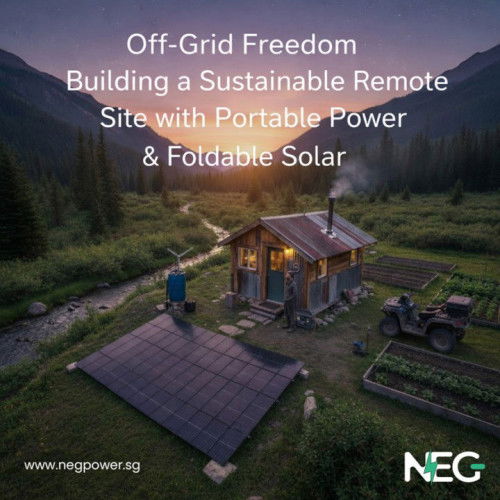
Electric Vehicle Chargers: Powering Singapore’s Sustainable Future — Neg Power Singapore
The global push towards sustainability has put electric vehicles (EVs) at the forefront of green transportation. As concerns about carbon emissions, climate change, and fossil fuel depletion rise, EV adoption has surged, driven by technological advancements and policy initiatives. A crucial component in the EV ecosystem is the charging infrastructure. Electric vehicle charger in Singapore play a pivotal role in ensuring the success of sustainable transportation by providing convenient and efficient energy solutions for electric cars. This article explores the significance of electric car chargers in promoting sustainability and the various factors shaping their adoption and future development. The Growing Importance of Electric Vehicles in Sustainable Transportation The transportation sector is a major contributor to global carbon emissions, accounting for nearly 25% of total emissions. Traditional internal combustion engine (ICE) vehicles rely on fossil fuels, releasing harmful pollutants into the atmosphere. EVs, powered by electricity, significantly reduce greenhouse gas emissions, making them an environmentally friendly alternative. However, their efficiency and convenience largely depend on the availability and advancement of electric vehicle chargers. Reducing Carbon Footprint with EV Adoption Electric vehicles have the potential to decrease dependence on fossil fuels and mitigate climate change. Unlike conventional cars, EVs produce zero tailpipe emissions, reducing air pollution in urban areas. Furthermore, the use of renewable energy sources, such as solar and wind power, to charge EVs further enhances their sustainability. By transitioning from gasoline and diesel-powered vehicles to EVs, societies can significantly cut down their overall carbon footprint. Electric Vehicle Chargers: Enabling Widespread EV Adoption A well-developed charging infrastructure is essential for the success of electric vehicles. Without reliable and accessible electric car chargers, range anxiety — concerns about running out of battery before reaching a charging station — remains a barrier to EV adoption. Investing in robust charging solutions ensures that drivers have confidence in making the switch from traditional vehicles to electric ones. Types of Electric Vehicle Chargers Level 1 Chargers: These chargers use a standard household outlet (120V) and are best suited for overnight charging at home. While convenient, they are relatively slow, adding only 3–5 miles of range per hour. Level 2 Chargers: Operating at 240V, these chargers significantly reduce charging time, offering 10–60 miles of range per hour. They are commonly found in homes, workplaces, and public charging stations. DC Fast Chargers: Designed for rapid charging, these chargers operate at higher and can provide 60–100 miles of range in just 20 minutes. They are ideal for highway locations and urban centers where quick charging is necessary. Each type of electric vehicle charger Singapore serves a specific purpose, contributing to a more comprehensive charging network that meets diverse user needs. The Role of Charging Infrastructure in Sustainable Transportation Expanding Public Charging Networks To encourage EV adoption, expanding public charging networks is crucial. Governments and private entities worldwide are investing in the deployment of electric car chargers in parking lots, shopping centers, highways, and residential areas. The availability of public charging stations alleviates range anxiety and encourages more consumers to switch to EVs. Smart Charging and Grid Integration Modern electric vehicle chargers in Singapore are equipped with smart charging technology that optimizes energy usage. Smart charging systems can: Schedule charging during off-peak hours to reduce strain on the power grid. Adjust charging speeds based on grid demand and availability of renewable energy sources. Enable bi-directional charging, allowing EVs to supply energy back to the grid during peak demand periods (vehicle-to-grid technology). These innovations enhance energy efficiency, making the EV ecosystem more sustainable and resilient. Home Charging Solutions and Renewable Energy Integration Many EV owners prefer to charge their vehicles at home, making home charging solutions an integral part of sustainable transportation. Home electric car chargers, especially Level 2 chargers, provide a convenient and efficient way to recharge overnight. Additionally, homeowners can integrate their charging stations with solar panels to further reduce their reliance on non-renewable energy sources. Workplace Charging Incentives Encouraging workplace charging is another effective strategy to support EV adoption. Employers can install electric vehicle chargers in office parking areas, providing employees with an easy way to charge during work hours. Such initiatives not only promote sustainability but also attract environmentally conscious talent. Challenges in Expanding Charging Infrastructure Despite the rapid progress in EV adoption, several challenges hinder the widespread deployment of electric car chargers. High Installation Costs Setting up public and private charging stations requires significant investment. The cost of purchasing and installing electric vehicle chargers Singapore varies depending on the type and location, often posing financial challenges for businesses and individuals. Grid Capacity and Energy Demand As EV adoption grows, the demand for electricity will increase. This poses challenges for power grids, especially in regions with aging infrastructure. Upgrading grids to handle higher loads while ensuring energy sustainability is a key challenge for policymakers and energy providers. Standardization and Compatibility Issues Different manufacturers use varying charging connectors and protocols, leading to compatibility issues among electric car chargers. Efforts are being made to standardize charging ports and software, ensuring seamless interoperability across different EV brands and models. Future Trends in Electric Vehicle Charging Wireless Charging Technology Wireless or inductive charging is an emerging technology that allows EVs to charge without physical cables. By embedding charging pads in roads or parking spaces, EVs can recharge effortlessly, improving convenience and accessibility. Ultra-Fast Charging Advancements in battery and charging technology are making ultra-fast charging a reality. Some next-generation electric vehicle chargers can provide a full charge in less than 10 minutes, significantly reducing downtime and making EVs more practical for long-distance travel. Integration with Renewable Energy Sources As renewable energy adoption increases, electric car chargers will be more frequently powered by solar, wind, and hydroelectric sources. This will further reduce the carbon footprint of EVs, making transportation even more sustainable. The role of electric vehicle chargers in Singapore in supporting sustainable transportation cannot be overstated. By facilitating convenient and efficient charging, these chargers enable the widespread adoption of EVs, reducing reliance on fossil fuels and minimizing environmental impact. Investment in charging infrastructure, smart grid integration, and renewable energy compatibility will be key to ensuring a future where EVs become the norm. As technology advances and governments prioritize sustainability, the future of electric car chargers looks promising. With continuous improvements in charging speed, efficiency, and accessibility, EVs will play a significant role in shaping a cleaner and greener world. Pop over here : https://www.negpower.sg/
Read more
I work in office 9-6 and will return to work soon. My husband working at home. As of now it is only both me and my husband taking care of our newborn (2months). We have no extended family here as we are foreigners. Is there any recommendation of daytime care beside infant care? or ad hoc care (certain days only)? #Needadvice #firsttimemom
Read more