 Silver
The Pets Workshop, Singapore
The Science of the Anal Gland: Why professional expression is a critical part of the basic dog groom
When people think about grooming a dog, they usually imagine brushing, bathing, trimming fur, and cleaning ears. However, one of the most important yet often overlooked aspects of canine hygiene involves the anal glands. These small scent glands play a significant role in a dog’s natural communication and health. Understanding their function and the importance of proper maintenance can help prevent discomfort, infection, and more serious medical complications. This is why professional anal gland expression has become an essential component of a comprehensive dog grooming Singapore routine. Anal glands, also known as anal sacs, are two small sacs located on either side of a dog’s anus. These glands contain a fluid that produces a strong scent unique to each dog. In the wild, this scent helped dogs mark territory and communicate with other animals. When a dog defecates, the pressure from the stool typically causes the glands to release a small amount of this fluid naturally. In healthy dogs, this process occurs automatically without any need for assistance. However, not all dogs are able to empty their anal glands naturally. Various factors such as diet, body structure, obesity, or insufficient fiber intake can prevent proper gland expression. When the glands fail to empty regularly, the fluid inside them begins to thicken and accumulate. Over time, this buildup can lead to discomfort, swelling, and even painful infections. At this stage, professional attention becomes necessary to relieve the pressure and restore normal gland function. Many dog owners first notice a problem when their pet begins displaying unusual behavior. One of the most common signs is scooting, where the dog drags its rear across the floor or ground in an attempt to relieve irritation. Other symptoms may include excessive licking around the tail area, a strong fishy odor, swelling near the anus, or signs of pain when sitting. These symptoms indicate that the anal glands may be full or impacted and require immediate attention. Within a proper dog grooming routine, trained groomers are often able to identify these early warning signs. Grooming professionals are trained to recognize subtle physical and behavioral indicators that a dog may be experiencing gland-related discomfort. Because they handle dogs regularly, they can detect abnormalities quickly and perform safe, hygienic gland expression before the condition worsens. Professional expression involves carefully applying pressure to the glands to release the accumulated fluid. While this may sound simple, the process requires proper knowledge of canine anatomy and correct technique. Incorrect handling can cause injury, rupture of the glands, or worsen an existing infection. This is why veterinary professionals and certified groomers strongly advise against inexperienced owners attempting the procedure without proper training. In many grooming salons, anal gland expression is included as part of the standard hygiene check during a full dog grooming appointment. During the grooming process, professionals inspect the dog’s coat, skin, ears, nails, teeth, and anal area to ensure overall cleanliness and health. If the glands appear swollen or impacted, they may perform external expression to relieve the pressure and prevent further complications. Regular professional grooming also allows groomers to monitor recurring issues. Some dogs are naturally more prone to anal gland problems than others. Small breeds, overweight dogs, and dogs with allergies or digestive issues may experience more frequent gland impaction. By incorporating anal gland care into the dog grooming Singapore schedule, professionals can track patterns and recommend appropriate grooming intervals or dietary adjustments to reduce future problems. Diet plays a surprisingly important role in anal gland health. Dogs that consume diets low in fiber may produce softer stools that fail to apply sufficient pressure on the glands during defecation. Fiber helps create firmer stools, which naturally assist in emptying the glands. Many veterinarians recommend fiber-rich diets or supplements to dogs that frequently experience gland issues. When combined with routine dog grooming care, dietary adjustments can significantly reduce the frequency of gland blockages. Another factor that influences anal gland function is a dog’s overall physical condition. Obesity can affect the muscles responsible for natural gland expression. Overweight dogs may struggle to empty their glands effectively due to reduced muscle tone and increased pressure in surrounding tissues. Maintaining a healthy weight through exercise and balanced nutrition helps support proper gland function and reduces the likelihood of impaction. If untreated, impacted anal glands can progress into more severe medical conditions. The fluid trapped inside the glands becomes thick and infected, forming an abscess. Abscessed glands are extremely painful and may rupture through the skin, causing bleeding and severe inflammation. In such cases, veterinary intervention becomes necessary, and treatment may involve antibiotics, surgical drainage, or in rare cases, gland removal. Preventive care through professional dog grooming greatly reduces the risk of reaching this advanced stage. Professional groomers also maintain strict hygiene standards during gland expression. Because the fluid released from the glands contains bacteria and strong odors, the procedure must be handled carefully to prevent contamination. Groomers use gloves, proper sanitation techniques, and specialized cleaning products to ensure that the dog remains comfortable and the grooming environment stays hygienic. Beyond the medical benefits, addressing anal gland health contributes to a dog’s overall comfort and well-being. Dogs experiencing gland pressure often show signs of irritation, restlessness, or behavioral changes. Once the glands are properly expressed, many dogs display immediate relief and return to their normal, playful behavior. This improvement highlights how essential anal gland care can be within a complete dog grooming program Singapore. Education is another key aspect of responsible grooming services. Professional groomers often guide pet owners on how to identify early symptoms and maintain preventive care at home. While the actual expression should be performed by trained individuals, owners can support gland health through proper diet, regular exercise, and consistent grooming appointments. In modern pet care, grooming is no longer viewed as purely cosmetic. It has evolved into a critical component of preventive healthcare. A comprehensive dog grooming routine ensures that dogs remain clean, comfortable, and free from hidden health issues that might otherwise go unnoticed. Anal gland maintenance represents one of the many behind-the-scenes services that contribute to a dog’s long-term health. Ultimately, understanding the science of anal glands emphasizes the importance of professional care. These small glands may be easy to overlook, but their impact on a dog’s health is significant. Regular grooming sessions performed by trained professionals help detect problems early, provide necessary relief, and prevent painful infections from developing. By integrating anal gland expression into routine dog grooming Singapore practices, pet owners can ensure that their dogs enjoy better hygiene, improved comfort, and reduced risk of serious medical complications. Professional grooming not only enhances a dog’s appearance but also supports essential aspects of canine health that every responsible pet owner should recognize and prioritize. Visits us : https://www.thepetsworkshop.com.sg/
Read more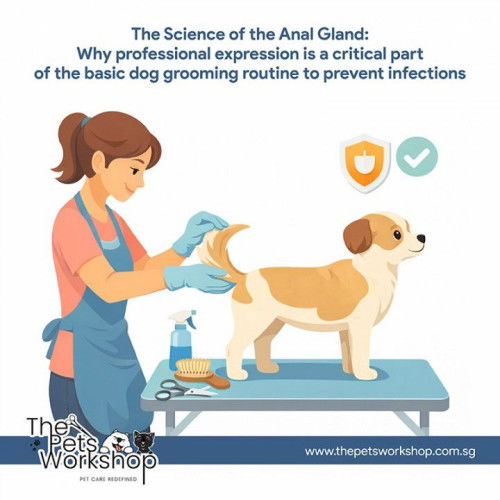

Mastering the Lamb Clip: The Art and Science Behind the Classic Poodle Cut-The Pets Workshop
The Lamb Clip is one of the most recognizable and enduring styles in the world of Poodle grooming. Elegant yet practical, it preserves the breed’s natural outline while showcasing balance, symmetry, and refined scissoring technique. For breed enthusiasts and grooming purists, mastering the Lamb Clip is both an artistic pursuit and a technical discipline. It demands anatomical knowledge, precision control, and a trained eye for proportion. To truly learn pet grooming Singapore at an advanced level, few styles offer a more complete education than this classic cut. At first glance, the Lamb Clip appears simple. The body coat is left longer than in sporting trims, the legs are shaped into soft cylindrical columns, and the face, feet, and base of the tail are cleanly shaved. Yet the simplicity is deceptive. The elegance of the finish depends entirely on scissor work, coat preparation, and the groomer’s ability to sculpt without removing essential structure. Every line must flow, every transition must be seamless, and every angle must respect the Poodle’s conformation. Preparation forms the scientific foundation of the Lamb Clip. The coat must be thoroughly bathed, conditioned, and high-velocity dried to achieve a straight, lifted texture. Proper fluff drying stretches the curl and reveals inconsistencies that would otherwise hide in natural wave. Without meticulous preparation, even the most skilled scissoring will lack clarity. Coat preparation determines the final silhouette, because scissoring compressed curls leads to uneven finish once the dog moves or the coat settles. Understanding canine anatomy is equally critical. The Lamb Clip enhances the natural angulation of the shoulders and hindquarters while maintaining a level topline. Groomers must visualize skeletal landmarks beneath the coat. The point of shoulder, prosternum, rib spring, tuck-up, and stifle angulation guide the sculpting process. Removing too much coat in one region distorts proportion, while leaving excess weight elsewhere can make the dog appear unbalanced. The art lies in emphasizing strengths and subtly minimizing faults. The body of the Lamb Clip is typically scissored to a moderate length that follows the natural contour of the dog. Unlike more dramatic trims, this style avoids exaggerated volume. Instead, it favors a smooth jacket that hugs the torso without clinging. Achieving this look requires disciplined scissor-over-comb technique. The comb lifts the coat evenly while straight shears create controlled, uniform removal. The key is maintaining consistent pressure and angle, ensuring the body remains streamlined. Leg work defines the Lamb Clip’s visual harmony. The legs should resemble soft columns, slightly fuller at the top and narrowing subtly toward the pastern. This taper creates an illusion of strength and elegance. Groomers must constantly step back to assess symmetry. Even a slight imbalance in width can disrupt the dog’s stance. Curved shears help refine the cylindrical shape, but overuse can produce artificial roundness. The objective is organic smoothness, not sculpted excess. Transitions are where mastery becomes evident. The blending from body to leg must be seamless, with no harsh shelf or visible line of demarcation. This requires careful thinning shear work and controlled layering. Groomers often use subtle scissor flicking motions to soften edges while preserving volume. The transition at the shoulder and hip is especially important, as these areas influence movement perception. Clean blending enhances the illusion of fluid motion even when the dog is standing still. The head in a Lamb Clip remains refined and balanced. The clean-shaven face highlights expression and eye clarity. The topknot, while not exaggerated, should be proportionate and oval in shape when viewed from the front. Scissoring the topknot involves shaping from the outer corner of the eye upward and blending into the occiput without creating sharp corners. The ear set must appear harmonious with the skull width, and thinning shears are frequently used to refine edges without harsh bulk. Tail presentation completes the silhouette. The base is shaved clean, and the pom or plume is shaped to complement overall proportions. It should neither overpower the rear nor appear sparse. Groomers must evaluate tail carriage when shaping, as natural position affects perceived balance. Precision in this area elevates the final impression from tidy to iconic. From a technical standpoint, tool selection plays a major role. Straight shears provide structural lines, curved shears assist with rounding and contour, and thinning shears refine and blend. Each tool serves a distinct purpose. Mastery requires knowing when to switch tools and how to maintain scissor ergonomics for consistent control. Blade sharpness and alignment directly influence finish quality. Even minor dullness can leave visible scissor marks in a well-prepared coat. Lighting and viewing angles also influence precision. Groomers often rotate the dog and change their own stance to detect uneven planes. Observing the outline against contrasting backgrounds can reveal irregularities in silhouette. This analytical approach transforms grooming into a study of geometry and form. Movement assessment adds another layer of expertise. A Lamb Clip should complement the Poodle’s athletic gait. Excessive bulk around joints can restrict motion visually, while uneven trimming can exaggerate flaws. Watching the dog walk after preliminary scissoring allows final refinements that enhance flow. Groomers dedicated to excellence understand that the clip must perform dynamically, not just appear balanced on the table. For grooming enthusiasts, the Lamb Clip offers an ongoing study in refinement. Each dog presents unique coat density, texture, and conformation. Adapting technique while maintaining breed standard demands both creativity and discipline. It is a style that rewards patience and continuous observation. Many professionals consider it a benchmark of skill because flaws are immediately visible in its clean simplicity. Education and repetition remain essential for those seeking to perfect this trim. Workshops, mentorship, and hands-on practice sharpen both eye and technique. To learn pet grooming Singapore at a deeper level, studying the Lamb Clip builds foundational scissoring confidence applicable to many other styles. It trains the groomer to respect anatomy, prioritize balance, and refine detail with intention. Ultimately, mastering the Lamb Clip represents a convergence of art and science. The science lies in anatomy, coat preparation, tool mechanics, and structural proportion. The art emerges in the subtle shaping, the seamless transitions, and the intuitive understanding of balance. When executed with precision, the Lamb Clip transforms a well-bred Poodle into a living sculpture of elegance and athleticism. For those devoted to grooming craft, it remains both a challenge and a timeless expression of skill. Visits us : https://www.thepetsworkshop.com.sg/
Read more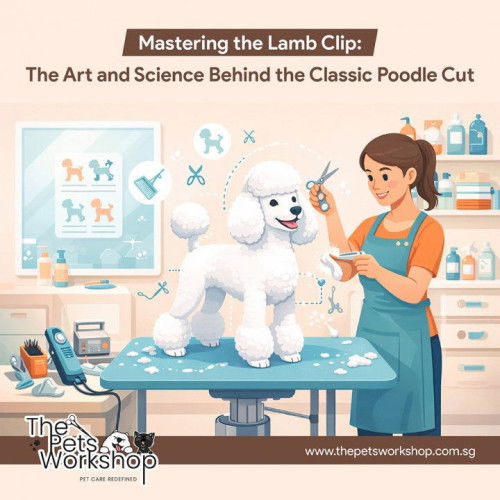
What Actually Happens in a Professional SKC Class C Grooming Course?-The Pets Workshop
A professional SKC Class C grooming course is designed to transform a beginner with interest in animals into someone who understands the discipline, structure, and responsibility behind professional grooming. While many people imagine grooming as simply bathing and trimming a pet, the reality inside a structured learning environment is far more comprehensive. A professional pet grooming course Singapore typically combines detailed theory, guided demonstrations, and extensive practical work so that students develop both knowledge and technical ability. The 60-lesson curriculum is carefully arranged to ensure that every stage of learning builds upon the previous one, allowing students to move from basic understanding to confident hands-on practice. The course usually begins with a strong theoretical foundation. Before students pick up grooming tools, they are introduced to the science behind animal care. Understanding anatomy is one of the earliest topics in the program. Students learn about skeletal structure, muscle groups, skin layers, and coat types. This knowledge is essential because grooming decisions must always consider the physical structure and comfort of the animal. In a professional pet grooming course, anatomy is not taught only as theory; it becomes a reference point for every grooming technique that follows. By understanding how a dog’s body is built, students learn how to position animals safely and avoid causing stress or discomfort. Behavior and temperament studies also play an important role in the theoretical portion of the curriculum. Groomers interact with animals that may feel anxious, excited, or unfamiliar with the grooming process. Lessons focus on recognizing behavioral signals, understanding body language, and responding calmly to different temperaments. Students are taught that patience and observation are just as important as technical skill. In many professional pet grooming course programs, behavior training appears repeatedly throughout the curriculum because handling animals safely requires constant awareness and adjustment. As students progress through the 60-lesson structure, theoretical learning begins to merge with practical demonstrations. Instructors introduce grooming tools and explain how each one functions. Clippers, scissors, combs, brushes, dryers, and safety equipment are examined in detail. Students learn how to maintain tools, how to choose the correct blade or attachment, and how to hold equipment properly. Even something that seems simple, like brushing a coat, is broken down into technique, direction, and pressure. A professional pet grooming course Singapore emphasizes that precision matters at every stage, from preparation to finishing touches. Once the foundational knowledge is established, practical sessions become more frequent. These sessions form a significant part of the learning experience. Students begin by observing instructors perform grooming routines step by step. Each movement is explained clearly so that learners understand not only what to do but why the technique is important. Watching experienced professionals work provides valuable insights into timing, posture, and workflow. In a professional pet grooming course, observation is considered an essential bridge between theory and independent practice. Hands-on experience gradually becomes the central focus of the program. Students start working directly with animals under supervision, applying the concepts they have learned in earlier lessons. The grooming process typically follows a structured sequence that includes coat preparation, bathing, drying, brushing, trimming, and finishing. Each stage teaches students how preparation influences the final result. For instance, proper bathing and drying can determine how easily a coat can be shaped later. Through repetition and feedback, students refine their technique and build confidence with each session. A professional SKC Class C grooming course is designed to transform a beginner with interest in animals into someone who understands the discipline, structure, and responsibility behind professional grooming. While many people imagine grooming as simply bathing and trimming a pet, the reality inside a structured learning environment is far more comprehensive. A professional pet grooming course Singapore typically combines detailed theory, guided demonstrations, and extensive practical work so that students develop both knowledge and technical ability. The 60-lesson curriculum is carefully arranged to ensure that every stage of learning builds upon the previous one, allowing students to move from basic understanding to confident hands-on practice. The course usually begins with a strong theoretical foundation. Before students pick up grooming tools, they are introduced to the science behind animal care. Understanding anatomy is one of the earliest topics in the program. Students learn about skeletal structure, muscle groups, skin layers, and coat types. This knowledge is essential because grooming decisions must always consider the physical structure and comfort of the animal. In a professional pet grooming course, anatomy is not taught only as theory; it becomes a reference point for every grooming technique that follows. By understanding how a dog’s body is built, students learn how to position animals safely and avoid causing stress or discomfort. Behavior and temperament studies also play an important role in the theoretical portion of the curriculum. Groomers interact with animals that may feel anxious, excited, or unfamiliar with the grooming process. Lessons focus on recognizing behavioral signals, understanding body language, and responding calmly to different temperaments. Students are taught that patience and observation are just as important as technical skill. In many professional pet grooming course programs, behavior training appears repeatedly throughout the curriculum because handling animals safely requires constant awareness and adjustment. As students progress through the 60-lesson structure, theoretical learning begins to merge with practical demonstrations. Instructors introduce grooming tools and explain how each one functions. Clippers, scissors, combs, brushes, dryers, and safety equipment are examined in detail. Students learn how to maintain tools, how to choose the correct blade or attachment, and how to hold equipment properly. Even something that seems simple, like brushing a coat, is broken down into technique, direction, and pressure. A professional pet grooming course Singapore emphasizes that precision matters at every stage, from preparation to finishing touches. Once the foundational knowledge is established, practical sessions become more frequent. These sessions form a significant part of the learning experience. Students begin by observing instructors perform grooming routines step by step. Each movement is explained clearly so that learners understand not only what to do but why the technique is important. Watching experienced professionals work provides valuable insights into timing, posture, and workflow. In a professional pet grooming course, observation is considered an essential bridge between theory and independent practice. Hands-on experience gradually becomes the central focus of the program. Students start working directly with animals under supervision, applying the concepts they have learned in earlier lessons. The grooming process typically follows a structured sequence that includes coat preparation, bathing, drying, brushing, trimming, and finishing. Each stage teaches students how preparation influences the final result. For instance, proper bathing and drying can determine how easily a coat can be shaped later. Through repetition and feedback, students refine their technique and build confidence with each session. Another key component of the curriculum is hygiene and safety. Grooming environments must maintain strict cleanliness to protect both animals and professionals. Lessons explain sanitation procedures, equipment cleaning methods, and workspace organization. Students also learn how to identify potential health concerns on the skin or coat of an animal. Although grooming is not a veterinary practice, awareness of basic health indicators helps groomers recognize when further professional care may be needed. A professional pet grooming course reinforces that responsible grooming includes maintaining safe, clean, and attentive working conditions. Throughout the 60 lessons, instructors emphasize consistency and discipline. Grooming requires careful attention to detail, and students are encouraged to develop steady routines. Practice sessions often focus on refining specific techniques repeatedly until they become natural. At least one portion of the training may concentrate on improving scissoring control and coat shaping, which requires patience and steady hand movements. At least another part of the course is dedicated to understanding coat textures and how different grooming approaches affect the final appearance. Students also learn about workflow and time management within a grooming session. Professional groomers must balance quality with efficiency while ensuring that animals remain comfortable throughout the process. Lessons discuss how to organize tasks logically so that grooming proceeds smoothly. At least one training segment often focuses on preparing the workspace and arranging tools before the grooming begins. This preparation helps prevent unnecessary interruptions and allows groomers to maintain focus on the animal. Communication and professionalism are also discussed as part of the curriculum. Groomers frequently interact with pet owners who rely on them to care for their animals responsibly. Students learn how to listen to client expectations, explain grooming processes, and maintain professional conduct. In a professional pet grooming course Singapore, these skills are introduced alongside technical training because they contribute to a successful grooming career. As students move toward the final stages of the program, practical sessions become more comprehensive. Learners begin managing complete grooming routines from start to finish while instructors observe and guide them. These sessions provide an opportunity to apply everything covered in previous lessons. At least four separate practical assessments may take place during the training period to evaluate progress, technique, and confidence. Each assessment helps students understand their strengths and identify areas for improvement. By the end of the 60-lesson journey, students have experienced a balanced combination of theoretical learning and practical application. They have studied anatomy and behavior, practiced equipment handling, and worked directly with animals under professional supervision. A professional pet grooming course structured in this way ensures that graduates are not only capable of performing grooming tasks but also understand the reasoning behind every step. Ultimately, the goal of a professional SKC Class C grooming course is to build well-rounded grooming professionals who approach their work with knowledge, patience, and responsibility. Through a carefully structured blend of theory and hands-on practice, students gain the confidence required to handle real grooming situations. What begins as curiosity about animal care gradually develops into practical skill and professional awareness. The behind-the-scenes structure of the 60-lesson curriculum reveals that grooming is not simply a routine task but a discipline that combines education, observation, and dedicated practice. Visits us : https://www.thepetsworkshop.com.sg/
Read more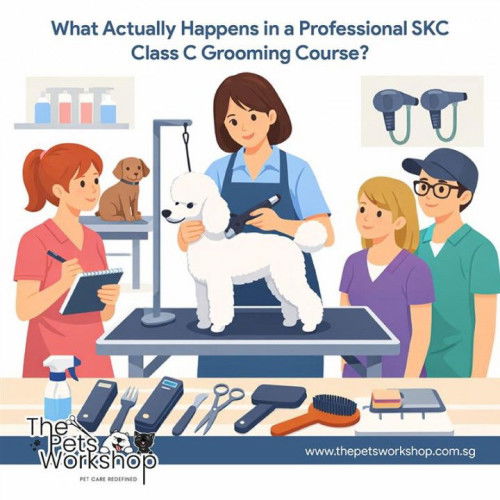
What to Expect When You Visit Multiple Outlets: The Pets Workshop Experience across Locations-The Pe
Visiting multiple outlets of The Pets Workshop gives pet owners a consistent yet uniquely reassuring experience. Each location reflects the same commitment to quality, professionalism, and animal wellbeing. Whether you arrive for supplies, consultation, or pet grooming Singapore, the environment feels organized and welcoming. The standardized approach ensures that customers know what to expect regardless of branch. This consistency builds trust and encourages repeat visits. At the same time, each outlet adapts to its local community, creating familiarity and comfort. Understanding what happens during these visits helps pet owners feel confident, prepared, and fully supported throughout their journey with their pets. From the moment you enter, you notice a clean, thoughtfully arranged space designed for efficiency and safety. Layouts are planned to separate retail areas from service zones, ensuring smooth operations. Friendly staff greet visitors promptly, offering guidance and answering questions. This welcoming interaction helps pets remain calm and owners feel at ease. Attention to cleanliness reflects strong hygiene standards essential for pet grooming and care. Equipment appears well maintained, reinforcing confidence in service quality. This organized environment ensures every visit begins positively, creating reassurance that your pet is in capable, attentive, and professional hands throughout the entire experience now always. Consistency across locations is one of the defining strengths customers quickly recognize. Processes are standardized, ensuring reliable service regardless of which outlet you choose. Staff training follows structured protocols, enabling teams to deliver the same level of care and professionalism. This reliability is especially important for pet grooming, where precision and familiarity contribute to positive outcomes. Owners appreciate knowing their pets will receive uniform attention and treatment. Predictability reduces anxiety and enhances satisfaction. It ensures that every visit reinforces trust, making it easier for customers to build long term relationships with the service provider and return confidently whenever needed always. Another key aspect is the professionalism of the team members. Employees demonstrate patience, attentiveness, and clear communication when interacting with both pets and owners. They take time to understand individual needs, ensuring personalized attention within a consistent service framework. This balance between standardization and customization improves overall satisfaction. During pet grooming sessions, handlers prioritize comfort and safety, carefully monitoring each animal’s response. Their calm demeanor reassures pets and builds owner confidence. Professional conduct extends beyond services, influencing every interaction and reinforcing the brand’s commitment to excellence and responsible animal care at every location visited always now and forever secure today. Facility design also contributes significantly to the overall experience. Each outlet is organized to minimize stress for animals while maximizing operational efficiency. Dedicated grooming areas provide controlled environments where pets receive focused care. Waiting zones are arranged to reduce crowding, supporting calm behavior. Proper ventilation and lighting enhance comfort for both pets and staff. Clean surfaces and organized tools reflect attention to detail. This thoughtful layout ensures pet grooming Singapore procedures are conducted safely and efficiently. By prioritizing comfort and cleanliness, each outlet creates an environment where pets feel secure and owners feel reassured about the quality of care provided always. Product availability is another highlight when visiting different outlets. Shelves are stocked with carefully selected items that support health, hygiene, and overall wellbeing. The consistent product range ensures familiarity while allowing customers to access essential supplies conveniently. Staff members are available to explain product functions and suitability. Their guidance helps owners make informed decisions aligned with their pets’ needs. This integration of retail and pet grooming services enhances convenience. Customers appreciate having access to trusted products and professional advice in one place, simplifying their responsibilities and improving overall pet care management significantly every day always now and forever secure today. Transparency in service processes further enhances customer confidence. Staff explain procedures, timelines, and expected outcomes clearly before beginning any service. This openness helps owners understand what their pets will experience. During pet grooming, communication remains ongoing, ensuring owners stay informed. Clear explanations reduce uncertainty and build trust. Customers value knowing that their pets are receiving attentive, responsible care. Transparent communication also demonstrates professionalism and accountability. This approach ensures customers feel respected and informed, strengthening relationships and encouraging continued reliance on the services provided across all locations consistently and confidently every single visit always guaranteed today now and forever secure always. Convenience remains a central benefit of visiting multiple outlets. Customers can choose locations based on proximity, schedule, or availability without sacrificing service quality. This flexibility makes it easier to maintain consistent care routines. Access to reliable pet grooming Singapore services across locations reduces disruptions and supports pet wellbeing. Owners appreciate the ability to rely on familiar standards regardless of branch. This accessibility simplifies planning and improves overall efficiency. Reliable availability ensures pets receive timely attention, supporting their comfort and health while helping owners manage their responsibilities with confidence and ease across changing schedules and commitments always now and forever secure today. Another important expectation is the emotional reassurance provided during each visit. Pets are sensitive to unfamiliar environments, and consistent surroundings help reduce stress. Familiar scents, procedures, and handling techniques create comfort. Skilled staff understand animal behavior and respond appropriately. Their attentiveness ensures pets remain calm throughout pet grooming sessions. Owners benefit from seeing their pets treated with patience and respect. This emotional reassurance strengthens trust and encourages long term loyalty. Positive experiences ensure pets associate visits with safety rather than anxiety, improving cooperation and overall wellbeing during future appointments across every location consistently always now and forever secure today guaranteed. Consistency also extends to customer service and support. Staff remain approachable, knowledgeable, and ready to assist with questions or concerns. Their professionalism reflects organizational standards maintained across all branches. Customers receive clear guidance, helping them feel confident in their decisions. Reliable assistance ensures smooth experiences from arrival to departure. This supportive approach enhances satisfaction and reinforces positive impressions. Pet grooming Singapore services are delivered with attention to detail and customer comfort. This consistent support strengthens relationships and ensures customers feel valued, respected, and confident in returning for future visits whenever needed always today now and forever secure guaranteed always today now. Visiting different outlets also reveals the brand’s commitment to operational excellence. Standard procedures ensure efficiency while allowing flexibility for individual pet needs. Quality control measures maintain consistent results across locations. Staff collaboration and ongoing training reinforce high standards. This commitment ensures reliable outcomes and professional service delivery. Pet grooming remains consistent, regardless of branch. Customers benefit from dependable quality and predictable experiences. This reliability strengthens trust and supports long term relationships. Consistent operational excellence ensures every location delivers the same high level of care and professionalism customers expect and appreciate always guaranteed today now and forever secure always today now. Ultimately, visiting multiple outlets provides reassurance, convenience, and consistent quality. Customers gain confidence knowing their pets will receive reliable care regardless of location. The combination of professional staff, organized facilities, and dependable pet grooming Singapore services creates a positive experience. Each visit reinforces trust and strengthens long term relationships. This consistency supports pet wellbeing and owner peace of mind. Reliable standards ensure every outlet reflects the same dedication to excellence. Customers can confidently rely on the experience, knowing their pets are treated with professionalism, care, and respect during every visit across all locations always guaranteed today now forever secure always today. Visits us : https://www.thepetsworkshop.com.sg/
Read more
Degreasing the Feline Coat: Understanding why cats get “stud tail” or greasy backs and how specializ
A sleek, shiny coat is often a hallmark of a healthy cat. However, some cats develop a greasy buildup at the base of their tails and along their lower backs, a condition commonly referred to as “stud tail” or feline tail gland hyperplasia. While the name may suggest a behavioral issue, the cause is largely physiological. Excessive oil production from the tail gland, combined with grooming habits and underlying health factors, leads to the visible greasy appearance that many cat owners notice. Understanding the causes, consequences, and solutions for this condition is essential for maintaining feline hygiene and overall well-being. The tail base of a cat contains a specialized sebaceous gland, which produces natural oils that coat the fur and skin. These oils serve several functions: they provide water resistance, protect against environmental irritants, and contribute to the cat’s unique scent markers. In most cats, these oils are distributed evenly through normal grooming behaviors. Cats are meticulous groomers, using their rough tongues to clean, detangle, and stimulate oil production across the coat. However, in certain cats, this balance is disrupted, leading to localized oil accumulation, particularly around the tail and lower back. “Stud tail” is a term used to describe the greasy, often matted area near the tail base, and it is more prevalent in unneutered males, though females and neutered males can also be affected. The condition is characterized by excess sebum production, sometimes accompanied by hair loss, foul odor, and secondary skin infections if not addressed promptly. The accumulation can make daily cat grooming Singapore challenging, as mats form easily and simple brushing may not suffice to redistribute the oils or remove buildup. Several factors contribute to the development of greasy coats and stud tail. Hormonal changes play a significant role, particularly in intact male cats, where androgenic hormones stimulate sebaceous gland activity. Age can also influence oil production, as older cats may have decreased grooming efficiency or altered gland function. Nutritional deficiencies, stress, or obesity may exacerbate the condition, as overweight cats may struggle to groom the tail area effectively. Additionally, underlying skin conditions, flea infestations, or dermatitis can further complicate the situation, creating an environment for persistent greasiness and discomfort. While regular at-home brushing and cat grooming Singapore can help maintain coat health, greasy buildup at the tail base often requires professional intervention. Specialized cat spas and grooming centers offer targeted treatments that address deep-seated oils without compromising the skin or overall coat integrity. Unlike routine home brushing, which primarily removes surface debris, professional degreasing treatments penetrate the hair shaft, lift excess sebum, and restore balance to the feline coat. The first step in professional management involves assessment. Cat grooming specialists examine the affected area, evaluate the extent of oil accumulation, check for mats, and screen for secondary infections or skin irritations. This careful evaluation ensures that the treatment plan addresses the root cause rather than merely masking symptoms. It also helps identify whether hormonal factors, diet, or underlying medical conditions contribute to the excessive greasiness. Degreasing treatments at cat spas typically involve the use of specialized shampoos, conditioners, and topical agents formulated to safely remove excess oils. These products are often pH-balanced for feline skin and contain gentle surfactants that lift sebum without stripping the coat of essential natural oils. Some treatments incorporate soothing ingredients like aloe vera or oatmeal to calm inflamed skin, while others use enzymatic or lipid-targeting formulas to break down stubborn grease at the follicle level. The application process is meticulous. Cats may be bathed in stages, with repeated lathering and gentle massaging to ensure even distribution of cleansing agents. Professional groomers pay particular attention to the tail base, lower back, and surrounding regions, where buildup tends to concentrate. Following degreasing, the coat is rinsed thoroughly to remove residue, minimizing irritation and ensuring a clean, non-greasy finish. Drying is conducted carefully, often with low-heat air or specialized towels, to prevent overheating and maintain the coat’s natural texture. Become a Medium member Post-treatment care is an essential component of managing stud tail. Cat grooming Singapore specialists often provide recommendations for ongoing at-home maintenance, such as targeted brushing, monitoring for recurring greasiness, and dietary adjustments to support skin and coat health. Regular follow-ups at a cat spa can prevent recurrence, as professional treatments complement routine care by addressing deeper oil deposits that daily brushing cannot remove. Nutritional support plays a complementary role in controlling excess oil production. A balanced diet rich in essential fatty acids, proteins, and micronutrients promotes healthy skin function and optimal coat condition. Some cats may benefit from supplements that enhance skin hydration and reduce inflammation, further supporting professional degreasing treatments. Cat grooming, combined with proper nutrition, creates a holistic approach that addresses both the symptoms and underlying contributors to stud tail. Behavioral considerations are also important. Cats that are stressed, anxious, or overweight may groom less effectively, which exacerbates oil buildup. Environmental enrichment, regular play, and weight management can enhance self-grooming behaviors, making professional treatments more effective and extending the time between spa sessions. Understanding each cat’s unique grooming habits and lifestyle is therefore critical to creating a long-term plan that maintains coat health. While stud tail and greasy coats can be unsightly, timely intervention minimizes discomfort and prevents more serious complications. Left untreated, severe oil accumulation can lead to matting, folliculitis, or bacterial infections that require veterinary care. Professional cat grooming centers provide safe, controlled treatments that remove grease without causing stress or injury, offering both aesthetic and health benefits. By maintaining a routine that combines professional degreasing with at-home care, cat owners can ensure that their pets remain comfortable, clean, and confident. In addition to treating existing buildup, preventive strategies are key. Regular brushing, particularly for long-haired breeds, distributes oils evenly, removes loose hairs, and reduces the likelihood of mat formation. Monitoring the tail area for early signs of greasiness or irritation allows intervention before the problem becomes pronounced. Even cats with short hair benefit from periodic checks and gentle grooming, which stimulate blood flow, improve coat shine, and reinforce natural grooming habits. Specialized cat spas also educate owners on recognizing early indicators of stud tail. Signs such as greasy patches, slight odor, or localized hair thinning can signal the need for intervention. Early professional cat grooming prevents escalation, reducing the likelihood of painful mats or skin infections and maintaining the cat’s overall hygiene. This proactive approach ensures that cats maintain a healthy coat without requiring harsh treatments or frequent, stressful baths. Ultimately, managing stud tail is a combination of education, observation, and professional care. Understanding the physiology of the feline coat, recognizing contributing factors, and implementing a comprehensive grooming strategy ensures that both short-term appearance and long-term health are addressed. Professional cat grooming specialists Singapore play a critical role in this process, providing deep cleaning treatments that restore balance, guidance on maintenance routines, and interventions tailored to each cat’s needs. The benefits of addressing greasy coats extend beyond aesthetics. A well-maintained coat enhances comfort, reduces odor, and minimizes the risk of skin irritation or infection. Cats enjoy grooming themselves more effectively when buildup is reduced, which reinforces positive behavior and overall well-being. Owners gain peace of mind knowing that professional care complements their at-home efforts, creating a healthier, more enjoyable relationship with their pets. In conclusion, stud tail and greasy feline coats are more than cosmetic concerns; they reflect underlying gland activity, grooming habits, and overall health. While home brushing and care are important, professional cat grooming treatments provide a targeted solution that removes deep-seated oils safely and effectively. By understanding the causes, implementing preventive strategies, and utilizing specialized spa interventions, cat owners can maintain sleek, healthy coats, prevent complications, and ensure that their pets remain comfortable and vibrant. Recognizing the importance of professional degreasing, combined with thoughtful at-home maintenance, is the key to managing this common feline issue while promoting long-term coat health and overall well-being. Pop over here : https://www.thepetsworkshop.com.sg/
Read more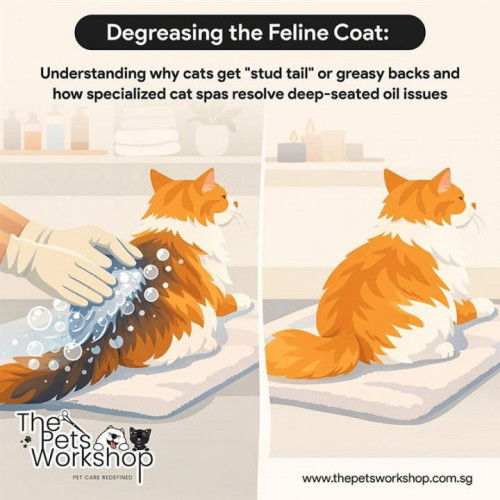
Managing the “Sanitary Trim”: A practical look at the importance of clipping paw pads and sanitary a
Active dogs bring energy, enthusiasm, and constant movement into daily life. Whether they enjoy long walks, outdoor play, or simply exploring every corner of their environment, their activity levels demand attentive care. One often overlooked aspect of maintenance is the sanitary trim. This practical grooming practice focuses on clipping paw pads and sanitary areas to maintain cleanliness, comfort, and hygiene. While it may not be as visually dramatic as a full haircut, it plays a crucial role in overall wellbeing. Understanding its importance helps owners approach dog grooming Singapore with greater awareness and responsibility toward their pets. Paw pads are essential contact points between a dog and the ground. They absorb impact, provide traction, and support balance. However, hair that grows between the pads can trap dirt, moisture, and debris. For active dogs, this buildup increases the risk of slipping, discomfort, and skin irritation. Trimming excess fur around the paw pads reduces these risks and improves stability. A clean surface allows the pads to function effectively, enhancing grip and movement. Regular maintenance of this area is a simple but significant part of dog grooming that directly contributes to mobility and safety. Moisture retention is another concern when paw pad hair is left unmanaged. Damp fur creates an environment where bacteria and fungi can thrive. Active dogs that frequently walk on wet grass, muddy trails, or damp surfaces are particularly vulnerable. Clipping the fur between the pads improves airflow and reduces moisture buildup. This simple step helps prevent infections and unpleasant odors. By prioritizing paw pad care, owners protect their dogs from avoidable health issues. Incorporating this into routine dog grooming supports both hygiene and long term paw health in energetic companions. The sanitary area also requires consistent attention. Fur around this region can collect waste residue, especially in active dogs with longer coats. Without trimming, this buildup may lead to matting, irritation, and hygiene concerns. A sanitary trim keeps the area clean and reduces the likelihood of discomfort. It also minimizes unpleasant smells that can develop when residue remains trapped in fur. Maintaining this area is not merely about appearance; it is about ensuring comfort and cleanliness. Responsible dog grooming Singapore includes caring for these sensitive regions to promote overall wellbeing. Active dogs often spend time running, jumping, and sitting on various surfaces. Excess fur around sanitary areas can trap environmental debris, including grass and dirt. This accumulation may cause itching or skin inflammation. By trimming carefully and regularly, owners reduce the risk of skin problems and maintain a healthier coat. Clean sanitary areas also make routine inspections easier. Early detection of redness or irritation becomes more manageable when fur is properly maintained. Through attentive dog grooming, owners create conditions that support both comfort and preventive care for their pets. Comfort plays a significant role in a dog’s behavior and mood. When paw pads or sanitary areas are neglected, discomfort may lead to excessive licking or biting. These behaviors can worsen irritation and increase the risk of infection. A well maintained trim reduces irritation and discourages these habits. Dogs that feel comfortable are more relaxed and content. Regular trimming becomes part of a proactive approach to care rather than a reactive solution to problems. By integrating sanitary trims into dog grooming routines, owners foster healthier habits and happier companions. Practicality is another advantage of maintaining a sanitary trim. Clean paw pads reduce the amount of dirt tracked indoors after outdoor activities. For active dogs, this can significantly improve household cleanliness. Similarly, trimmed sanitary areas minimize mess and simplify maintenance. This practical benefit encourages consistency in grooming practices. When hygiene routines become manageable, owners are more likely to maintain them regularly. Dog grooming thus extends beyond aesthetics to include daily functionality and convenience within the home environment. Safety is closely connected to paw pad maintenance. Excess hair can cause slipping on smooth surfaces, increasing the risk of minor injuries. Active dogs moving quickly across tile or hardwood floors benefit from trimmed pads that enhance traction. Improved grip supports confident movement and reduces accidental falls. This preventative measure may seem minor, but it contributes to overall safety. Dog grooming Singapore practices that address paw care help create a secure environment for energetic pets. Thoughtful maintenance protects both physical wellbeing and mobility. Professional dog grooming services often emphasize sanitary trims as part of comprehensive care. Groomers understand the technical precision required to trim sensitive areas safely. However, owners who choose to perform basic maintenance at home must approach the task carefully. Using appropriate tools and maintaining calm handling ensures the experience remains positive. Whether performed professionally or at home, consistency is key. Incorporating sanitary trims into a regular dog grooming schedule ensures ongoing hygiene and prevents buildup that could cause discomfort. Seasonal changes may also influence grooming needs. During warmer months, increased outdoor activity can lead to greater exposure to moisture and debris. Paw pad and sanitary trims become particularly important during these periods. In cooler seasons, longer coats may grow thicker, requiring attentive trimming to maintain cleanliness. Recognizing these shifts allows owners to adjust dog grooming routines accordingly. Flexibility ensures that active dogs remain comfortable regardless of weather conditions or activity levels. Communication between owners and groomers enhances results. Clear discussion about a dog’s lifestyle helps determine appropriate trimming frequency. Active dogs with dense coats may require more frequent attention than less active companions. By tailoring dog grooming routines to individual needs, owners provide personalized care. This approach ensures trims remain practical rather than excessive. Understanding each dog’s activity level and coat type supports balanced maintenance. Ultimately, managing the sanitary trim is about promoting health, hygiene, and comfort. Clipping paw pads enhances traction and prevents moisture related problems. Maintaining sanitary areas reduces irritation and supports cleanliness. Together, these practices form a practical foundation for responsible dog grooming Singapore. Active dogs thrive when their care routines align with their energetic lifestyles. By prioritizing these essential trims, owners demonstrate commitment to their pets’ wellbeing. Consistent attention to detail transforms routine grooming into a meaningful act of preventive care. In the end, a clean and comfortable dog is better equipped to enjoy every adventure with confidence and vitality. Visits us : https://www.thepetsworkshop.com.sg/
Read more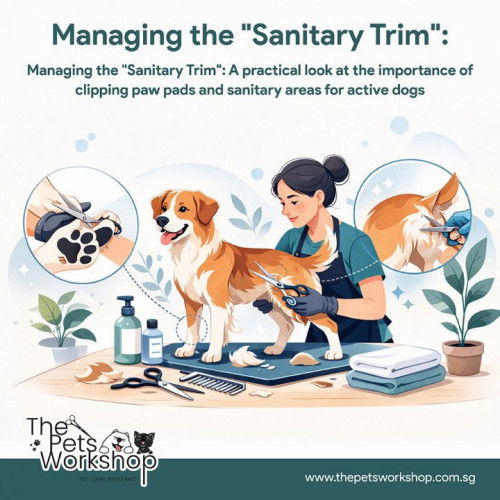
The Hidden Dangers of Long Nails: A deep dive into how overgrown nails lead to joint problems and sk
Long nails in dogs and cats are often dismissed as a minor cosmetic issue, yet they pose serious health risks that can quietly affect an animal’s quality of life. While many pet owners focus on diet, exercise, and vaccinations, nail length is frequently overlooked. Overgrown nails alter posture, disrupt natural movement, and place abnormal stress on joints and bones. Over time, these changes can lead to chronic pain, mobility issues, and long-term skeletal damage. Understanding the hidden dangers of long nails is essential for responsible pet care and overall animal wellbeing. Healthy nails are designed to support balance and traction. When nails are maintained at an appropriate length, dogs and cats distribute their weight evenly across their paws. This balanced alignment allows joints, muscles, and bones to function as intended. However, when nails grow too long, they interfere with this natural structure. The animal is forced to adjust how it stands and walks, often without obvious signs at first. These subtle changes can gradually evolve into serious orthopedic problems. One of the primary issues caused by overgrown nails is altered posture. As nails extend beyond the paw pad, they push against the ground with every step. This pressure forces the toes to splay unnaturally or curl upward, shifting the animal’s weight backward. The joints in the feet, legs, and spine compensate for this imbalance, leading to uneven stress distribution. Over time, this unnatural posture can strain tendons and ligaments, increasing the risk of inflammation and joint degeneration. Joint problems often develop gradually, making them difficult to detect in the early stages. Dogs and cats may continue normal activities while silently experiencing discomfort. As the joints absorb repeated abnormal pressure, cartilage begins to wear down. This process accelerates the onset of arthritis, particularly in the wrists, elbows, hips, and knees. Once joint damage progresses, it can significantly limit mobility and reduce an animal’s ability to perform everyday movements comfortably. Skeletal issues are another serious consequence of long nails. Bones are designed to bear weight in specific ways, and when posture is compromised, skeletal alignment can shift. Over time, this misalignment can affect the spine, leading to curvature or compression that places additional strain on surrounding muscles and nerves. In severe cases, prolonged imbalance can contribute to chronic back pain and reduced flexibility, impacting the animal’s overall physical health. Cats, despite their reputation for agility, are equally vulnerable to the effects of overgrown nails. Long nails can catch on surfaces, causing sudden jolts that strain joints and muscles. Additionally, cats rely heavily on precise paw placement for jumping and landing. When nails interfere with traction and balance, the risk of joint stress increases. Repeated strain during movement can gradually weaken joints, leading to stiffness and reduced mobility as the cat ages. Another hidden danger of long nails is the impact on gait. Gait refers to the way an animal walks, and even slight changes can have widespread effects. Overgrown nails alter stride length and foot placement, causing muscles to work harder to compensate. This constant compensation leads to muscle fatigue and uneven muscle development. Over time, imbalanced muscle strength further destabilizes joints and exacerbates skeletal stress. Get Thepetsworkshop’s stories in your inbox Join Medium for free to get updates from this writer. Enter your email Subscribe Pain caused by long nails is not always obvious. Animals instinctively hide discomfort, especially cats. Subtle behavioral changes such as reduced activity, reluctance to jump, or changes in posture may be the only indicators. Without intervention, pain can become chronic, affecting mood, appetite, and overall quality of life. What begins as a simple grooming oversight can quietly evolve into a complex medical issue. Nail length also influences an animal’s confidence in movement. Pets with overgrown nails may slip more frequently on smooth surfaces, leading to sudden twists or falls. These incidents can place abrupt pressure on joints, increasing the risk of sprains and long-term damage. Repeated minor injuries accumulate over time, contributing to joint instability and skeletal wear. Regular nail maintenance plays a critical role in preventing these issues. Keeping nails at an appropriate length allows paws to function naturally and supports healthy movement. For many pet owners, managing nail care at home can be challenging due to animal anxiety or lack of proper tools. This is where professional pet grooming services Singapore become an important part of preventative healthcare. Skilled groomers understand proper nail length and technique, ensuring safe and effective trimming that supports joint and skeletal health. Beyond trimming, professional pet grooming services often include assessments that can identify early warning signs of mobility issues. Groomers who regularly handle animals can notice changes in posture, gait, or nail wear patterns that may indicate underlying problems. Early detection allows pet owners to seek veterinary advice before issues progress into chronic conditions. Consistency is key when it comes to nail care. Allowing nails to grow too long between trims increases the likelihood of quick elongation, making future trims more uncomfortable. Maintaining a regular schedule helps keep nails short while minimizing stress for the animal. Over time, this routine supports proper alignment and reduces unnecessary strain on joints and bones. As pets age, the importance of nail maintenance increases. Older dogs and cats are more susceptible to arthritis and skeletal issues, making them less able to compensate for imbalances caused by long nails. Proper nail care becomes a crucial element of senior pet health, helping to preserve mobility and comfort in later years. Education plays a vital role in addressing the hidden dangers of long nails. Many pet owners are unaware of the connection between nail length and orthopedic health. By understanding how something seemingly minor can influence the entire musculoskeletal system, owners can make more informed decisions about grooming and preventative care. In conclusion, long nails are far more than a cosmetic concern. They disrupt posture, alter gait, strain joints, and compromise skeletal alignment in both dogs and cats. These changes occur gradually, often without obvious symptoms, until significant damage has already developed. Regular nail maintenance is a simple yet powerful way to protect an animal’s long-term health and comfort. Incorporating routine nail care into a pet’s overall wellness plan, whether at home or through professional pet grooming services Singapore, helps prevent avoidable pain and mobility issues. By addressing nail length early and consistently, pet owners can support healthy movement, reduce the risk of joint and skeletal problems, and ensure a higher quality of life for their dogs and cats. Awareness and proactive care make all the difference in safeguarding pets from the hidden dangers of overgrown nails. Pop over here : https://www.thepetsworkshop.com.sg/
Read moreWhy Grooming Matters for Indoor Cats: Tackling Shedding, Matting & Behaviour — THe Pets Workshop
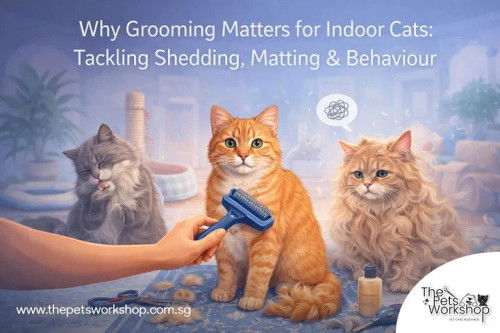
Indoor cats may not roam the outdoors, but they still require regular care to stay healthy, comfortable, and happy. Among the most important aspects of maintaining a cat’s well-being is cat grooming Singapore. While some pet owners may assume that indoor cats groom themselves adequately, professional or at-home grooming plays a critical role in preventing common issues such as excessive shedding, matting, and behavioural problems. Understanding the importance of cat grooming for indoor cats helps pet owners provide the care necessary to maintain a healthy and clean environment. One of the most noticeable challenges faced by indoor cats is shedding. Even though indoor cats are not exposed to the elements, they shed fur regularly. Shedding is a natural process through which cats replace old or damaged hair with new growth. Without proper cat grooming, loose hair accumulates on furniture, bedding, and clothing, creating an unclean environment. Regular brushing helps remove loose hair before it spreads throughout the home. By addressing shedding through cat grooming Singapore, pet owners can maintain a cleaner household and reduce the amount of fur inhaled or ingested by the cat. Ingested hair can lead to hairballs, which are a common health concern in cats. Cats groom themselves by licking their fur, inadvertently swallowing loose hairs. Over time, this hair can form hairballs in the digestive tract, which may cause vomiting, discomfort, or more serious gastrointestinal issues. Regular cat grooming significantly reduces the amount of loose hair ingested, preventing hairballs and promoting better digestive health. Indoor cats that receive consistent grooming are less likely to experience digestive complications associated with excessive hair intake. Matting is another critical reason why cat grooming is essential. Indoor cats, particularly those with long or thick fur, are prone to tangles and mats if their coats are not regularly maintained. Mats form when fur becomes tangled and compressed, often around areas such as the underarms, belly, and behind the ears. Mats are uncomfortable for cats and can restrict movement, irritate the skin, and even lead to infections if left untreated. Cat grooming Singapore breaks up these tangles before they become severe, using combs and brushes designed for a cat’s coat type. Regular grooming prevents painful mats and ensures the cat’s fur remains smooth and healthy. Beyond physical benefits, cat grooming has a significant impact on behaviour and mental well-being. Cats may become stressed or anxious if their fur is uncomfortable or itchy due to shedding or matting. Regular grooming provides a calming experience, allowing cats to feel comfortable in their own skin. The grooming process itself, when done gently and consistently, can strengthen the bond between the cat and its owner. Cats become accustomed to handling, reducing anxiety during vet visits or other situations where they are touched. This behavioural benefit is often overlooked, but cat grooming can play a major role in a cat’s emotional health. Indoor cats may also develop skin issues if not groomed properly. Even with a controlled indoor environment, dirt, dust, and dander can accumulate on the fur and skin. Regular brushing removes these particles and stimulates the skin’s natural oils, promoting a healthy, shiny coat. Cat grooming Singapore supports skin health by preventing dryness, irritation, or excessive oil buildup. Additionally, during grooming, owners can monitor the cat for abnormalities such as lumps, bumps, or signs of parasites. Early detection of skin issues can prevent minor problems from becoming serious health concerns. Certain breeds of indoor cats require more attention due to their specific coat types. Long-haired breeds, such as Persians or Maine Coons, are more prone to matting and tangles, making cat grooming a necessity rather than an optional activity. Short-haired cats also benefit from regular grooming, as it reduces shedding and allows owners to inspect the skin for signs of irritation or parasites. Regardless of breed, establishing a consistent grooming routine ensures that indoor cats remain healthy and comfortable. Become a member Another important aspect of cat grooming is nail care. Indoor cats may not wear down their claws naturally, leading to overgrowth or curling that can cause pain or injury. Trimming nails during grooming sessions prevents damage to furniture and reduces the risk of accidental scratches to humans or other pets. Grooming sessions that include nail care also teach cats to tolerate handling, which is valuable for medical checkups or emergency situations. Oral hygiene is another factor often integrated into comprehensive cat grooming routines. While brushing a cat’s teeth may not be feasible for every pet owner, including oral care in grooming routines can prevent dental problems such as plaque buildup, gingivitis, and bad breath. Cat grooming Singapore is therefore not limited to fur management; it extends to a holistic approach to a cat’s health, encompassing nails, skin, and oral care. Consistency in cat grooming routines is key. Establishing a schedule tailored to the cat’s coat type and behaviour ensures optimal results. Short-haired cats may require weekly grooming, while long-haired cats often need multiple sessions per week. Consistent grooming also allows cats to become familiar with the process, reducing resistance and stress. For indoor cats that are not accustomed to frequent handling, gradual introduction to grooming sessions helps create positive associations and encourages cooperation. The psychological benefits of cat grooming cannot be overstated. Cats that are regularly groomed are less likely to engage in excessive self-grooming behaviours that can lead to hair loss or skin damage. Grooming provides an outlet for natural instincts, allowing cats to feel secure and well-cared-for. Additionally, grooming sessions offer owners the opportunity to observe behavioural changes, such as increased anxiety, lethargy, or aggression, which may indicate underlying health issues. Early detection and intervention improve the cat’s overall quality of life. Indoor cats are also susceptible to environmental allergens, which can affect both their comfort and health. Dust, pollen, and other particles can settle on fur, causing irritation or allergic reactions. Regular cat grooming removes these allergens, creating a cleaner environment for both the cat and its human family members. By addressing environmental factors, grooming contributes to a healthier living space, reducing sneezing, itching, or respiratory issues. Cat grooming Singapore also supports shedding management during seasonal changes. Many cats shed more heavily during spring and fall, replacing old coats with new growth. Without regular grooming, this seasonal shedding can create fur buildup around the home and increase the risk of hairballs. Grooming helps control shedding by removing loose fur before it accumulates, keeping the indoor environment cleaner and reducing the maintenance burden on owners. Finally, cat grooming encourages responsible pet ownership. Regular attention to a cat’s coat, nails, and skin demonstrates care and commitment to the pet’s well-being. Indoor cats rely on humans for their grooming needs, as they may not encounter the same environmental challenges as outdoor cats but still require support for a healthy coat. Investing time in cat grooming fosters trust between the cat and owner and ensures that the cat’s physical and emotional needs are met consistently. Cat grooming Singapore is a vital aspect of caring for indoor cats. It addresses multiple issues, including shedding, matting, and behaviour, while also promoting skin health, nail care, and overall well-being. Regular grooming reduces the risk of hairballs, keeps fur clean and smooth, and provides an opportunity to monitor for health issues. Indoor cats, whether short-haired or long-haired, benefit immensely from consistent and gentle grooming routines. Beyond physical benefits, cat grooming positively impacts behaviour and strengthens the bond between cat and owner. For indoor cats, grooming is not merely a cosmetic activity; it is an essential practice that contributes to comfort, health, and happiness. Pet owners who prioritize cat grooming create a safer, cleaner, and more nurturing environment, ensuring that their feline companions enjoy a high quality of life while thriving in an indoor setting. Pop over here :https://www.thepetsworkshop.com.sg/
Read more